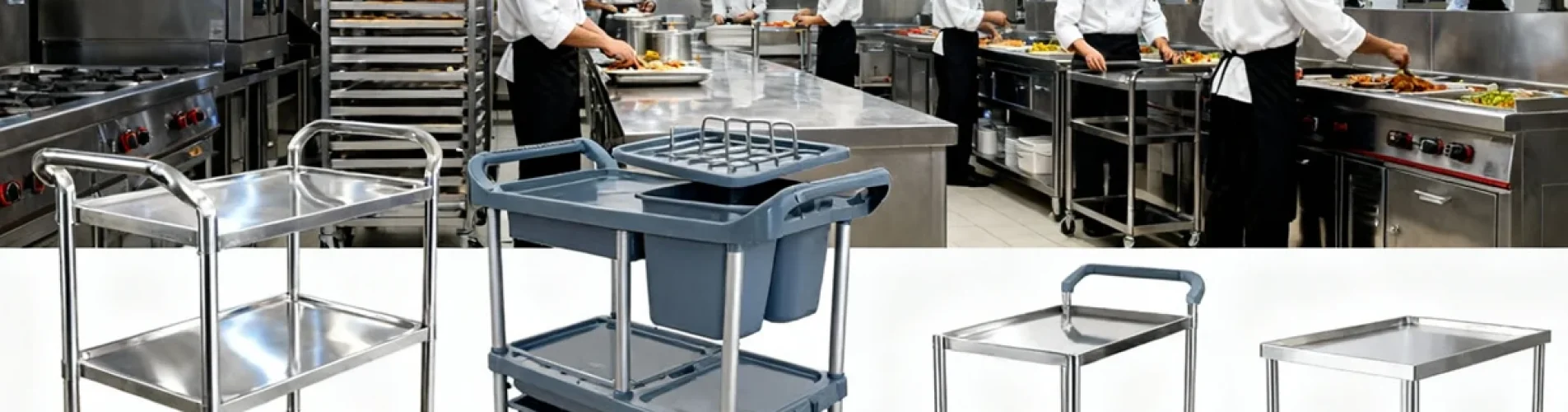
Every restaurant knows the challenge of keeping service flowing smoothly while maintaining a clean, professional dining room. The right restaurant bussing carts can transform your operation, making table turnover faster and service more efficient. A quality busser cart isn’t just another piece of equipment—it’s an essential tool that protects your dishes, saves your staff valuable time, and keeps your dining room looking pristine even during the busiest dinner rushes. This comprehensive buying guide will help you choose the perfect bussing carts for your restaurant’s unique needs, from understanding different cart types to selecting the right features and maintaining your investment for years to come.
Key Takeaways
- Choose the Right Cart Type for Your Operation: Restaurant style bussing carts come in various configurations including plastic utility carts, stainless steel models, and enclosed designs. Match your cart to your service style—plastic carts offer quiet operation for upscale dining, while metal models provide maximum durability for high-volume operations.
- Prioritize Mobility and Stability: Mobile bussing cart performance depends heavily on caster quality. Look for models with four swivel casters (typically with two brakes) that provide smooth maneuverability while maintaining stability. A choice 4 swivel caster for bussing and utility carts no brake option works well for the non-locking wheels, ensuring easy movement in tight spaces.
- Invest in Durable, Easy-to-Clean Materials: Whether you select plastic or metal, choose food-safe construction that withstands daily sanitizing. Quality bussing carts for food service should feature smooth surfaces, proper drainage, and materials that resist staining and odors to maintain health code compliance.
What Are Bussing Carts?
A bus cart is a specialized mobile unit designed to transport dirty dishes, glassware, flatware, and cleaning supplies efficiently from the dining room to the dishwashing area. Unlike standard utility bussing carts that serve multiple purposes, restaurant bussing carts are specifically engineered for table clearing and turnover operations. These essential tools help your staff move large quantities of tableware in a single trip, dramatically reducing the time it takes to reset tables for new guests.
The primary purpose of a busser cart goes beyond simple transportation. A well-designed bus cart protects your investment in dishes and glassware by providing stable shelving that minimizes breakage during transport. It also improves workplace safety by eliminating the need for staff to carry heavy, precarious loads of dishes by hand. Most importantly, quality bussing carts help maintain your restaurant’s professional appearance by discreetly moving soiled items away from guest view, contributing to a cleaner, more organized dining environment.
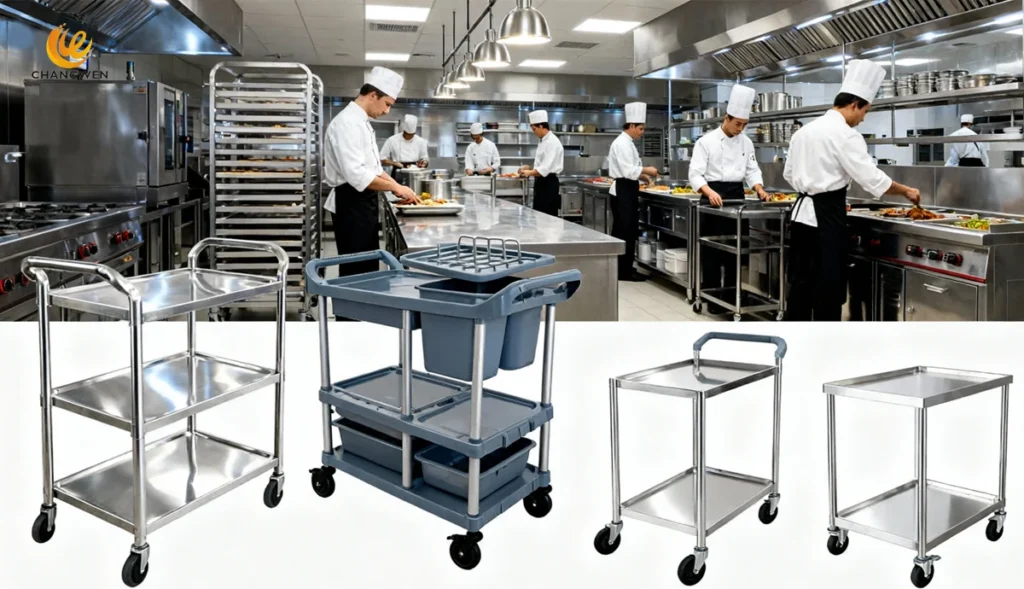
Bussing Cart vs Service Cart
While the terms are sometimes used interchangeably, bussing carts and service carts serve distinctly different purposes in food service operations. Understanding these differences helps you select the right equipment for specific tasks and maintain proper sanitation protocols.
Bussing carts are purpose-built for handling soiled dishes, waste, and used tableware. They typically feature deep shelves or bins with raised edges to contain spills and food debris during transport. The design prioritizes easy cleaning with smooth, non-porous surfaces that can be thoroughly sanitized after each shift. Many models include waste bin holders or compartments specifically for separating trash from dishes, and their construction materials are selected for durability when exposed to food waste and frequent washing.
Service carts, by contrast, are designed for transporting clean items such as fresh food, beverages, condiments, and serving equipment. These carts often have more refined aesthetic features since they may be used in front-of-house applications where guests can see them. Service carts might include features like side panels for warming equipment, specialized racks for wine bottles, or presentation-focused design elements. The critical distinction is that service carts should never be used for bussing dirty dishes, as this creates serious cross-contamination risks. Best practice in professional operations is to maintain separate, clearly designated carts for each function to ensure food safety and comply with health regulations.
The Benefits of Quality Bussing Carts
Investing in professional-grade restaurant bussing carts delivers immediate and long-term benefits for your operation. First, they dramatically increase your team’s efficiency during peak service hours. A single trip with a three-shelf cart can replace four or five trips carrying items by hand, allowing your bussers to clear and reset tables much faster. This improved table turnover directly impacts your bottom line by allowing you to serve more guests during your busiest shifts.
Quality mobile bussing cart models also contribute to better employee satisfaction and reduced injury rates. Pushing a well-balanced cart is far easier on your staff’s backs and joints than carrying heavy bus tubs repeatedly throughout a shift. This ergonomic advantage leads to fewer workplace injuries and helps retain your experienced staff members. Additionally, professional bussing carts create a cleaner, more organized dining room by keeping dirty dishes contained and hidden from guests, which enhances the overall dining experience and encourages repeat business.
Understanding Different Types of Bussing Carts
The world of bussing carts offers several distinct categories, each designed for specific restaurant environments and service styles. Understanding these differences will help you select the model that best fits your operation’s unique workflow and aesthetic requirements.
Plastic Utility Bussing Carts
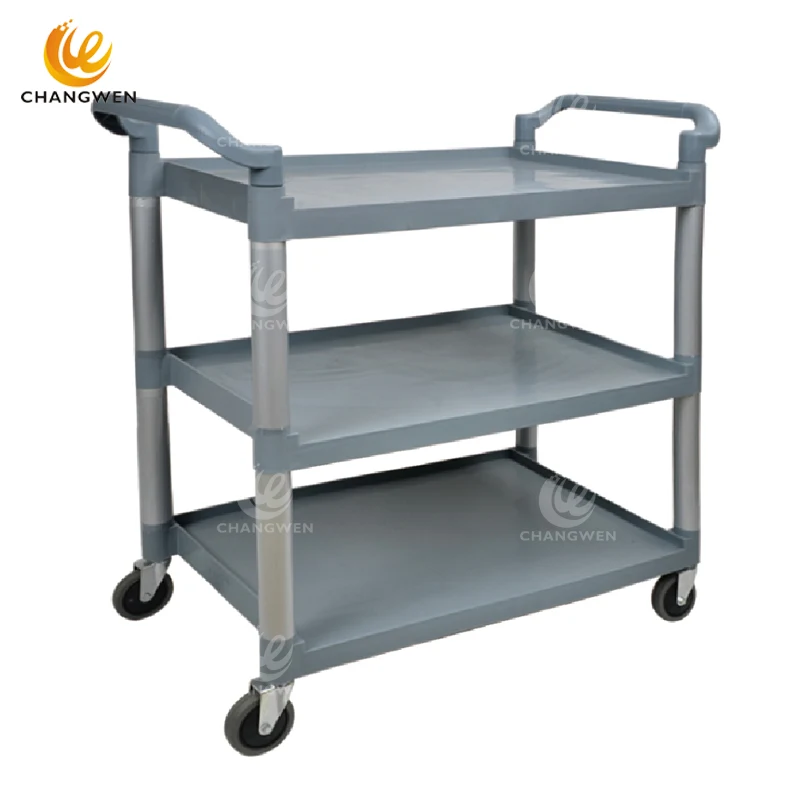
Plastic or polymer bussing carts represent the most popular choice for restaurants prioritizing quiet operation and front-of-house use. These utility bussing carts are constructed from heavy-duty, food-grade plastic that can withstand daily washing and sanitizing. The primary advantage of plastic models is their exceptionally quiet operation—the polymer material doesn’t create the clanking or rattling sounds that metal carts can produce, making them ideal for upscale dining rooms where ambient noise must be minimized.
Modern plastic bussing carts for food service typically feature deep shelves with raised edges to prevent dishes from sliding off during transport. Many models include integrated handles on both ends for easy pushing or pulling from either direction. The non-porous plastic surface resists staining and won’t absorb odors, making these carts easier to maintain sanitary standards. Weight capacity typically ranges from 300 to 500 pounds, sufficient for most restaurant operations. However, plastic carts can become brittle over time, especially when exposed to very hot water during cleaning, so they may need replacement sooner than metal alternatives.
Stainless Steel and Metal Bussing Carts
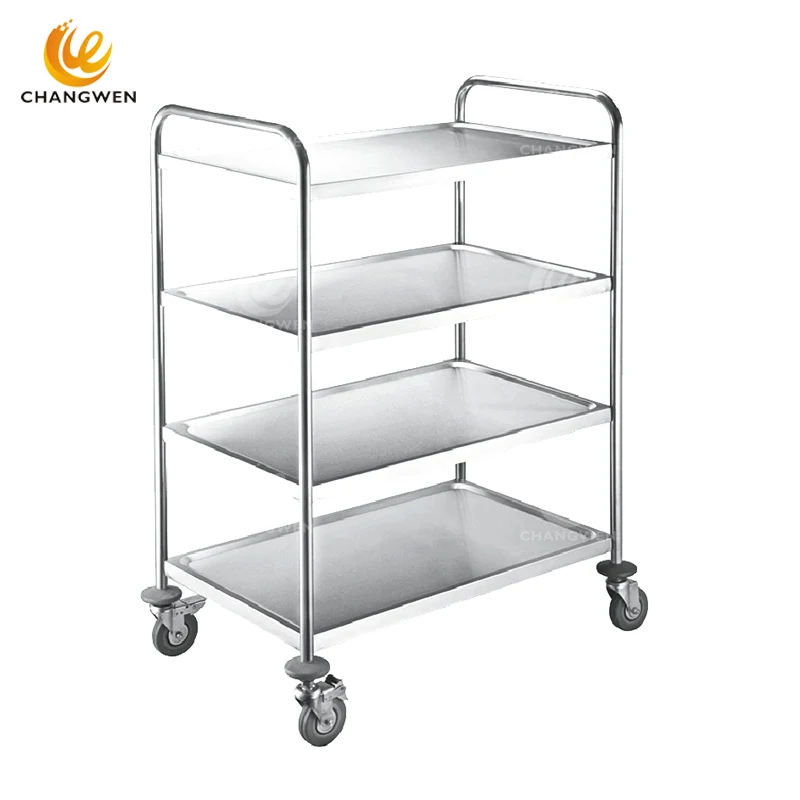
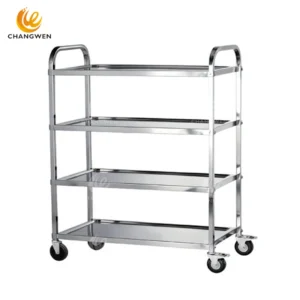
Restaurant style bussing carts constructed from stainless steel or aluminum deliver maximum durability and professional appearance. These metal models are built to withstand the most demanding commercial environments, including high-volume restaurants, hotels, and institutional foodservice operations. Stainless steel construction provides exceptional strength, with many models supporting 400 to 700 pounds across multiple shelves.
The all-welded construction of quality metal bus carts ensures structural integrity that lasts for decades with proper care. Stainless steel naturally resists corrosion and stands up to aggressive cleaning chemicals, making it easy to maintain sanitary conditions. The sleek, professional appearance of polished stainless steel complements upscale dining environments and meets the aesthetic standards of luxury hotels and fine dining establishments. The main considerations with metal carts are their higher initial cost and the potential for increased noise during operation, though many premium models include features like bumper guards and non-marking casters to minimize these concerns.
Enclosed vs. Open Bussing Carts
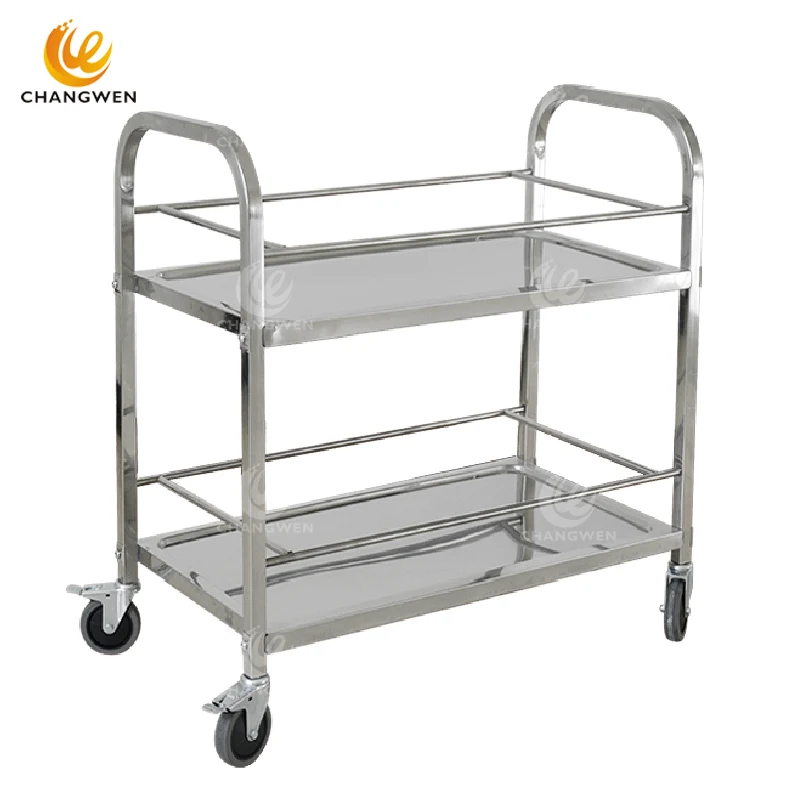
The choice between enclosed and open restaurant bussing carts significantly impacts your dining room’s appearance and your operation’s efficiency. Enclosed bussing carts feature side panels or doors that hide dirty dishes from guest view, creating a more polished, professional appearance in your dining room. These models often include attractive finishes like wood grain laminate or colored panels that blend with your décor, making them particularly popular in upscale restaurants where every detail contributes to the overall ambiance.
Open utility bussing carts, by contrast, feature exposed shelving that allows staff to access items from any side. This design makes loading and unloading faster and easier, particularly during busy service periods when seconds count. Open models also provide better visibility of the cart’s contents, helping staff quickly assess what needs to be unloaded at the dishwashing station. However, the exposed dishes are visible to guests, which may not suit every restaurant’s aesthetic standards. Many operations find that open carts work perfectly well in back-of-house applications or in casual dining environments where the focus is on efficiency rather than formal presentation.
Bussing Carts with Bins or Trays
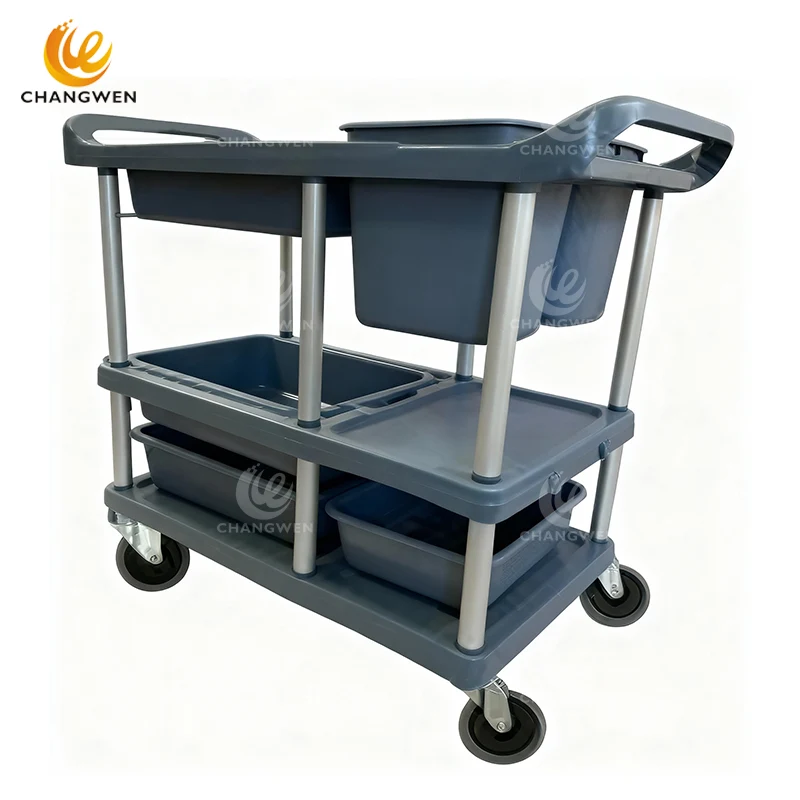
Specialized bussing cart with bins configurations represent an increasingly popular solution for operations seeking maximum organization and efficiency. These models feature built-in compartments, removable bins, or tray holders that allow staff to sort items during the clearing process rather than creating additional work at the dishwashing station.
Common configurations include models with separate bins for silverware, glassware, and dishes, allowing your team to pre-sort as they clear tables. Some designs incorporate waste bin holders on one end, enabling staff to scrape plates directly into trash receptacles while loading the cart. This pre-sorting significantly reduces processing time in the dish room and helps prevent breakage by keeping different item types separated during transport.
The bin or tray system also improves sanitation by containing food waste in designated areas rather than allowing it to spread across all shelves. Many models use color-coded or labeled bins to help staff quickly identify where different items should be placed, which is particularly valuable for training new employees. The removable bins make end-of-shift cleaning easier, as they can be taken out and thoroughly washed separately from the main cart structure.
Benefits of Using Bussing Carts in Restaurants
Implementing quality restaurant bussing carts delivers measurable improvements across multiple operational areas, from service speed to staff safety. Understanding these benefits helps justify the investment and ensures you select models that maximize value for your specific operation.
Faster Table Clearing
The most immediate benefit of professional bussing carts is dramatically faster table turnover during service. Without a cart, staff must make multiple trips between the dining room and dish station, carrying precarious armloads of dishes that limit how much can be transported safely. This inefficient process creates bottlenecks during busy periods when tables need to be reset quickly for waiting guests.
A properly sized mobile bussing cart allows a single staff member to clear three to five tables in one trip, consolidating work that would otherwise require ten or more individual journeys. This efficiency gain directly translates to increased revenue potential during peak hours by reducing the time tables sit empty between seatings. For example, a restaurant that can turn tables even five minutes faster during a two-hour dinner rush can potentially serve an additional seating, significantly impacting daily sales.
The organizational structure provided by shelves or bins also speeds up the clearing process itself. Staff can work more systematically, stacking similar items together and sorting as they go rather than creating chaotic piles that must be reorganized later. This systematic approach reduces the time spent at each table and creates a more polished, professional appearance as staff work through the dining room.
Improved Staff Efficiency
Beyond faster clearing, bussing carts improve overall operational efficiency by streamlining the entire dish cycle. When staff can transport larger loads in organized configurations, the dishwashing area receives steady, manageable batches rather than the stop-and-start flow that occurs when items arrive in small, frequent trips. This consistency allows dish room staff to work more efficiently with better rhythm and fewer interruptions.
The use of utility bussing carts also enables better task specialization during busy periods. One team member can focus on clearing and transporting while another concentrates on washing, creating a smoother production flow that processes more dishes per hour. This division of labor wouldn’t be practical or efficient if bussers were making frequent small trips.
From a management perspective, carts help standardize training and create clearer job procedures. New employees can be taught a systematic approach to table clearing and cart loading, ensuring consistency across your team. This standardization reduces training time and helps maintain service quality even when working with less experienced staff. Additionally, the physical presence of well-maintained professional equipment reinforces operational standards and creates pride in doing the job correctly.
Safer Dish and Waste Handling
Workplace safety improvements represent one of the most valuable long-term benefits of quality bussing carts. Carrying heavy loads of dishes by hand creates significant risk for musculoskeletal injuries, particularly to the back, shoulders, and wrists. These repetitive strain injuries develop gradually over time and can lead to workers’ compensation claims, lost workdays, and difficulty retaining experienced staff.
Properly designed mobile bussing cart models with ergonomic handles allow staff to push weight rather than carry it, distributing the load through larger muscle groups and reducing strain on vulnerable joints and connective tissues. The handle height and positioning should allow staff to push while maintaining good posture, keeping the back straight and avoiding the forward lean that occurs when carrying armloads of dishes.
Carts also reduce breakage-related injuries from dropped dishes or shattered glassware. When staff carry precarious loads by hand, drops are inevitable, creating hazards from sharp shards and requiring time-consuming cleanup that disrupts service. The stable, organized storage provided by cart shelves or bins protects items during transport, significantly reducing breakage rates. This not only prevents injuries but also reduces replacement costs for dishes and glassware, with many operations seeing 30 to 50 percent reductions in breakage after implementing proper bussing carts.
The containment features of modern carts, particularly models with bins or enclosed designs, also improve hygiene by preventing food waste and soiled water from dripping onto floors where it could create slip hazards or contaminate clean areas.
Key Features to Look for When Shopping for Bussing Carts
Selecting the right bus cart requires careful attention to several critical features that directly impact the cart’s performance, longevity, and suitability for your specific operation. Let’s examine the most important characteristics to evaluate before making your purchase.
Caster Quality and Mobility
The mobility of any mobile bussing cart depends entirely on the quality of its casters (wheels). Professional-grade bussing carts typically come equipped with four or five-inch swivel casters that provide smooth, easy maneuverability even when fully loaded. The swivel design allows the cart to navigate tight corners and crowded dining rooms with minimal effort from your staff. Most quality models include four swivel casters for maximum mobility, with at least two featuring brake mechanisms for stability when parked.
When evaluating casters, look for models with non-marking wheels that won’t leave black streaks on your floors. Heavy-duty polyurethane or rubber wheels provide excellent traction across various floor types while operating quietly. The choice 4 swivel caster for bussing and utility carts no brake option is commonly used for the non-locking wheels, providing smooth movement without the added cost of brakes on all four corners. However, ensure at least two casters include brakes to prevent the cart from rolling when staff are loading or unloading. Quality casters should be bolted securely to the cart frame rather than simply snapped in, ensuring they can be easily replaced when worn without compromising the entire cart’s integrity.
Weight Capacity and Shelf Configuration
Understanding your bussing cart’s weight capacity is essential for both safety and efficiency. Most restaurant bussing carts feature two or three shelves, with total weight capacities ranging from 300 to 500 pounds for plastic models and up to 700 pounds for heavy-duty metal versions. When calculating your needs, consider not just the weight of dishes but also the weight of full bus tubs, which can add significant load.
Shelf spacing is equally important—look for models with 13 to 15 inches of clearance between shelves. This spacing accommodates standard bus tubs and allows staff to stack plates safely without items from the upper shelf sliding down to the lower level. Some utility bussing carts feature adjustable shelf heights, providing flexibility to accommodate different sized items. Deep-lipped shelves help contain spills and prevent dishes from sliding off during transport, which is particularly important in busy environments where carts may need to be moved quickly. Consider whether two large shelves or three smaller ones better suit your operation’s typical bussing loads.
Material Options: Plastic vs Stainless Steel
The choice between plastic and metal construction represents one of the most significant decisions affecting both performance and budget. Each material offers distinct advantages depending on your operational priorities and service environment.
Plastic utility bussing carts constructed from high-density polyethylene or structural foam provide several compelling benefits. They operate exceptionally quietly, with the polymer material absorbing sound and vibration rather than amplifying it like metal surfaces. This quiet operation makes plastic carts ideal for upscale dining rooms where ambiance is important and noise disruption must be minimized. Modern food-grade plastics resist staining, don’t absorb odors, and can withstand daily exposure to commercial sanitizers without degrading.
The lightweight nature of plastic carts makes them easier for staff to maneuver when empty, though this can be a disadvantage when pushing heavy loads, as the cart itself provides less stability. Plastic construction typically costs 30 to 50 percent less than comparable metal models, making it attractive for budget-conscious operations or when purchasing multiple carts. However, plastic can become brittle over time, particularly when repeatedly exposed to very hot water, and may crack or chip if impacted by heavy equipment or pushed into walls or doorframes.
Stainless steel restaurant style bussing carts represent the premium choice for durability and professional appearance. Stainless steel withstands decades of commercial use without degrading, resists corrosion even with constant exposure to water and cleaning chemicals, and maintains its appearance with proper care. The weight of metal construction provides stability when loaded, preventing tipping even when heavily weighted on one end. All-welded stainless steel construction creates a stronger, more rigid structure compared to bolted plastic assemblies.
The main considerations with stainless steel are higher initial cost and the potential for increased noise during operation, though this primarily affects front-of-house use and can be mitigated with proper caster selection and bumper guards. For operations prioritizing longevity, heavy use environments, or establishments where cart appearance contributes to professional ambiance, stainless steel delivers superior long-term value despite the premium price.
Handle Design and Ergonomics
The handle configuration on your busser cart significantly affects how comfortable and safe it is for your staff to use throughout long shifts. Dual-molded handles allow staff to push or pull the cart from either end, providing flexibility in tight spaces and making the cart easier to maneuver in crowded dining rooms. Vertical push handles, commonly found on metal bussing carts, offer ergonomic benefits by allowing people of different heights to push with proper posture, reducing strain and potential injury.
Some plastic models feature integrated molded-in handles that are part of the cart’s structure rather than separate attachments. While this design provides continuity and durability, ensure the handles are positioned at a comfortable height for your staff. Ergonomic handle design should allow staff to push the cart while maintaining a natural, upright posture rather than bending forward or reaching awkwardly. For operations where carts will be heavily loaded throughout service, consider models with cushioned or textured grip areas that reduce hand fatigue during extended use.
Sanitation and Ease of Cleaning
Since bussing carts for food service are in constant contact with soiled dishes and food waste, they must be designed for thorough, frequent cleaning. Look for carts with smooth, non-porous surfaces that don’t trap food particles or harbor bacteria. Plastic models should feature rounded corners and seamless construction that eliminates hard-to-clean crevices where debris can accumulate.
Some professional bus cart models include integrated drainage systems or sloped shelves that allow water and spills to flow toward drain holes, preventing standing water that could become a breeding ground for bacteria. The cart should be able to withstand daily washing with hot, soapy water and periodic sanitizing with commercial-grade cleaning solutions without degrading or discoloring. Consider whether your cart can be easily disassembled for deep cleaning—some models allow shelves to be removed for thorough washing. NSF (National Sanitation Foundation) certification indicates the cart meets stringent food safety standards, which can be important for passing health inspections and maintaining proper sanitation protocols.
Choosing the Right Size Bussing Cart for Your Restaurant
Selecting the appropriate size for your restaurant bussing carts requires careful consideration of your dining room layout, typical table turnover, and service style. The right size balances capacity with maneuverability, ensuring your staff can move efficiently through your space while carrying adequate loads.
Standard Dimensions and Configurations
Most utility bussing carts fall within standard dimension ranges that have evolved to fit common doorway widths and aisle sizes. Typical lengths range from 33 to 46 inches, widths from 16 to 25 inches, and heights from 33 to 38 inches. A common mid-size configuration measures approximately 40 inches long by 20 inches wide by 37 inches high, which provides good capacity while remaining narrow enough to navigate standard restaurant aisles and doorways comfortably.
Two-shelf bussing carts work well for operations that primarily use large bus tubs or need to transport bulky items like coffee airpots or serving platters. Three-shelf models maximize vertical space and are ideal for high-volume operations where multiple trips to the dish room need to be minimized. The shelf dimensions should accommodate your standard bus tubs with a few inches of clearance on all sides—a shelf measuring 38 by 19 inches, for example, comfortably holds most commercial bus tubs while leaving room to prevent items from sliding off during transport.
Matching Cart Size to Your Operation
Your restaurant’s size, service volume, and layout should guide your cart size selection. Large, high-volume establishments like hotel banquet facilities or institutional dining halls benefit from larger mobile bussing cart models that can transport substantial loads in a single trip. These operations might choose 46-inch carts with three shelves and 500+ pound capacity to minimize trips between dining areas and dishwashing stations that may be quite distant.
Smaller, intimate restaurants or establishments with limited back-of-house space should consider more compact models. A 33-inch cart with two shelves can adequately serve a 50-seat restaurant while remaining easy to store when not in use. Consider your narrowest pathway—if your kitchen entrance or hallways measure only 36 inches wide, you’ll need a cart narrow enough to pass through comfortably even when a staff member is guiding it. Also factor in your storage space when carts are not in use; folding bussing carts offer space-saving benefits for operations with limited storage areas, though they may sacrifice some structural rigidity compared to welded models.
Bussing Carts for Different Applications
Different food service environments have unique operational requirements that make certain cart types and features more suitable than others. Understanding how bussing cart needs vary across industry segments helps you select models optimized for your specific application.
Restaurants and Cafés
Full-service restaurants and cafés typically require mobile bussing cart solutions that balance efficiency with aesthetic considerations, as carts often move through active dining areas where guests can observe operations. The priority is fast table turnover without disrupting ambiance or creating excessive noise.
For upscale or fine dining establishments, enclosed restaurant style bussing carts with attractive finishes provide the best solution. These models hide soiled dishes from guest view while the cart is in transit through the dining room, maintaining the polished atmosphere that guests expect. Quiet-rolling plastic construction or metal carts with sound-dampening features minimize disruption to conversations and ambiance. Moderate capacity carts with two to three shelves typically suffice, as table sizes are smaller and clearing occurs more frequently throughout service.
Casual dining restaurants and cafés often prioritize efficiency and durability over aesthetics, making open utility bussing carts the popular choice. These establishments typically handle higher volumes with faster table turnover, requiring carts that can be loaded and unloaded quickly. Two-shelf configurations work well for most cafés, while busy casual dining restaurants may benefit from three-shelf models or bussing cart with bins configurations that allow pre-sorting during clearing. Durability is paramount given the heavy use, making stainless steel or heavy-duty plastic appropriate material choices.
Hotels and Banquet Halls
Hotels and banquet facilities face unique challenges including large-scale events, long transport distances between banquet spaces and kitchens, and diverse service styles ranging from plated dinners to buffets. These operations typically require larger, more robust heavy duty bussing cart models capable of handling high volumes efficiently.
Banquet operations commonly use three-shelf or even four-shelf carts with substantial weight capacities, as clearing large events involves transporting hundreds of place settings in as few trips as possible. The ability to clear an entire banquet round table (which seats eight to ten guests) onto a single cart significantly speeds breakdown after events. Enclosed designs are popular for hotels where carts may travel through guest areas, hallways, or lobbies where soiled dishes should remain concealed.
The long distances between function spaces and dish rooms in large hotels make wheel quality particularly critical—inferior casters create excessive effort and staff fatigue when pushing loaded carts hundreds of feet multiple times per shift. Six-inch wheels with precision bearings are standard for hotel applications. Some hotels use specialized banquet carts with removable tray racks designed specifically for the standard banquet china and serviceware they use, creating efficiency through specialized equipment matched to specific inventory.
Cafeterias and Food Courts
Cafeterias, food courts, corporate dining facilities, and college dining halls operate with continuous service models rather than discrete meal seatings, creating different cart requirements than traditional restaurants. These high-volume operations process enormous quantities of trays and tableware throughout extended service periods.
The priority in cafeteria environments is pure efficiency and durability, as these carts work continuously through long shifts in environments where aesthetics matter less than throughput. Large capacity models with three shelves and weight capacities of 500 pounds or more are standard. Many cafeterias use specialized bussing cart with bins configurations that include compartments for separating trays, silverware, dishes, and waste during clearing, which streamlines the sorting process and improves dish room efficiency.
Food courts and cafeterias typically have dedicated bussing stations rather than individual table clearing, meaning carts primarily transport accumulated items from collection points to dish rooms. This application benefits from larger wheel sizes (six inches) for easy pushing of heavy loads and may use all-swivel caster configurations for maximum maneuverability in tight back-of-house spaces. Durability is paramount given the constant use and sometimes less-than-gentle handling, making heavy duty bussing cart models with reinforced construction the appropriate choice despite higher cost.
Hospitals and Institutional Kitchens
Healthcare facilities, nursing homes, prisons, and other institutional kitchens have specialized requirements including strict sanitation standards, the need to transport food waste and medical waste separately, and operations that run 24 hours daily. Carts for these environments must meet enhanced regulatory requirements beyond standard foodservice specifications.
Hospital foodservice operations typically require carts with NSF certification confirming they meet stringent sanitation standards. Stainless steel construction is common in healthcare environments due to superior cleanability and compatibility with aggressive medical-grade sanitizers used in these facilities. Smooth, crevice-free designs are essential to prevent bacterial growth, and many hospitals require carts that can be fully broken down for thorough cleaning and inspection.
The separation of medical waste from food waste creates demand for compartmentalized bussing cart with bins models or dual-cart systems that keep waste streams isolated. Some healthcare facilities use color-coded carts (different colors for different floors or wings) to prevent cross-contamination between areas. The 24-hour operation typical in hospitals means carts must be exceptionally durable, as they’ll see use three times daily rather than just during meal periods, accelerating wear and requiring more frequent maintenance.
Institutional kitchens often benefit from standardized cart fleets that allow interchangeable use across different applications. Having consistent equipment simplifies training, maintenance, and parts inventory while providing operational flexibility.
How to Maintain and Care for Your Bussing Carts
Proper maintenance extends the life of your restaurant bussing carts and ensures they remain sanitary, safe, and functional for years of service. Establishing a regular care routine protects your investment and keeps your operation running smoothly.
Daily Cleaning Procedures
Every bussing cart should receive thorough cleaning at the end of each service period. Begin by emptying any remaining items and removing loose debris from all surfaces. Wash the entire cart with hot, soapy water, paying particular attention to corners, shelf edges, and areas where food particles might accumulate. Use a stiff brush to scrub textured surfaces or areas with raised lips that might trap debris.
After washing, rinse the cart completely with clean water to remove all soap residue, then apply a food-safe sanitizing solution according to manufacturer instructions. Allow the sanitizer to air dry rather than wiping it off—this ensures maximum effectiveness. Don’t forget to clean the casters, which can accumulate hair, string, and debris that impairs their movement. Regular removal of this buildup prevents casters from becoming stiff or squeaky. Finally, inspect the cart for damage during each cleaning, checking for cracks in plastic, loose bolts, or worn casters that need attention before they become serious problems.
Long-Term Maintenance and Repairs
Beyond daily cleaning, utility bussing carts require periodic maintenance to remain in optimal condition. For plastic carts, inspect for cracks or stress points where the material has become brittle, particularly around handle attachments and shelf supports. Minor cracks can sometimes be repaired, but extensive damage typically requires cart replacement to ensure safety.
Metal restaurant style bussing carts need periodic inspection for rust spots, especially at welds and areas where protective coatings may have been chipped or scratched. Address small rust spots immediately by cleaning the area thoroughly and applying food-safe touch-up paint or coating to prevent spreading. Tighten any loose bolts or fasteners as part of your regular maintenance routine—the vibration and impact of daily use can cause these to work loose over time.
Caster replacement is the most common repair for any mobile bussing cart. When wheels become worn, cracked, or fail to swivel smoothly, replace them promptly. Most quality carts use standard caster sizes like the choice 4 swivel caster for bussing and utility carts, making replacements readily available and affordable. Keep spare casters in your maintenance inventory so repairs can be completed quickly without taking carts out of service for extended periods. Regularly lubricate caster swivel points with food-safe lubricant to ensure smooth operation and prevent premature wear.
Common Mistakes to Avoid When Buying Bussing Carts
Learning from others’ purchasing errors can save your restaurant significant money and frustration. Here are the most common pitfalls to avoid when selecting bussing carts for your operation.
Choosing Size Over Maneuverability
The biggest mistake restaurants make is purchasing the largest busser cart they can afford without considering whether it will actually fit their space. An oversized cart that barely squeezes through your dining room aisles or kitchen entrance creates constant frustration for staff and increases the risk of bumping into guests or furniture. Before purchasing, measure your narrowest pathways, including the kitchen entrance, hallways, and the space between table rows in your dining room. Select a cart that can navigate these areas comfortably with several inches of clearance on each side.
Similarly, don’t assume more shelves always equals better efficiency. A three-shelf cart that’s too tall to fit under your dish station counter or that requires staff to reach uncomfortably high to load the top shelf actually reduces efficiency rather than improving it. Consider your staff’s average height and strength when evaluating cart capacity—a cart that’s theoretically capable of holding 500 pounds does your operation no good if it’s too heavy for your team to push safely when fully loaded.
Neglecting Caster Quality
Many restaurant operators focus on cart frame quality while overlooking the casters, which are arguably the most critical component for long-term satisfaction. Cheap casters fail quickly, become stiff and difficult to turn, and may damage your floors with marking or excessive noise. Quality swivel casters cost more initially but provide years of smooth, quiet operation that makes staff more efficient and reduces workplace fatigue.
When evaluating casters, ensure your mobile bussing cart includes at least two locking casters for stability when loading. The choice 4 swivel caster for bussing and utility carts no brake option works well for the non-locking positions, but don’t skimp on brake quality for the locking wheels—weak brakes that don’t hold firmly create safety hazards when carts roll unexpectedly. Verify that replacement casters are readily available; some proprietary caster designs force you to purchase expensive replacements only from the original manufacturer, while standard sizes can be replaced economically from multiple suppliers.
Ignoring Cleaning and Maintenance Requirements
A cart that’s difficult to clean will never stay properly sanitized, regardless of your staff’s diligence. Avoid models with excessive crevices, tight corners, or rough surfaces where food particles can become trapped. Similarly, carts with complex assemblies that require disassembly for thorough cleaning add unnecessary labor to your closing procedures, making it more likely staff will cut corners on proper sanitation.
Before purchasing, consider the cart’s compatibility with your existing cleaning procedures and chemicals. Some plastic materials degrade when exposed to certain sanitizers, while others discolor or become brittle with repeated exposure to very hot water. Ask manufacturers about chemical compatibility and temperature tolerances to ensure the cart you choose can withstand your specific cleaning protocols. For operations requiring the highest sanitation standards, prioritize carts with NSF certification, which confirms the design meets strict food safety standards and can be properly cleaned and sanitized.
Frequently Asked Questions About Bussing Carts
What’s the difference between a bussing cart and a utility cart?
While the terms are often used interchangeably, bussing carts are specifically designed for clearing tables and transporting dirty dishes in foodservice operations. They typically feature deep-lipped shelves to contain spills and may include enclosed sides for a more polished appearance in dining rooms. Utility carts are more general-purpose tools used throughout restaurants, hotels, and other facilities for transporting various supplies, equipment, or inventory. Most restaurant bussing carts can function as utility carts, but not all utility carts are suitable for bussing duties—especially those lacking adequate capacity or sanitary design features for handling soiled dishes.
How many casters should have brakes on a bussing cart?
Industry standard for most restaurant bussing carts includes four swivel casters total, with two featuring brake mechanisms. This configuration provides the ideal balance between mobility and stability. The two locking casters prevent the cart from rolling when staff are loading or unloading, which is particularly important when the cart is positioned on a slight incline or when heavy items are being placed on shelves. The two non-locking casters, often using a choice 4 swivel caster for bussing and utility carts no brake design, reduce costs while maintaining excellent maneuverability. Some specialized carts may use all locking casters, but this is typically unnecessary for standard foodservice applications and adds cost without significant benefit.
Can I use the same cart for food service and bussing?
While it’s technically possible to use utility bussing carts for both clean food service and dirty dish transport, it’s not recommended from a sanitation standpoint. Cross-contamination is a serious concern in foodservice operations. A cart used to transport soiled dishes may harbor bacteria even after cleaning, which could contaminate clean food if the same cart is used for service. Best practice is to dedicate specific carts to specific tasks—use certain carts exclusively for bussing dirty dishes and others exclusively for transporting clean food, equipment, or supplies. Color-coding or labeling carts clearly helps prevent staff from accidentally mixing their uses during busy service periods.
How often should I replace the casters on my bussing cart?
Caster replacement frequency depends on usage intensity and floor surface conditions, but most commercial operations should plan to inspect casters quarterly and replace them every 12 to 24 months. High-volume restaurants running multiple services daily may need more frequent replacement, while lower-volume operations might extend this timeline. Signs that casters need replacement include difficulty swiveling, visible cracks or flat spots in the wheels, excessive noise during operation, or wheels that leave marks on floors. Don’t wait until casters fail completely—worn casters make the cart harder to push, increasing staff fatigue and reducing efficiency. Keeping spare casters in inventory allows quick replacement and minimizes downtime.
What’s the best material for bussing carts in upscale dining?
For upscale or fine dining restaurants where ambiance and noise levels are critical, high-quality plastic utility bussing carts often provide the best solution. Premium polymer carts offer significantly quieter operation than metal alternatives, which is essential when carts must move through active dining areas. However, many upscale establishments prefer enclosed restaurant style bussing carts with attractive finishes like wood grain laminate panels or colored vinyl that complement their décor. These enclosed designs, available in both plastic and metal versions, hide dirty dishes from guest view while maintaining professional appearance. For back-of-house use only, stainless steel carts deliver maximum durability and professional appearance, though the aesthetic advantage matters less when guests won’t see them.
Do I need different sized carts for different areas of my restaurant?
Many operations benefit from having multiple cart sizes to suit different tasks and spaces. A large three-shelf mobile bussing cart works perfectly for clearing the main dining room during busy dinner service, while a smaller two-shelf cart might be better suited for clearing the bar area or patio where space is limited. Compact carts also excel in catering situations or for clearing small private dining rooms. However, don’t over-complicate your inventory—standardizing on one primary cart size for most of your operation makes staff training easier, simplifies maintenance, and allows carts to be used interchangeably. Add specialized sizes only when you have specific needs that your standard carts can’t efficiently address.
Conclusion
Selecting the right restaurant bussing carts is a strategic investment that impacts your operation’s efficiency, your staff’s wellbeing, and your guests’ dining experience. Quality bussing carts for food service provide years of reliable performance when chosen carefully and maintained properly. Whether you opt for quiet plastic utility bussing carts for front-of-house elegance or durable metal restaurant style bussing carts for maximum longevity, prioritize features that matter most in your specific operation: smooth-rolling casters, adequate capacity, easy cleaning, and construction that withstands the demands of commercial foodservice.
Remember that the best busser cart for your restaurant balances capacity with maneuverability, durability with budget, and functionality with aesthetic appeal. Take time to evaluate your specific needs, measure your space carefully, and invest in quality components—especially casters, which make the difference between a cart that enhances productivity and one that frustrates your staff. With proper selection and care, professional mobile bussing cart models become indispensable tools that streamline service, protect your dishware investment, and help your team deliver exceptional hospitality shift after shift.