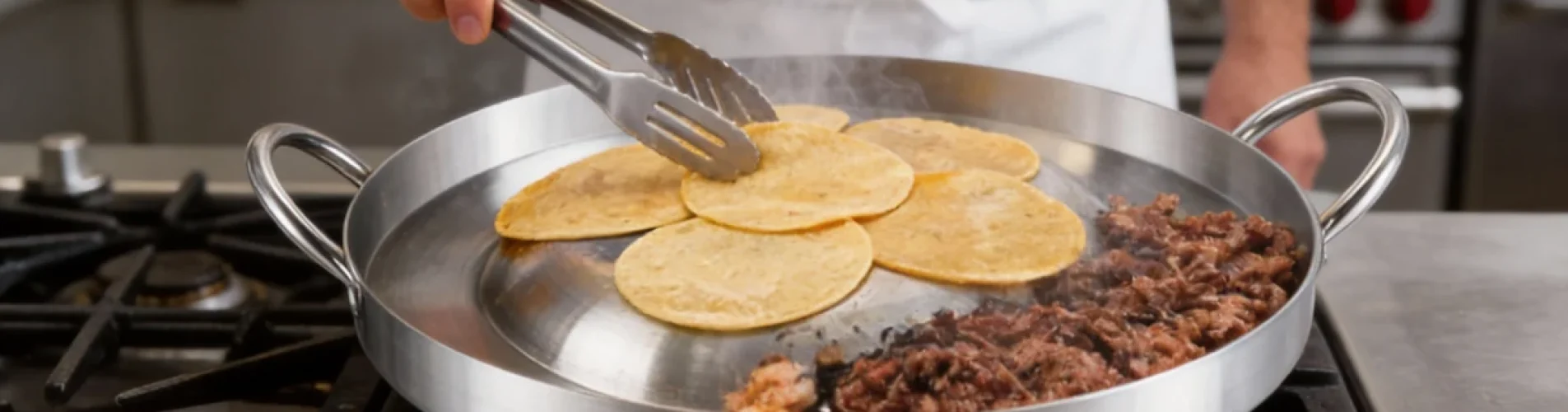
A stainless steel convexed comal is an essential cooking tool for authentic Mexican and Latin American cuisine, featuring a slightly curved cooking surface that allows fats and oils to pool at the edges while keeping tortillas elevated and evenly heated. This versatile cookware has become increasingly popular in both commercial kitchens and home settings for its durability, heat distribution, and ability to produce perfectly cooked tortillas, quesadillas, and other flatbreads.
Key Takeaways
- Convex design creates superior heat distribution and prevents tortillas from becoming soggy
- Stainless steel construction offers durability, resistance to corrosion, and easy maintenance
- Ideal for commercial and home use – versatile enough for restaurants and everyday cooking
- Multiple cooking applications beyond tortillas, including searing vegetables, reheating, and toasting
- Size matters – choose based on your cooking volume and stovetop capacity
- Proper seasoning and care extend the lifespan and improve cooking performance
What is a Stainless Steel Convexed Comal?
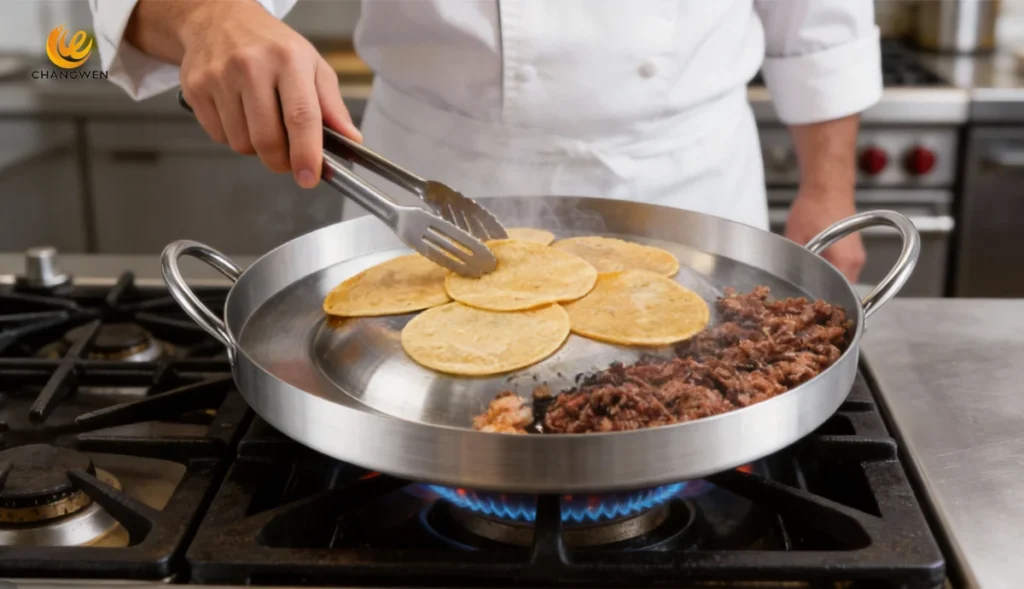
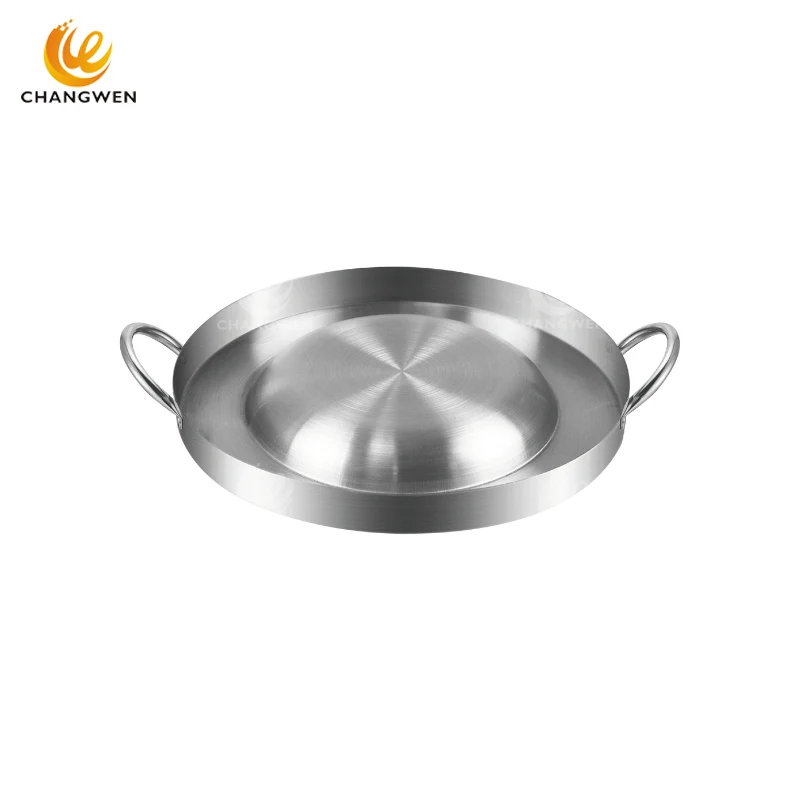
A convexed comal is a traditional cooking surface with a distinctive curved or domed shape, typically measuring between 12 to 36 inches in diameter. Unlike flat comals or griddles, the convex design features a gentle rise in the center that slopes toward the edges. This unique shape serves multiple purposes: it allows excess oil and grease to drain away from the cooking surface, ensures even heat distribution across the entire cooking area, and prevents food from sitting in pools of fat.
The stainless steel construction offers significant advantages over traditional cast iron or carbon steel versions. Stainless steel resists rust and corrosion, requires less maintenance, heats up quickly, and provides a more consistent cooking surface over time. Professional kitchens particularly favor stainless steel for its sanitary properties and ability to withstand the rigors of high-volume cooking.
Benefits of Using a Convexed Comal
Superior Heat Distribution
The convex shape creates a natural heat gradient, with the highest temperature at the center and slightly cooler zones at the edges. This allows you to cook items requiring different heat levels simultaneously, maximizing efficiency in busy kitchen environments.
Healthier Cooking
As fats and oils naturally flow to the edges due to the curved surface, your tortillas and flatbreads cook with minimal grease contact. This results in lighter, less oily finished products that retain their authentic texture without excess fat absorption.
Versatility
While traditionally used for tortillas, a stainless steel convexed comal excels at numerous cooking tasks including roasting peppers and vegetables, toasting spices and nuts, reheating tamales, searing meats, and preparing quesadillas and arepas.
Durability and Longevity
High-quality stainless steel construction ensures your comal will last for years, even decades, with proper care. Unlike cast iron, it won’t crack, chip, or require constant reseasoning to maintain its cooking surface.
Choosing the Right Size Stainless Steel Convexed Comal
Selecting the appropriate size depends on your specific cooking needs and kitchen setup.
For Home Kitchens: A 15 to 20-inch comal typically works well for residential stovetops, allowing you to cook 3 to 4 tortillas simultaneously without overwhelming your burner capacity.
For Small Restaurants or Food Trucks: Consider a 24 to 30-inch comal that can handle higher volume while still fitting on standard commercial ranges.
For High-Volume Commercial Operations: Large 32 to 36-inch comals provide maximum cooking surface area, ideal for busy restaurants specializing in Mexican or Latin American cuisine.
Remember to measure your stovetop or heat source before purchasing to ensure proper fit and heat coverage. An undersized heat source beneath a large comal will create uneven heating and hot spots.
How to Season Your Stainless Steel Convexed Comal
While stainless steel doesn’t require seasoning like cast iron, creating an initial patina can improve its non-stick properties and cooking performance.
- Clean thoroughly – Wash your new comal with warm soapy water to remove any manufacturing residues or protective coatings
- Dry completely – Use a clean towel to remove all moisture, then heat the comal briefly to evaporate any remaining water
- Apply a thin oil layer – Use a high-smoke-point oil such as grapeseed, avocado, or vegetable oil, applying with a paper towel to create a very thin, even coating
- Heat gradually – Place the comal over medium-high heat until the oil begins to smoke lightly, typically 5 to 7 minutes
- Cool and wipe – Allow the comal to cool completely, then wipe away any excess oil with a clean cloth
- Repeat as needed – For best results, repeat this process 2 to 3 times before first use
Proper Care and Maintenance
Daily Cleaning
After each use, allow your comal to cool slightly but clean while still warm for easiest food removal. Use hot water and a soft brush or cloth to remove food particles. For stubborn residue, a small amount of mild dish soap is acceptable. Dry immediately and thoroughly to prevent water spots.
Deep Cleaning
For built-up residue or discoloration, create a paste using baking soda and water. Apply to the surface, let sit for 15 minutes, then scrub gently with a non-abrasive pad. Rinse thoroughly and dry completely.
Storage
Store your comal in a dry location where it won’t be scratched by other cookware. If stacking is necessary, place a cloth or paper towel between items to protect the cooking surface.
What to Avoid
Never use steel wool or harsh abrasive cleaners that can scratch the stainless steel surface. Avoid thermal shock by not placing a hot comal directly into cold water. Don’t leave acidic foods sitting on the surface for extended periods, as this can cause pitting over time.
Cooking Techniques with a Convexed Comal
Perfect Tortillas
Preheat your comal over medium-high heat for 5 to 7 minutes. Place fresh tortillas on the center of the convex surface, cooking for 30 to 45 seconds per side until light brown spots appear. The natural curve keeps tortillas elevated and prevents them from absorbing excess moisture.
Roasting Vegetables and Peppers
The high, dry heat of a convexed comal is ideal for charring vegetables. Place peppers, onions, or tomatoes directly on the hot surface, turning occasionally until the skin blisters and blackens. The sloped design allows juices to run off, promoting better caramelization.
Toasting Spices
The even heat distribution makes a comal perfect for toasting whole spices, dried chiles, and nuts. Spread items in a single layer near the edges where heat is slightly lower, stirring frequently to prevent burning.
Common Issues and Solutions
Uneven Heating
If your comal develops hot spots, ensure your heat source is properly centered and sized for your comal. Consider using a heat diffuser for better distribution on residential gas ranges.
Food Sticking
This typically indicates insufficient preheating or oil. Allow adequate preheating time and use a light coating of oil when necessary, especially when cooking protein-based foods.
Discoloration
Rainbow-colored heat tints are normal and don’t affect performance. To minimize, avoid extremely high heat settings unless necessary for your cooking method.
Commercial vs. Home Use Considerations
Commercial kitchens require heavy-gauge stainless steel comals that can withstand constant high-heat use and frequent cleaning. Look for models with thicker construction and reinforced edges to handle the demands of high-volume production.
Home cooks can opt for lighter-gauge options that heat quickly and are easier to handle and store. Focus on quality construction rather than maximum durability, as residential use is typically less intensive.
Both settings benefit from choosing comals with proper weight distribution that won’t warp under high heat and smooth, seamless construction that prevents food trapping and simplifies cleaning.
Frequently Asked Questions
What’s the difference between a convex and flat comal?
A convex comal features a curved, slightly domed cooking surface that slopes toward the edges, while a flat comal has a completely level surface. The convex design allows oils and fats to drain away from food, promotes better heat circulation, and prevents tortillas from becoming soggy. Flat comals are better suited for tasks requiring a level surface, such as cooking eggs or pancakes.
Can I use a stainless steel convexed comal on an induction cooktop?
This depends on the specific comal construction. Standard stainless steel is not magnetic and won’t work on induction cooktops. However, some manufacturers produce induction-compatible comals with a magnetic stainless steel base or a bonded magnetic layer. Check product specifications carefully before purchasing if you have an induction cooktop.
How do I prevent my comal from warping?
Prevent warping by heating gradually rather than placing directly over high heat, avoiding thermal shock by never exposing hot comals to cold water, choosing heavy-gauge stainless steel construction, and ensuring your heat source is appropriately sized and centered beneath the comal.
Do I need to season a stainless steel comal like cast iron?
No, stainless steel doesn’t require traditional seasoning like cast iron. However, building up a light patina through initial oil treatments can improve non-stick properties. This process is optional and primarily enhances performance rather than being necessary for the comal’s functionality.
How long does a stainless steel convexed comal last?
With proper care, a quality stainless steel convexed comal can last 20 years or more. The durability depends on the gauge of steel, frequency of use, and maintenance practices. Commercial-grade comals in high-volume settings typically last 10 to 15 years, while home-use comals can last a lifetime.
Can I use metal utensils on my stainless steel comal?
Yes, stainless steel is durable enough to handle metal utensils without significant damage. However, using softer materials like wood or silicone can help maintain the surface finish and prevent scratching over time.
What temperature should I use for cooking tortillas?
For optimal tortilla cooking, preheat your comal to medium-high heat, typically around 400 to 450°F. The surface should be hot enough that a drop of water sizzles and evaporates within 2 to 3 seconds. This temperature creates the characteristic brown spots without burning.
Is stainless steel better than cast iron for a comal?
Both materials have advantages. Stainless steel heats more quickly, requires less maintenance, resists rust, and is easier to clean. Cast iron retains heat longer, develops a natural non-stick surface over time, and provides more traditional results. Choose based on your priorities: convenience and ease of care favor stainless steel, while heat retention and traditional cooking favor cast iron.
Can I put my stainless steel comal in the dishwasher?
While stainless steel is technically dishwasher-safe, hand washing is recommended for comals. The high heat and harsh detergents in dishwashers can cause discoloration and may degrade any built-up patina. Hand washing also allows you to inspect the surface for any issues requiring attention.
Why are there rainbow stains on my comal?
Rainbow-colored heat tints are caused by the oxidation of chromium in stainless steel when exposed to high heat. These are completely harmless and don’t affect cooking performance. They’re a normal characteristic of stainless steel cookware used at high temperatures and can be minimized by using moderate heat settings when possible.
Conclusion
A stainless steel convexed comal represents an excellent investment for anyone serious about preparing authentic Mexican and Latin American cuisine. Its unique curved design, combined with the durability and low-maintenance properties of stainless steel, creates a versatile cooking tool that performs well in both commercial and home kitchens.
By choosing the right size, properly caring for your comal, and understanding its optimal cooking techniques, you’ll enjoy years of reliable performance. Whether you’re cooking traditional tortillas, roasting vegetables, or toasting spices, a quality convexed comal delivers consistent results that are difficult to achieve with standard flat griddles or pans.
The initial investment in a well-constructed stainless steel convexed comal pays dividends through its longevity, versatility, and ability to produce restaurant-quality results in your own kitchen.