Introduction
Choosing your first cocktail shaker or upgrading your home bar equipment can feel overwhelming with countless options available—from professional boston cocktail shaker sets to elegant glass cocktail shakers, minimalist french cocktail shakers to decorative vintage designs. Whether you’re searching for the best cocktail shaker for beginners with built-in measurements or a statement-making cocktail shaker set stainless steel for your bar cart, understanding the fundamental differences between shaker types determines both your mixing success and long-term satisfaction.
The cocktail shaker market offers three primary styles: the professional boston cocktail shaker preferred by bartenders worldwide, the beginner-friendly cobbler with integrated strainer, and the sophisticated french cocktail shaker combining elegance with functionality. Beyond style, materials matter significantly—stainless steel cocktail shaker sets provide durability and professional performance, glass cocktail shaker options offer visibility and aesthetic appeal, while specialized crystal cocktail shakers and hammered stainless steel designs add luxury to your mixing experience.
This guide cuts through marketing hype to deliver practical advice on selecting cocktail shakers based on skill level, aesthetic preferences, and functional requirements. You’ll discover which cocktail shaker with strainer design works best for home use, whether cocktail shaker with measurements genuinely helps or hinders mixing, and how to identify quality in everything from cute cocktail shaker designs to professional-grade equipment. Whether you’re drawn to fancy cocktail shaker aesthetics, vintage cocktail shaker charm, or modern glass cocktail shaker set functionality, this guide helps you make informed decisions aligned with your mixing ambitions and budget.
Key Takeaways
- Three main cocktail shaker types dominate the market: Boston (two-piece professional standard), Cobbler (three-piece beginner-friendly), and French/Parisian (two-piece elegant hybrid)—each offering distinct advantages for different skill levels and mixing styles
- Best cocktail shaker for beginners is the Cobbler design with three pieces (base, built-in strainer, cap) providing all-in-one functionality, forgiving seal, and no additional tools required—though professional bartenders prefer Boston shakers for speed and versatility
- Stainless cocktail shaker sets offer superior durability compared to glass or plastic cocktail shaker alternatives, with professional-grade 18/8 or 304 stainless steel providing corrosion resistance, temperature retention, and decades of reliable performance
- Cocktail set boston shaker includes essential bar tools (shaker tins, Hawthorne strainer, jigger) providing complete professional setup for $30-80, while individual premium pieces cost $60-120 but offer superior quality
- Vintage cocktail shaker and art deco cocktail shaker designs feature 1920s-1940s aesthetics with chrome, gold cocktail shaker finishes, or retro cocktail shaker styling, available as authentic antiques ($50-500+) or modern replicas ($25-80) with contemporary functionality
- Crystal cocktail shaker options provide luxury presentation with brilliant clarity and heirloom quality but require careful handling and cost $100-500+, while standard glass or mini cocktail shaker sizes offer practical alternatives
- Personalized cocktail shaker and engraved cocktail shaker gifts feature custom monograms or messages, ideal for weddings and special occasions, with custom cocktail shaker services adding $15-50 to base shaker cost
- How to use a cocktail shaker properly: add ingredients and ice (fill 1/3 to 1/2), seal tightly, shake vigorously 10-15 seconds, break seal carefully, strain into cocktail glasses—technique varies by shaker type (Boston requires practice, Cobbler is beginner-friendly)
Types of Cocktail Shakers
Understanding the three primary cocktail shaker styles—Boston, Cobbler, and French—helps you select equipment matching your skill level and mixing preferences.
Boston Cocktail Shaker
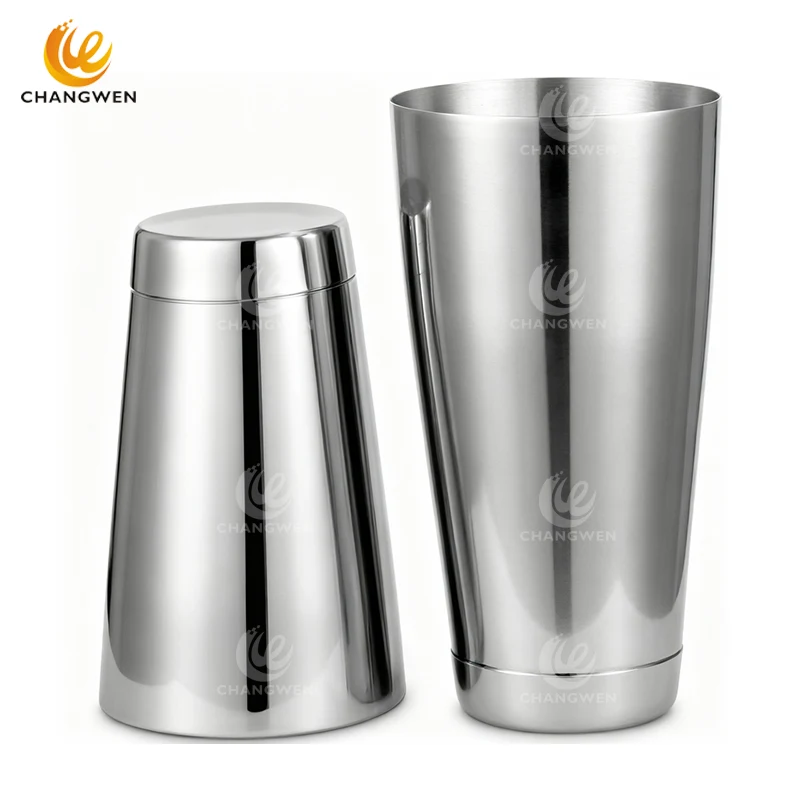
Design: Two-piece system consisting of a large metal tin (28 oz) paired with either a smaller metal tin (18 oz) or mixing glass.
Construction:
- Weighted tin option: Heavier bottom tin for better balance and control
- Unweighted: Standard equal-thickness tins
- Metal-on-metal: Professional standard (both pieces stainless steel)
- Glass-on-metal: Classic design (mixing glass + metal tin)
How It Works: Insert smaller piece into larger piece at slight angle, tap to create vacuum seal, shake vigorously, break seal by tapping at separation point.
Advantages:
- Professional bartender choice (industry standard)
- Fastest for high-volume mixing
- Large capacity (can make 2-3 drinks simultaneously)
- Easy to clean (two simple pieces)
- Durable (no small parts to lose)
- Excellent ice-to-liquid contact
- Never freezes shut
Disadvantages:
- Requires separate strainer (Hawthorne or Julep)
- Learning curve to master seal and separation
- No built-in measurement tools
- Can leak if seal improper
Best For:
- Experienced bartenders
- High-volume home entertaining
- Those wanting professional technique
- Users comfortable with learning curve
Price Range: $15-60 for quality sets
Cobbler Cocktail Shaker (Classic Three-Piece)
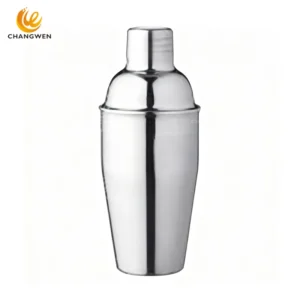
Design: Three components: metal base/tin, built-in strainer lid, small cap (often doubles as measure).
Construction:
- Base: 16-24 oz capacity typically
- Strainer: Perforated lid with small holes
- Cap: Covers strainer during shaking
How It Works: Add ingredients to base, place strainer lid on top, cap with small lid, shake, remove small cap and pour through built-in strainer.
Advantages:
- All-in-one design (no additional tools needed)
- Beginner-friendly (simple to use)
- Built-in strainer included
- Cap often has measurement markings
- Attractive vintage aesthetic
- Forgiving seal (easier than Boston)
Disadvantages:
- Built-in strainer holes too large (ice shards pass through)
- Can freeze shut (difficult to open)
- Three pieces to clean and store
- Smaller capacity than Boston
- Not ideal for egg white drinks (need fine strain)
- Slower for multiple drinks
Best For:
- Complete beginners
- Occasional home use
- Those prioritizing convenience
- Users wanting minimal equipment
- Display on bar carts (attractive design)
Price Range: $12-50 for quality options
French Cocktail Shaker (Parisian Style)
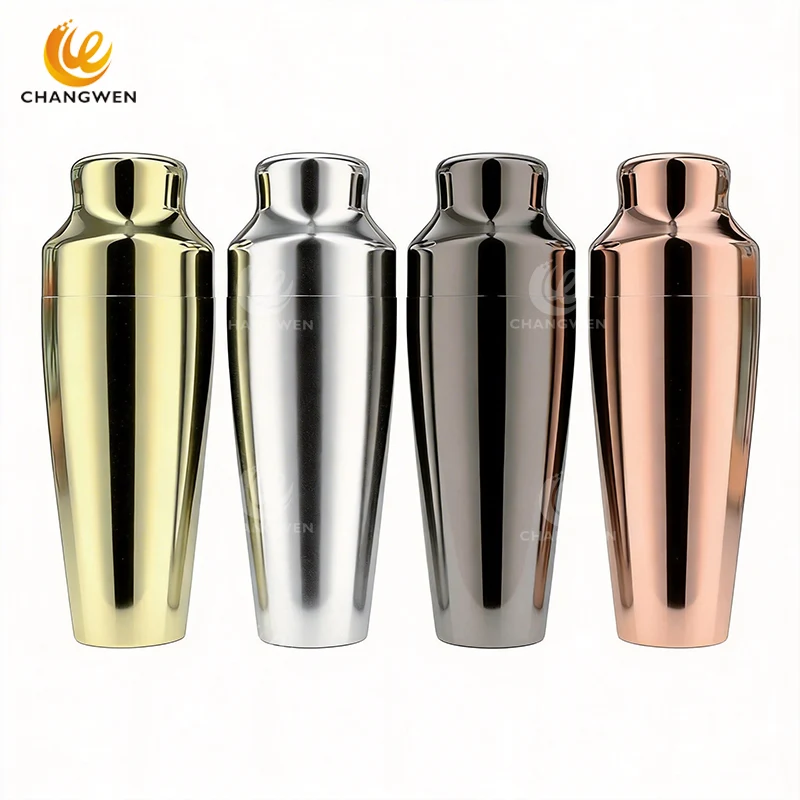
Design: Two-piece all-metal design combining Cobbler elegance with Boston simplicity.
Construction:
- Metal base/tin: 16-28 oz capacity
- Metal cap/lid: Seals tightly without strainer
How It Works: Add ingredients to base, place cap on top (creates seal), shake, remove cap and strain with separate strainer.
Advantages:
- Sleek, elegant aesthetic
- Better seal than Cobbler (sits inside rim)
- Easier to separate than Boston (less technique required)
- Two pieces only (simpler than Cobbler)
- Professional appearance
- Less likely to freeze shut than Cobbler
Disadvantages:
- Requires separate strainer (like Boston)
- Less common (harder to find)
- Can still stick occasionally
- More expensive than Cobbler or Boston
- No built-in measurement tools
Best For:
- Intermediate users
- Those valuing aesthetics
- Users wanting easier Boston alternative
- Bar cart display (beautiful design)
- Entertaining with style
Price Range: $25-80 for quality options
Quick Comparison Table
| Feature | Boston | Cobbler | French |
|---|---|---|---|
| Pieces | 2 | 3 | 2 |
| Built-in Strainer | No | Yes | No |
| Ease of Use | Moderate | Easy | Moderate |
| Capacity | Large (28 oz) | Small-Med (16-24 oz) | Medium (18-28 oz) |
| Speed | Fastest | Slowest | Fast |
| Professional Use | Yes | Rare | Occasional |
| Beginner Friendly | No | Yes | Somewhat |
| Price | $15-60 | $12-50 | $25-80 |
Best Cocktail Shaker for Beginners
Beginners benefit most from equipment that minimizes frustration while building confidence and technique.
Why Cobbler Wins for Beginners
All-in-One Simplicity: No need to purchase separate strainers, jiggers (cap often measures), or additional tools—unbox and start mixing immediately.
Forgiving Design: Unlike Boston shakers requiring precise sealing technique, Cobbler lids sit on top with simple press-fit, making leaks less likely during early attempts.
Immediate Success: Built-in strainer allows pouring directly into glass without learning straining technique or coordinating separate tools.
Lower Initial Investment: Single $15-30 purchase provides complete functionality versus $40-60 for Boston shaker plus strainer and jigger.
Beginner-Friendly Features to Prioritize
1. Built-in Strainer: Essential for beginners avoiding separate tool coordination. Accept that holes are coarse—you can upgrade to fine straining later as skills develop.
2. Capacity Markings: Look for measurement indicators (ounces or milliliters) on the base tin helping you learn standard cocktail proportions without separate jiggers.
3. Weighted Base: Heavier bottom provides stability during shaking and easier handling for users still developing rhythm and technique.
4. Wide Opening: Generous mouth diameter (3+ inches) makes adding ingredients easier, reducing spills during rushed measuring.
5. Textured Grip: Hammered or ridged exterior provides secure hold even with wet hands, preventing embarrassing drops.
6. Clear Instructions: Quality beginner shakers include basic technique guides or recipe suggestions helping you start mixing immediately.
When Beginners Should Choose Boston
Serious Learning Intent: If committed to developing professional technique and willing to practice, starting with Boston builds proper skills from the beginning.
High-Volume Needs: Planning to mix for parties or groups? Boston’s larger capacity justifies the learning curve.
Budget for Complete Kit: If purchasing a cocktail shaker kit including strainer and jigger anyway, Boston becomes equally accessible as Cobbler.
Beginner Mistakes to Avoid
Over-Shaking: Beginners often shake 30-60 seconds when 10-15 seconds suffices, resulting in over-diluted cocktails. Count to 15 slowly.
Under-Filling: Filling shaker less than 1/3 prevents proper mixing. Aim for 1/3 to 1/2 full for optimal agitation.
No Ice: Always use plenty of ice (fill to top after adding ingredients). Ice chills and dilutes to proper balance.
Wrong Straining: Cobbler’s built-in strainer passes ice shards. For smooth cocktails, use tea strainer as second filter (double strain).
Freezing Issues: If Cobbler freezes shut, run warm water over join point briefly—never force or you’ll spill.
Material Guide: Stainless Steel, Glass & Crystal
Material selection affects durability, performance, aesthetics, and maintenance requirements.
Stainless Steel Cocktail Shaker Set
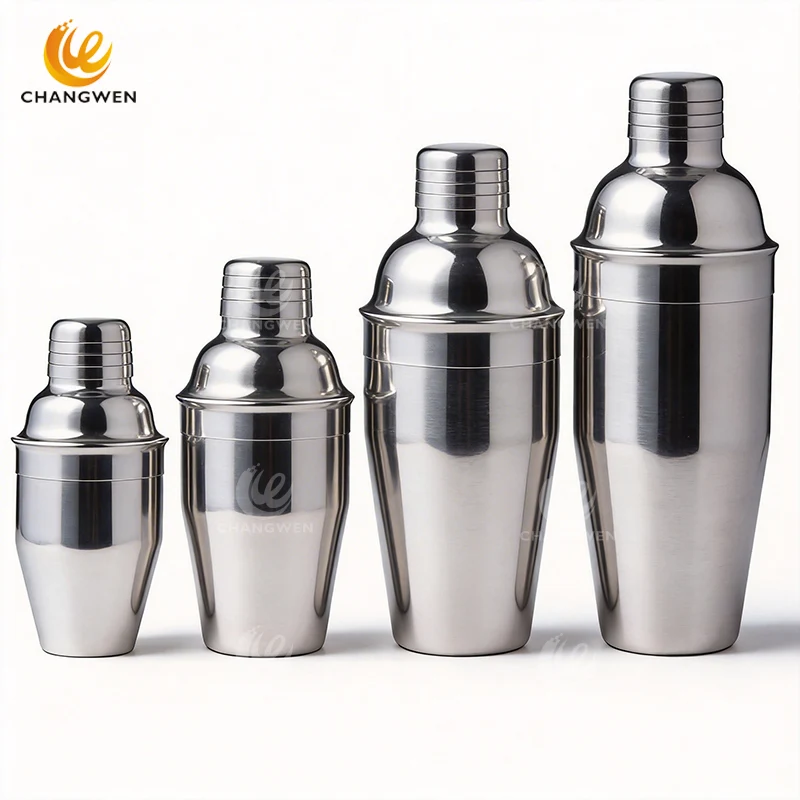
Grades and Quality:
18/8 Stainless Steel (304 Grade):
- Composition: 18% chromium, 8% nickel
- Best balance: Corrosion resistance + durability
- Professional standard
- Price: Mid to premium
18/0 Stainless Steel:
- No nickel content
- Budget-friendly
- Acceptable corrosion resistance
- Less durable long-term
Advantages:
- Excellent temperature retention (keeps drinks cold)
- Corrosion and rust resistant
- Dishwasher safe (though hand wash preferred)
- Durable (lasts decades)
- Professional appearance
- No breakage risk
- Maintains value over time
Disadvantages:
- Cannot see contents while mixing
- Shows fingerprints (polished finish)
- Can dent if dropped on hard surfaces
Best For:
- Professional use
- High-volume mixing
- Long-term investment
- Users wanting durability
Special Finishes:
Hammered Stainless Steel: Artisan hammered texture provides:
- Superior grip (textured surface)
- Hides fingerprints better
- Unique aesthetic appeal
- Slightly higher price (+$10-30)
Gold-Plated Stainless: Luxury finish offering:
- Elegant appearance
- Special occasion use
- Requires gentle cleaning
- Premium pricing (+$30-100)
Glass Cocktail Shaker
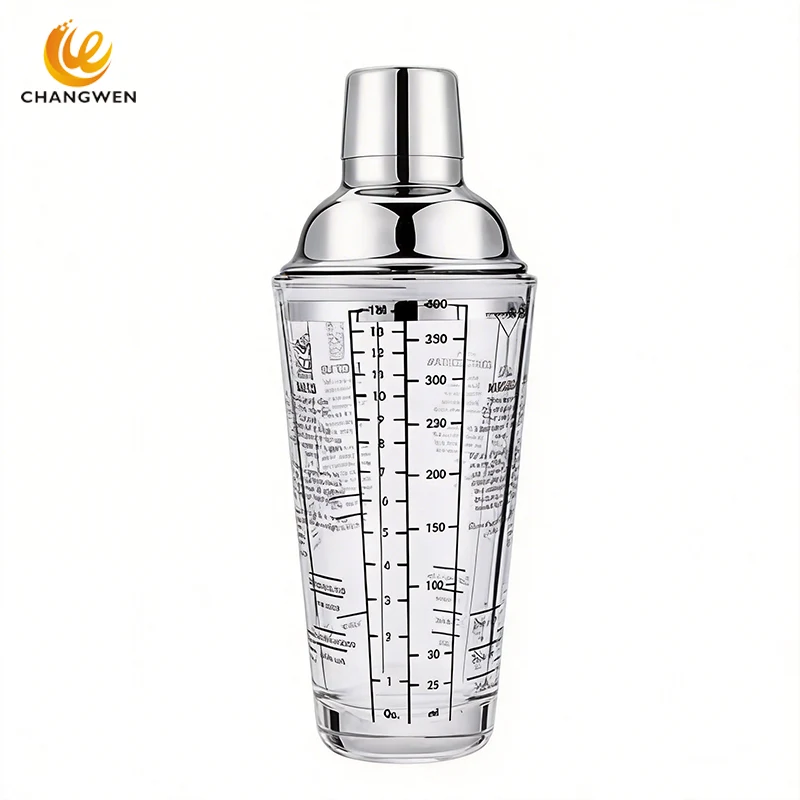
Types:
Standard Glass:
- Soda-lime glass (most common)
- Affordable
- Adequate durability
- Standard temperature resistance
Borosilicate Glass:
- Laboratory-quality glass
- Superior thermal shock resistance
- More expensive
- Professional grade
Advantages:
- See ingredients and ice levels
- Beautiful aesthetic
- Vintage appeal
- No metallic taste concerns
- Easy to clean (dishwasher safe)
Disadvantages:
- Fragile (breaks if dropped)
- Thermal shock risk (crack if ice water hits warm glass)
- Heavier than metal
- Conducts cold to hands
- Not ideal for vigorous shaking
Best For:
- Visual mixing (teaching, demonstrations)
- Gentle cocktails (no hard shaking)
- Vintage aesthetic lovers
- Display pieces
Safety Considerations:
- Always chill glass before adding ice
- Never pour boiling water into cold glass
- Inspect for cracks before each use
- Hand wash to prevent thermal shock
Crystal Cocktail Shaker
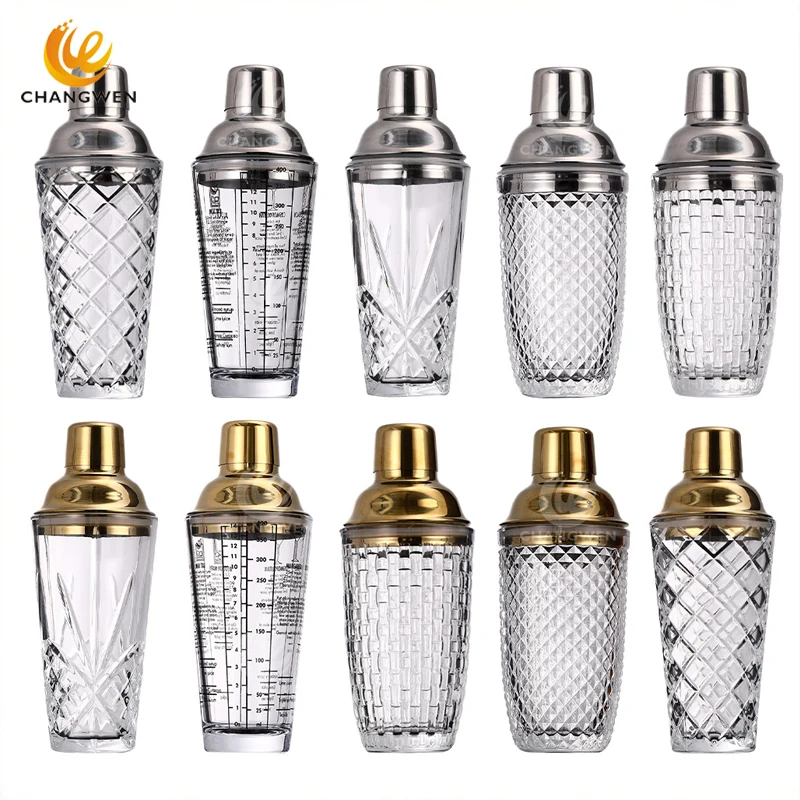
What is Crystal Glass: Lead crystal or lead-free crystal offering:
- Brilliant clarity and sparkle
- Heavier weight (quality feel)
- Superior sound (distinctive ring)
- Luxury presentation
Advantages:
- Exceptional aesthetic appeal
- Heirloom quality
- Impressive gift option
- Special occasion use
- Collector’s item
Disadvantages:
- Very expensive ($100-500+)
- Extremely fragile
- Requires hand washing only
- Not practical for regular use
- Lead crystal requires care (limit exposure time)
Best For:
- Gift giving
- Special occasions only
- Display collections
- Luxury home bars
Vintage Cocktail Shaker
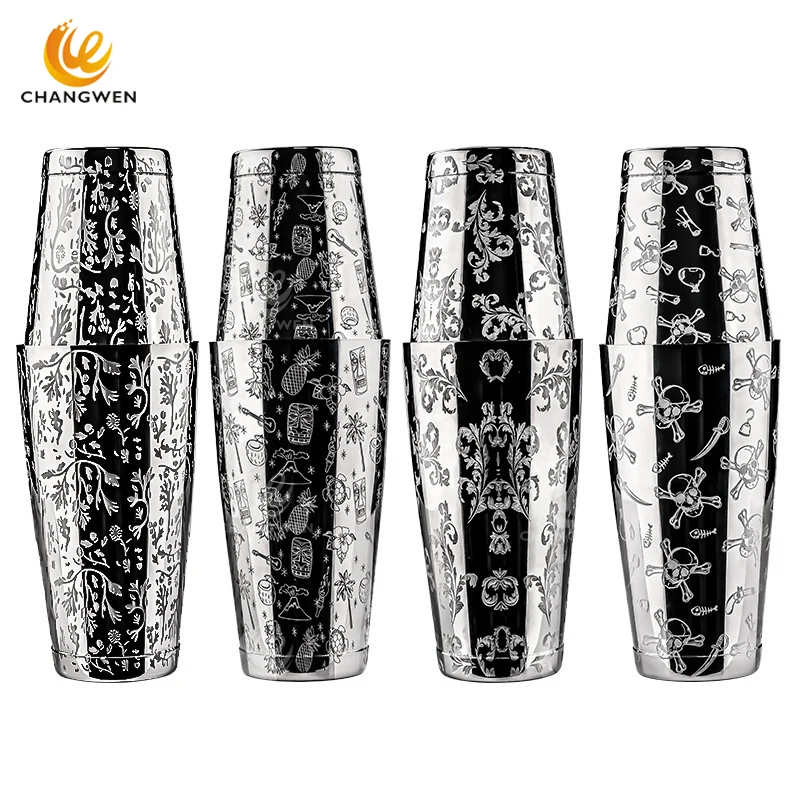
Defining Characteristics:
- Art Deco designs (1920s-1930s inspiration)
- Chrome or silver plating
- Cobbler style typically
- Ornate details and patterns
- Hourglass or torpedo shapes
Art Deco Cocktail Shaker:
Design Elements:
- Geometric patterns and lines
- Streamlined forms
- Chrome and black accents
- Skyscraper-inspired shapes
- Machine age aesthetics
- 1920s-1940s golden era
Identifying Features:
- Symmetrical designs
- Stepped or tiered construction
- Sunburst patterns
- Angular handles
- Polished metal finishes
Value Range:
- Reproduction art deco: $35-80
- Authentic period pieces: $100-800+
- Rare designer pieces: $1,000+
Fancy Cocktail Shaker
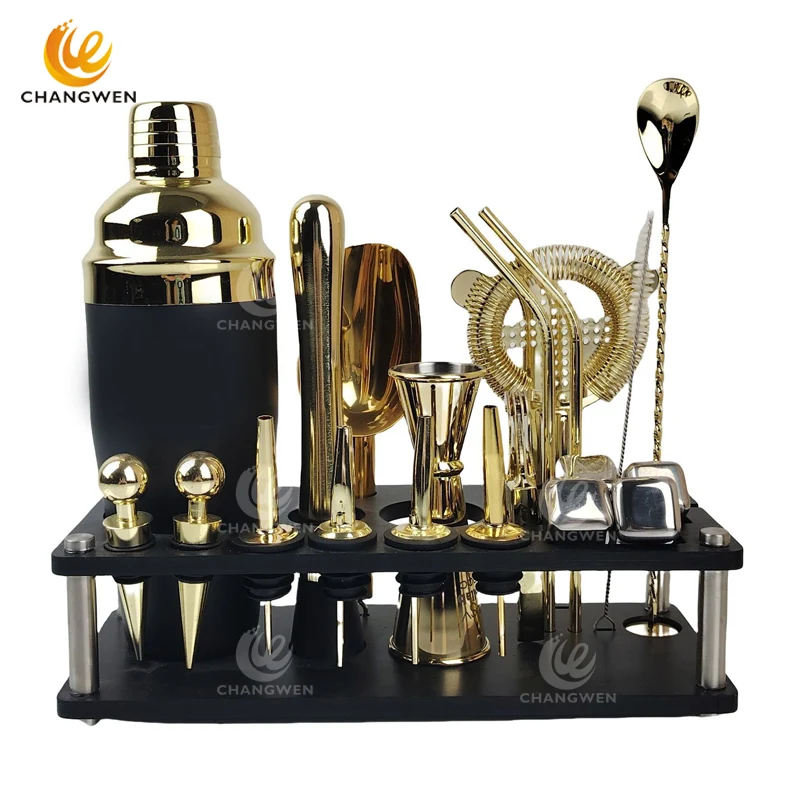
Luxury Features:
Premium Finishes:
- Gold plating (real or PVD coating)
- Rose gold
- Copper exterior
- Polished mirror finish
Gold Cocktail Shaker:
Finishes Available:
- 24k Gold Plating: Premium luxury ($150-300)
- PVD Gold Coating: Durable modern alternative ($60-120)
- Brass with Gold Tone: Budget-friendly option ($30-60)
- Rose Gold: Trendy alternative ($40-100)
Advantages:
- Stunning visual appeal
- Special occasion centerpiece
- Gift-worthy presentation
- Instagram-ready aesthetics
Maintenance:
- Hand wash only (no dishwasher)
- Use gentle, non-abrasive cleaners
- Polish with soft cloth
- Avoid acidic ingredients (can tarnish)
- Store in protective case
Design Elements:
- Hand-hammered texture
- Engraved patterns
- Art Deco detailing
- Custom monograms
Personalized Cocktail Shaker:
Customization Options:
- Engraved monograms (initials)
- Custom names or dates
- Special messages or quotes
- Company logos (corporate gifts)
- Wedding details (bridal gifts)
Plastic Cocktail Shaker
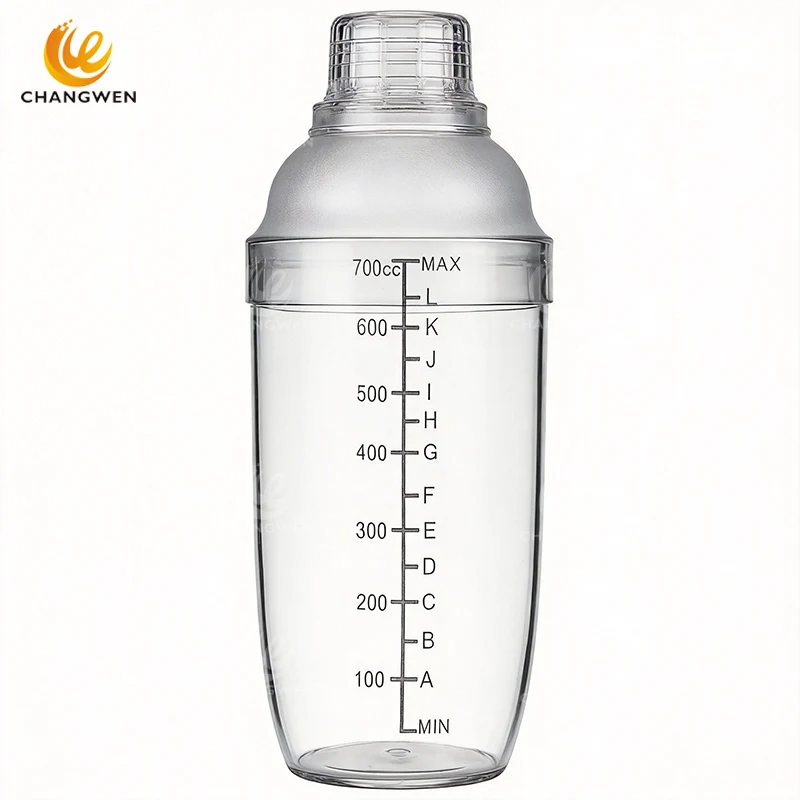
When Plastic Makes Sense:
Advantages:
- Shatterproof (safe around pools, outdoor events)
- Lightweight (easy handling)
- Affordable ($8-20)
- Dishwasher safe
- Good for camping/picnics
- Safe with children present
Disadvantages:
- Poor temperature insulation
- Scratches easily
- Absorbs odors over time
- Looks cheap/unprofessional
- Not durable long-term
- Can crack in cold weather
Quality Indicators:
- BPA-free materials essential
- Thick construction (not flimsy)
- Tight-sealing lid
- Clear or translucent (not opaque)
Best Uses:
- Outdoor entertaining (poolside, beach)
- Kids’ mocktail parties
- Camping or RVing
- Budget starter option
- High-traffic events (reduce breakage)
Not Recommended For:
- Regular home use
- Professional appearance
- Bar cart display
- Long-term investment
Price Range: $8-25
How to Use a Cocktail Shaker
Proper shaking technique differs by shaker type but follows universal principles for optimal results.
Universal Shaking Principles
Ice First vs. Ingredients First:
- Professional method: Add ingredients first, ice last
- Reason: Prevents premature dilution while measuring
- Exception: Muddled ingredients (add before ice)
Ice Amount:
- Fill shaker 2/3 to 3/4 full with ice after adding ingredients
- More ice = better chilling, proper dilution
- Never skimp on ice (affects drink quality significantly)
Shaking Duration:
- Standard cocktails: 10-15 seconds
- Egg white drinks: 20-30 seconds (or dry shake first)
- Cream drinks: 15-20 seconds
- Test: Shaker should be frosty cold on outside
Shaking Intensity:
- Vigorous, purposeful movement
- Ice should hit top of shaker each shake
- Hear distinct rattling sound
- Both hands for control (beginners)
Cocktail Glasses and Shaker Pairing
Proper Glass Selection:
Coupe Glass (4-6 oz):
- Best for: Shaken cocktails (Daiquiri, Aviation, Sidecar)
- Why: Wide opening showcases aroma
- Shaker: Any type works
Martini Glass (4-8 oz):
- Best for: Gin/vodka martinis, Manhattans
- Why: Iconic presentation
- Shaker: Boston preferred (proper dilution)
Rocks Glass (8-12 oz):
- Best for: Shaken cocktails served over ice
- Why: Versatile, practical
- Shaker: Any type
Highball Glass (10-14 oz):
- Best for: Tall shaken drinks (Mojito, Collins)
- Why: Volume capacity
- Shaker: Large size beneficial
Matching Sets: Many cocktail glasses and shaker sets include:
- Shaker (Boston or Cobbler)
- 2-4 matching glasses
- Coordinated design
- Gift-ready packaging
- Price: $40-100
Dry Shaking Technique
For Egg White Cocktails:
Method:
- Add all ingredients INCLUDING egg white (NO ICE)
- Seal and shake vigorously 15-20 seconds
- Open, add ice
- Shake again 10-15 seconds
- Strain into glass
Why It Works:
- First shake emulsifies egg white (creates foam)
- Second shake chills and dilutes properly
- Results in superior foam texture
Advanced Techniques
Double Straining:
- Use Hawthorne strainer on shaker
- Hold fine-mesh tea strainer over glass
- Pour through both strainers
- Removes ice chips, fruit pulp, herb particles
- Creates silky-smooth cocktails
Hard Shake (Japanese Style):
- Extremely vigorous shaking
- Vertical motion (up and down)
- Creates maximum aeration and dilution
- Requires practice and strength
Throwing:
- Pour liquid between two tins repeatedly
- Aerates without ice dilution
- Advanced technique (risk of spills)
Size Considerations: Standard vs Large
Capacity determines how many drinks you can prepare simultaneously and influences mixing technique.
Standard Size (18-24 oz)
Typical Capacity:
- Cobbler: 16-20 oz
- Boston (small tin): 18 oz
- French: 18-24 oz
- Mini cocktail shaker: 8-12 oz (single serving)
Advantages:
- Perfect for 1-2 drinks
- Easier handling (lighter weight)
- Better control during shaking
- Optimal ice-to-liquid ratio
- Compact storage
Best For:
- Regular home use
- Couples or small gatherings
- Limited storage space
- Beginners learning technique
Mini Cocktail Shaker:
- Ultra-compact (8-12 oz)
- Single serving only
- Travel-friendly
- Novelty/gift appeal
- Limited practical use
- Price: $10-25
Large Cocktail Shaker (28+ oz)
Typical Capacity:
- Boston (large tin): 28 oz
- Cobbler (large): 24-28 oz
- Professional: 32+ oz
Advantages:
- Batch cocktails (3-4 drinks simultaneously)
- Entertaining efficiency
- Reduced prep time for parties
- Professional capacity
Disadvantages:
- Heavier when full
- Requires more ice
- Harder to control for beginners
- More storage space needed
Best For:
- Frequent entertaining
- Large gatherings/parties
- Professional use
- Batch cocktail enthusiasts
Choosing Right Size
Consider:
Typical Party Size:
- 2-4 guests: Standard 18-24 oz
- 6-8 guests: Large 28 oz
- 10+ guests: Multiple shakers or 32+ oz
Cocktail Types:
- Single spirit cocktails: Standard sufficient
- Ingredient-heavy cocktails: Large accommodates ice + volume
- Egg white drinks: Large size necessary (need shaking space)
Physical Strength:
- Standard: Manageable for all users
- Large: Can be heavy when full (consider arm strength)
How to Choose Your Perfect Shaker
Decision framework based on your specific situation and priorities.
By Experience Level
Complete Beginner:
- Choose: Cobbler shaker (3-piece)
- Size: Standard (18-20 oz)
- Material: Stainless steel
- Features: Built-in measurements helpful
- Price: $15-30
Intermediate User:
- Choose: Boston or French shaker
- Size: Standard to large (24-28 oz)
- Material: Stainless steel
- Extras: Quality separate strainer
- Price: $30-60 (with accessories)
Advanced/Professional:
- Choose: Weighted Boston shaker
- Size: Large (28 oz+)
- Material: Professional-grade stainless
- Build: Dual metal tins (no glass)
- Price: $40-80
By Usage Frequency
Occasional (Monthly):
- Cobbler sufficient
- Budget-friendly acceptable
- All-in-one convenience valued
- $12-25 range
Regular (Weekly):
- Boston or French recommended
- Mid-tier quality investment
- Separate quality strainer
- $30-60 range
Daily/Professional:
- Professional Boston essential
- Premium materials necessary
- Multiple shakers beneficial
- $60-120+ range
By Primary Purpose
Learning to Mix:
- Cobbler with measurements
- Transparent glass option (see technique)
- Recipe book included
- Complete beginner kit
Entertaining:
- Large capacity Boston
- Elegant French for presentation
- Quick prep and cleanup
- Consider multiple shakers
Bar Cart Display:
- Aesthetic priority (vintage, gold, fancy)
- Quality construction still important
- Coordinated set appearance
- $40-150 range
Gift Giving:
- Complete cocktail shaker kit
- Premium packaging
- Attractive finish (gold, copper, vintage)
- Include recipe book
- $50-100 sweet spot
By Budget
Under $25:
- Basic Cobbler shaker
- Acceptable stainless steel quality
- Functional over aesthetic
- Single tool (not kit)
$25-60:
- Quality Boston or French shaker
- Basic complete kit option
- Decent materials and construction
- Most versatile range
$60-120:
- Premium materials (weighted, thick gauge)
- Deluxe complete kit
- Luxury finishes available
- Professional-grade options
$120+:
- Collector pieces
- Crystal options
- Custom engraving
- Heirloom quality
- Multiple premium shakers
FAQ
What is the best cocktail shaker for beginners?
The best cocktail shaker for beginners is a three-piece Cobbler shaker with built-in strainer and measurement markings. This all-in-one design requires no additional tools, features forgiving seal technique, allows immediate use without learning complex skills, and typically costs $15-30. The built-in strainer eliminates need for separate Hawthorne strainer, while cap often doubles as 1 oz measure. Choose stainless steel construction for durability. While professional bartenders prefer Boston shakers, beginners benefit from Cobbler’s simplicity, avoiding frustration during early mixing attempts. Upgrade to Boston shaker once comfortable with basic technique.
What’s the difference between boston cocktail shaker and cobbler?
Boston cocktail shaker uses two pieces (large tin + small tin or glass) with no built-in strainer, requiring separate Hawthorne strainer and more technique to seal and separate properly. Cobbler shaker features three pieces (base, built-in strainer lid, cap) providing all-in-one functionality. Boston offers larger capacity (28 oz), faster operation, and professional standard but demands skill development. Cobbler provides beginner-friendly convenience, integrated straining, and simpler sealing but has smaller capacity (16-20 oz) and coarse strainer holes. Professionals overwhelmingly choose Boston for speed and volume; home bartenders often prefer Cobbler for ease of use and minimal equipment.
Do I need a cocktail shaker with strainer?
All cocktail shakers require straining—the question is whether strainer is built-in (Cobbler) or separate (Boston/French). Cobbler shakers include built-in strainers offering convenience but with large holes that pass ice shards, requiring double-straining for smooth cocktails. Boston and French shakers need separate Hawthorne or Julep strainers providing superior control and finer filtering. Separate strainers cost $8-15 but offer better performance. Beginners appreciate built-in Cobbler strainers for simplicity. Serious mixologists prefer separate strainers for precision and versatility. If purchasing Boston or French shaker, budget additional $10-20 for quality strainer.
Is glass cocktail shaker better than stainless steel?
Stainless steel cocktail shakers outperform glass for durability, temperature retention, and professional use. Stainless steel offers unbreakable construction, excellent insulation keeping drinks cold, dishwasher safety, decades-long lifespan, and no thermal shock risk. Glass cocktail shakers provide visibility (see ingredients/ice), aesthetic appeal, vintage charm, and no metallic taste concerns, but break easily if dropped, crack from thermal shock (ice + warm glass), feel colder in hands, and cost more to replace. Choose stainless steel for regular mixing, durability focus, or vigorous shaking. Choose glass for visual mixing, display purposes, or vintage aesthetic preference. Most professional and home bartenders prefer stainless steel reliability.
What is a french cocktail shaker?
A french cocktail shaker (also called Parisian shaker) is a two-piece all-metal design combining Cobbler’s elegant hourglass shape with Boston’s simple two-part construction. Features metal base/tin and metal cap/lid that seals inside rim creating tight, reliable seal without strainer. Requires separate Hawthorne strainer like Boston shaker. Offers easier separation than Boston (less technique needed), sleeker aesthetic than Cobbler, better seal than Cobbler (less likely to freeze shut), but costs more ($25-80) and remains less common than Boston or Cobbler. Best for intermediate users wanting professional performance with elegant design, or those finding Boston shaker intimidating but wanting better performance than Cobbler.
Should I buy cocktail shaker kit or individual pieces?
Buy cocktail shaker kit if you’re a beginner needing all basic tools immediately, want coordinated aesthetic, value convenience over customization, or have budget under $80. Complete kits provide shaker, strainer, jigger, and bar spoon for $30-80 saving $10-30 versus individual purchases while ensuring compatible pieces. Buy individual pieces if you want highest quality each tool, already own some equipment, prefer specific tool styles, or plan serious cocktail pursuit. Individual premium pieces cost $60-120 total but offer superior performance and durability. Hybrid approach: buy quality shaker individually ($25-40), budget kit for remaining tools ($20-30).
How do I know what size cocktail shaker to buy?
Standard 18-24 oz cocktail shakers suit most home bartenders making 1-2 drinks at once, easier handling, better control, and compact storage. Large 28-32 oz shakers enable batch cocktails (3-4 drinks simultaneously), faster party prep, professional volume but heavier when full and require more ice. Choose standard size if you typically mix for yourself or couples, have limited storage, are learning technique, or want manageable weight. Choose large size if frequently entertaining 6+ guests, batch cooking cocktails, comfortable with heavier equipment, or need professional capacity. Consider your typical party size, physical strength, storage space, and whether speed or manageability matters more.
What makes a vintage cocktail shaker valuable?
Vintage cocktail shaker value depends on: authentic period manufacture (1920s-1940s most prized), recognizable maker/designer, materials (sterling silver > silver plate > chrome), condition (no dents, intact plating), completeness (all original pieces), rarity (limited production models), and provenance (documented history). Art Deco designs from Prohibition era command premium prices. True vintage shakers cost $50-500+ depending on factors above. Modern “vintage style” replicas ($25-80) mimic aesthetics without antique value but often offer better functionality and food-safe materials. For actual use versus collecting, modern vintage-styled shakers provide period aesthetics with contemporary performance and safety standards.
Can I use cocktail shaker with measurements instead of jigger?
You can use cocktail shaker with measurements for casual mixing but dedicated jiggers provide superior accuracy for balanced cocktails. Shaker measurements work adequately for beginners learning proportions or batch cocktails with identical recipes. However, limitations include: markings fade after 1-3 years regular use, accuracy varies ±0.25 oz affecting taste, limited increments (usually 1, 2, 3, 4 oz missing common 0.5 oz, 0.75 oz), and professionals avoid them. Dedicated double jiggers cost $8-15, provide precise measurements (0.5/1 oz or 0.75/1.5 oz), never fade, improve technique, and work with any shaker. Use measured shakers as learning tool but invest in quality jigger for serious cocktail craft.
How do you use a cocktail shaker properly?
To use a cocktail shaker: (1) Add measured ingredients to base/large tin, (2) Fill with ice 2/3 full, (3) Seal properly (Boston: tap small tin at angle; Cobbler: press lid and cap; French: press cap inside rim), (4) Shake vigorously 10-15 seconds holding both pieces firmly, (5) Break seal carefully (Boston: tap at separation point; Cobbler: remove cap only; French: twist while pulling), (6) Strain into cocktail glasses through strainer. Technique varies by type: Boston requires practice to master seal/separation, Cobbler is beginner-friendly with built-in strainer, French offers middle ground with easier seal than Boston. Always shake with ice, use enough force to hear rattling, and stop when shaker feels frosty.
What cocktail glasses work best with shakers?
Cocktail glasses and shaker pairings depend on drink type: Coupe glasses (4-6 oz) suit shaken cocktails like Daiquiris and Sidecars; Martini glasses (4-8 oz) showcase gin/vodka martinis; Rocks glasses (8-12 oz) hold shaken drinks served over ice; Highball glasses (10-14 oz) accommodate tall drinks like Mojitos. Many cocktail glasses and shaker sets include matching shaker plus 2-4 coordinated glasses for $40-100, offering gift-ready presentation. Choose glass size matching typical drink volume—standard shakers (18-24 oz) make 1-2 drinks fitting coupe/martini glasses, large shakers (28 oz) batch 3-4 drinks. Any quality shaker works with any glass; focus on matching serving style rather than requiring specific pairings.
Are personalized or engraved cocktail shakers worth it?
Personalized cocktail shaker and engraved cocktail shaker options make exceptional gifts but add $15-50 to base shaker cost. Custom cocktail shaker services offer laser engraving (precise, common), hand engraving (premium artisan), or etching (chemical process) for monograms, names, dates, or messages. Best for wedding party gifts (groomsmen), anniversary presents, corporate recognition, housewarming gifts, or retirement presents. Production takes 1-2 weeks with artwork preview before engraving. Choose quality base shaker ($30-150) ensuring engraving enhances worthy equipment. Engraved finishes require hand washing and gentle cleaners to preserve decoration. Total investment: $45-200 depending on shaker quality and customization complexity. Worth it for meaningful gifts; unnecessary for personal use unless sentimental value matters.
What’s special about art deco or vintage cocktail shakers?
Art deco cocktail shaker designs feature 1920s-1940s aesthetics with geometric patterns, streamlined forms, chrome finishes, stepped construction, and machine age styling. Vintage cocktail shaker and cocktail shaker retro styles evoke golden era glamour with hourglass shapes, ornate detailing, and period-appropriate materials (chrome-plated brass, silver plate, polished stainless). Authentic antique pieces cost $50-500+ and may need re-plating; modern vintage-style replicas ($25-80) offer period aesthetics with contemporary functionality and food-safe materials. Airplane cocktail shaker designs reflect 1930s-1940s aviation glamour with streamlined art deco forms. Collectible value depends on authentic manufacture, recognizable makers, material quality, condition, and rarity. For actual use, modern vintage-styled shakers provide retro appearance with better functionality, durability, and safety standards than true antiques.
Should I buy gold or standard stainless cocktail shaker?
Gold cocktail shaker options include 24k gold plating ($150-300), PVD gold coating ($60-120), or brass with gold tone ($30-60). Gold finishes offer stunning visual appeal, special occasion centerpieces, gift-worthy presentation, and Instagram-ready aesthetics but require hand washing, gentle cleaners, and careful storage to prevent tarnishing. Standard stainless cocktail shaker ($15-60) provides professional appearance, superior durability, dishwasher compatibility, lower maintenance, and better long-term value. Choose gold for luxury home bars, impressive entertaining, special occasion use, or gift giving where aesthetics justify premium. Choose standard stainless for daily mixing, professional performance, easy maintenance, or budget consciousness. Compromise: cocktail shaker set gold includes gold-plated shaker plus matching tools ($80-250) for coordinated luxury presentation when aesthetics matter.
Is plastic cocktail shaker good enough for home use?
Plastic cocktail shaker works for outdoor entertaining, kids’ mocktail parties, camping, or budget starter option but not ideal for regular home use. Advantages include shatterproof construction, lightweight handling, affordability ($8-20), and safety around pools or with children. Disadvantages: poor temperature insulation, scratches easily, absorbs odors, looks unprofessional, and lacks durability. For regular home mixing, invest in stainless cocktail shaker ($20-60) offering superior insulation, professional appearance, and decades-long lifespan. Plastic suits specific situations (outdoor events, travel, children’s parties) where breakage risk outweighs performance. Ensure BPA-free materials and thick construction if choosing plastic. For serious cocktail craft, plastic’s limitations (poor chilling, odor absorption, cheap appearance) make stainless steel the better long-term investment despite higher upfront cost.
What’s included in a complete kit cocktail shaker set?
Kit cocktail shaker bundles vary by tier: Starter kits (4-piece, $30-50) include shaker, Hawthorne strainer, double jigger, and bar spoon providing everything needed for basic mixing. Deluxe kits (6-8 piece, $50-100) add muddler, Julep strainer, citrus juicer, recipe book, and storage case for comprehensive home bartending. Premium kits (10+ piece, $100-200+) include additional bottle opener, channel knife, ice tongs, cocktail picks, pour spouts, and professional case. Cocktail set boston shaker kits feature two stainless steel tins (18 oz + 28 oz), Hawthorne strainer, Japanese jigger, and bar spoon for professional setup. Buying complete kit saves $10-30 versus individual purchases and ensures coordinated aesthetics but may include basic-quality components. Serious enthusiasts achieve better results purchasing individual premium pieces totaling $60-120.
Are mini cocktail shakers practical or just novelty?
Mini cocktail shaker (8-12 oz capacity) offers ultra-compact single-serving mixing but limited practical use for most home bartenders. Advantages include travel-friendly size, space-saving storage, novelty appeal, and gift potential. Disadvantages: inadequate capacity for standard cocktails (most require 4-6 oz volume), insufficient room for proper ice dilution, difficult to achieve proper shake technique in small space, and not cost-effective ($10-25 for minimal functionality). Best uses: individual cocktail demonstrations, travel bars, compact RV/boat kitchens, or cute novelty gifts. For regular home use, standard 18-24 oz shakers provide versatility for both single drinks and occasional batch preparation without size constraints. Mini shakers work as specialty addition to existing equipment but shouldn’t be sole shaker for serious mixing.
What makes cocktail shaker retro different from modern?
Cocktail shaker retro designs feature 1950s-1960s aesthetics with colorful anodized aluminum, atomic age patterns, playful graphics, pastel colors, and tiki bar influences, or 1970s styles with harvest gold/avocado tones and bold geometric patterns. Modern retro revival pieces offer vintage aesthetics with contemporary manufacturing, improved functionality, and food-safe materials ($25-60). Differences from modern shakers: retro emphasizes nostalgic design over minimalism, uses period-appropriate colors/finishes rather than plain stainless, features decorative elements (patterns, graphics) versus utilitarian appearance, and appeals to collectors/enthusiasts valuing vintage charm. Functionality remains similar—proper sealing, adequate capacity, effective mixing—but retro aesthetic adds personality to bar carts and themed entertaining. Choose retro for 1950s-70s party themes, vintage home bar styling, or collectors appreciating mid-century design; choose modern for timeless professional appearance.
Do I need separate cocktail glasses with my shaker?
Yes, cocktail glasses separate from shaker are essential for serving—shakers mix and chill, glasses present the finished drink. Shakers cannot substitute for serving glasses due to: improper shape (wide top loses aromatics), excessive capacity (shakers 18-28 oz vs. serving 4-8 oz), unprofessional appearance, and warm metal affecting drink temperature. However, cocktail glasses and shaker matching sets ($40-100) offer coordinated aesthetics including shaker plus 2-4 glasses and gift-ready packaging. At minimum, acquire coupe glasses (4-6 oz) for most shaken cocktails, rocks glasses (8-12 oz) for drinks served over ice, and highball glasses (10-14 oz) for tall drinks. Quality glassware enhances drinking experience through proper aroma delivery, visual presentation, and appropriate serving temperature. Budget allocation: $20-40 for basic glass set, $30-80 for quality shaker—together creating complete home bar setup.
Are cute or fancy cocktail shakers as functional as standard ones?
Cute or fancy cocktail shakers can match standard functionality if well-designed but often sacrifice performance for aesthetics. Quality indicators: proper seal regardless of decorative shape, adequate capacity (16+ oz), durable construction despite ornamental finish, easy cleaning access despite complex design. Novelty shapes (penguins, pineapples) may have sealing issues or reduced capacity. Fancy finishes (gold plating, hammering) on quality base shakers work excellently—hammered texture improves grip. Poor-quality decorative shakers leak, freeze shut, or have weak seals. Prioritize reputable construction first, decoration second. For regular use, choose functional design with attractive finish rather than novelty shape. Reserve purely decorative shakers for display or gifts.
What’s the difference between 水晶鸡尾酒调酒器 and glass cocktail shaker?
水晶鸡尾酒调酒器 (crystal cocktail shaker) uses lead crystal or lead-free crystal glass offering superior clarity, brilliant sparkle, distinctive ring when tapped, heavier weight (quality feel), and luxury presentation versus standard soda-lime glass cocktail shakers. Crystal provides heirloom quality, exceptional aesthetics, collector value, and impressive gift option but costs significantly more ($100-500+ vs. $20-60 for glass), requires extremely careful handling, needs hand washing only, and suits special occasions rather than regular use. Standard glass shakers offer visibility, vintage appeal, adequate durability at moderate cost for regular mixing. Choose crystal for luxury gifts, display, special occasions; choose standard glass for functional visibility at reasonable price.
Should I get stainless steel or hammered stainless steel cocktail shaker?
Hammered stainless steel cocktail shakers (不锈钢锤纹鸡尾酒调酒器) offer practical advantages beyond aesthetics: superior grip from textured surface preventing slips with wet hands, hides fingerprints better than polished finish requiring less cleaning, unique artisan appearance elevating bar cart aesthetics, and slightly better insulation from dimpled surface. Standard polished stainless steel provides: sleek modern appearance, easier cleaning (smooth surface), lower cost ($10-30 less), shows quality of metal clearly. Both offer identical durability and performance—choice is aesthetic and grip preference. Hammered finish adds $10-30 to cost. Choose hammered if you value grip security and distinctive appearance; choose polished for modern aesthetic and budget savings. Both are excellent quality options.
Conclusion
Selecting the perfect cocktail shaker or cocktail shaker set depends on honestly assessing your skill level, usage frequency, aesthetic preferences, and mixing ambitions. The best cocktail shaker for beginners—a three-piece Cobbler design with built-in strainer and measurements—differs dramatically from professional bartenders’ preference for weighted cocktail set boston shaker enabling rapid high-volume mixing.