Introduction
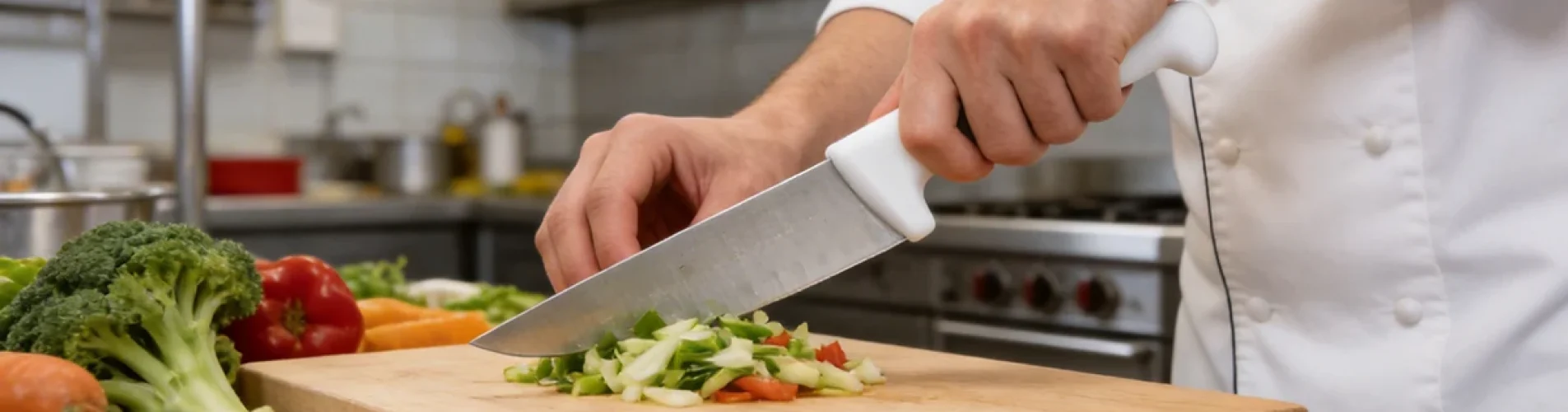
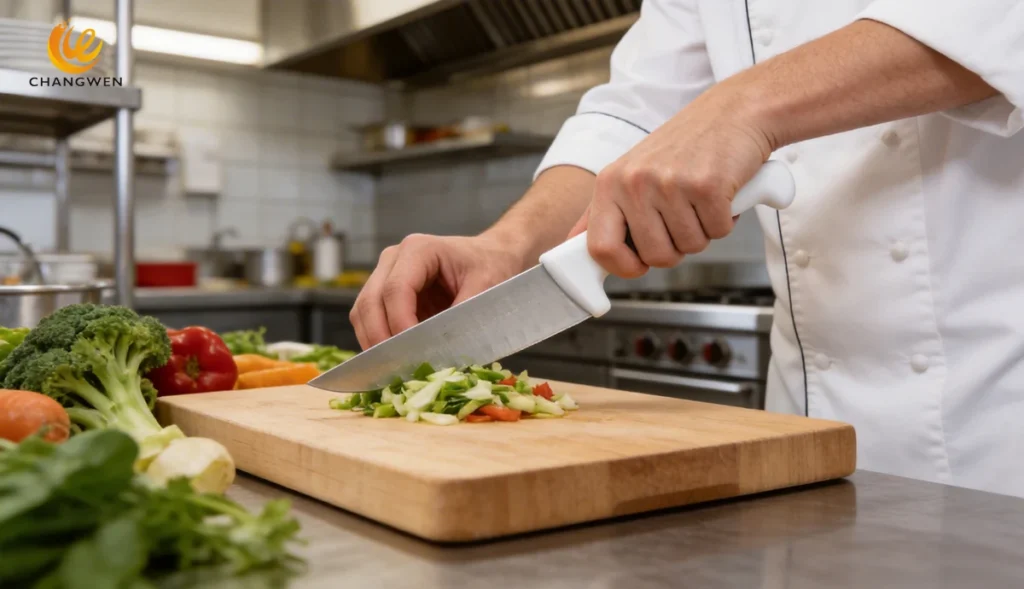
In professional kitchens worldwide, commercial kitchen knives represent far more than simple cutting tools—they are precision instruments that define the efficiency, safety, and artistry of culinary operations. Whether you’re equipping a new restaurant, upgrading an established kitchen, or searching for the best commercial kitchen knives to enhance your team’s capabilities, understanding the critical factors of steel composition, blade geometry, and construction quality makes the difference between tools that enhance your operation and those that hinder it.
The market for commercial kitchen knives has evolved dramatically, with options ranging from affordable starter sets to premium Japanese craftsmanship commanding thousands of dollars. This complexity creates challenges: How do you identify good commercial kitchen knives among countless options? What makes the best commercial kitchen knives set different from budget alternatives? Which steel types deliver professional-grade performance? Where should you search for commercial kitchen knives for sale, and why does finding commercial kitchen knives nearby matter for professional operations?
This comprehensive guide answers these questions and more, providing the technical knowledge and practical insights you need to make informed purchasing decisions. You’ll discover how different steel compositions affect sharpness and edge retention, learn which types of commercial kitchen knives your operation actually needs, understand the characteristics that define the best commercial kitchen knives on the market, and master the process of selecting a commercial kitchen knives set that delivers exceptional value and performance.
Whether you’re a chef, restaurant owner, kitchen manager, or culinary professional, this guide equips you with the expertise to choose commercial kitchen knives that will serve your operation reliably for years, enhancing both efficiency and food quality while providing the durability required in demanding professional environments.
Key Takeaways
- Commercial kitchen knives are professional-grade cutting tools engineered to withstand heavy daily use in restaurant environments, featuring superior steel, ergonomic design, and construction quality far exceeding residential knives
- Steel type is the single most important factor determining knife performance—high-carbon stainless steels like VG-10 (HRC 60-62) offer exceptional sharpness and edge retention, while German X50CrMoV15 steel provides unmatched durability and ease of maintenance
- The best commercial kitchen knives balance sharpness, edge retention, durability, and maintenance requirements—no single steel or design excels in all categories, making workflow analysis essential before purchasing
- A good commercial kitchen knives set includes 8-10 essential tools: 8-10″ chef’s knife, 3-4″ paring knife, 10-12″ slicer, 8″ bread knife, 6″ boning knife, kitchen shears, and honing steel—avoiding unnecessary specialty knives that clutter operations
- Finding commercial kitchen knives for sale requires evaluating reputable suppliers (restaurant supply stores, specialty cutlery retailers, manufacturer direct) and avoiding low-quality imports that compromise safety and performance
- Local availability matters: searching “commercial kitchen knives near me” or “commercial kitchen knives nearby” provides hands-on evaluation, immediate availability, professional fitting, and ongoing support unavailable through online-only purchasing
- Proper maintenance extends lifespan dramatically—professional knives require hand washing, proper storage (knife blocks or magnetic strips), regular honing (daily), professional sharpening (monthly to quarterly), and staff training on correct handling techniques
- ROI calculation justifies quality investment: premium commercial kitchen knives ($500-1,500 per set) lasting 10-20 years with proper care cost less annually than replacing budget knives ($200-300) every 2-3 years, while improving efficiency and reducing injury risk
What Are Commercial Kitchen Knives?
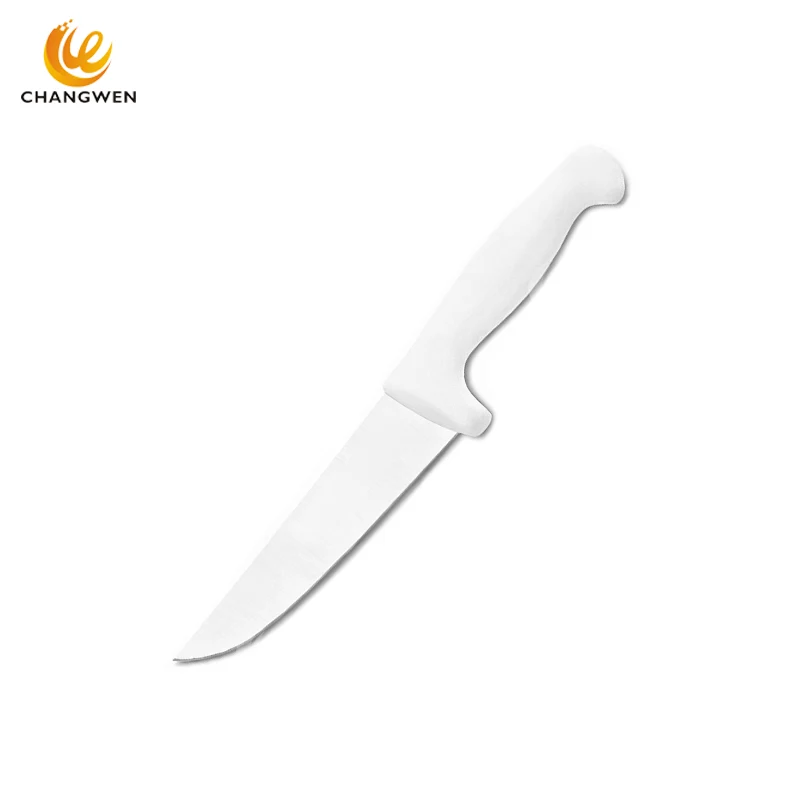
Commercial kitchen knives are professional-grade cutting tools specifically engineered to meet the demanding requirements of restaurant, catering, and foodservice operations. Unlike consumer-grade knives designed for occasional home use, commercial knives feature superior materials, reinforced construction, and ergonomic designs that withstand 8-16 hours of daily use by multiple staff members.
The Difference Between Commercial and Residential Knives
Commercial Kitchen Knives:
- Professional-grade steel (HRC 56-65 hardness)
- NSF-certified food-safe materials
- Reinforced tang construction (full tang preferred)
- Ergonomic handles for extended use
- Engineered for 500-1,000+ cuts per shift
- Designed for commercial dishwasher abuse (though not recommended)
- Warranty typically 1-5 years for defects
- Price: $50-$500+ per knife
Residential Knives:
- Consumer-grade steel (HRC 52-58 hardness)
- Standard materials (may not be NSF-certified)
- Partial or full tang (varies widely)
- Basic comfort features
- Designed for 20-50 cuts per day
- Dishwasher-safe claims (often damages knives)
- Limited or no warranty
- Price: $20-$150 per knife
Essential Characteristics of Professional-Grade Cutlery
Superior Steel Composition: Commercial knives utilize high-carbon stainless steel alloys with precise elemental composition for optimal hardness (edge retention), toughness (chip resistance), and corrosion resistance. Common professional steels include:
- German: X50CrMoV15 (balance of all properties)
- Japanese: VG-10, AUS-10 (superior sharpness)
- Premium: SG2, Damascus (exceptional performance)
Full Tang Construction: The blade extends through the entire handle length, providing:
- Maximum durability (no blade-handle separation)
- Superior balance and control
- Enhanced safety (won’t break during heavy use)
- Professional feel and precision
Ergonomic Handle Design: Professional handles feature:
- Contoured grip reducing hand fatigue
- Materials that maintain grip when wet (Micarta, G10, textured polymer)
- Proper balance point (typically just forward of handle)
- Size appropriate for extended use (not too large or small)
NSF Certification: Many jurisdictions require NSF-certified knives for commercial use, verifying:
- Food-safe materials (blade and handle)
- Seamless construction (no contamination crevices)
- Proper sanitation capability
- Durability under commercial conditions
Why Professional Knives Matter in Commercial Operations
Efficiency and Speed: Sharp, well-designed commercial kitchen knives reduce prep time by 15-25% compared to dull or poorly designed alternatives. In high-volume operations, this translates to significant labor cost savings and increased capacity.
Food Quality: Proper cutting tools preserve food integrity:
- Clean cuts minimize cellular damage (less oxidation/browning)
- Precise cuts ensure even cooking
- Delicate handling maintains texture
- Professional presentation elevates plate appearance
Safety: Counterintuitively, sharp professional knives are safer than dull alternatives:
- Less force required (reduced slip risk)
- More control and precision
- Fewer repetitive stress injuries
- Properly weighted for natural cutting motion
Cost Justification: While professional commercial kitchen knives cost 2-5x more than consumer alternatives, they last 5-10x longer with proper maintenance, making them more economical over their lifespan. Additionally, reduced prep time, improved food quality, and decreased injury risk provide returns that far exceed the initial investment.
Types of Commercial Kitchen Knives
Understanding different knife types ensures you invest in tools your operation actually needs while avoiding unnecessary purchases that clutter workstations.
Chef’s Knife (8-10 inches)
Description: The workhorse of professional kitchens, the chef’s knife handles 90% of cutting tasks with its versatile curved blade designed for rocking motion cuts.
Primary Uses:
- Chopping vegetables (onions, peppers, carrots)
- Dicing proteins
- Slicing herbs
- General prep work
- Crushing garlic (flat of blade)
Blade Characteristics:
- Length: 8-10 inches (8″ for smaller cooks, 10″ for larger hands)
- Curve: Pronounced belly for rocking cuts
- Weight: 6-9 oz (balance of control and momentum)
- Edge: 15-20 degree angle per side
Selection Criteria:
- German-style: Heavier, more durable, better for heavy-duty work
- Japanese-style: Lighter, sharper, better for precision cuts
- Handle comfort: Test before purchasing (varies by hand size)
Price Range: $75-$400 for quality commercial options
Paring Knife (3-4 inches)
Description: Small, maneuverable knife for detailed work requiring precision and control.
Primary Uses:
- Peeling fruits and vegetables
- Deveining shrimp
- Removing seeds and cores
- Garnish preparation
- Detail work and trimming
Blade Characteristics:
- Length: 3-4 inches
- Shape: Straight or slightly curved
- Weight: 2-3 oz (maximum control)
- Edge: 15-20 degree angle
Selection Criteria:
- Comfortable grip for extended detail work
- Sharp point for precision tasks
- Balanced despite small size
Price Range: $25-$100
Serrated Bread Knife (10-12 inches)
Description: Long serrated blade designed to cut through crusty exteriors without crushing soft interiors.
Primary Uses:
- Slicing bread and baked goods
- Cutting tomatoes (without squashing)
- Slicing cakes and pastries
- Sawing through tough skins (melons, squash)
Blade Characteristics:
- Length: 10-12 inches
- Serration: Pointed teeth (not scalloped)
- Flexibility: Slight flex for following contours
- Edge: Serrations require professional sharpening
Selection Criteria:
- Deep, sharp serrations (not shallow waves)
- Comfortable handle for sawing motion
- Adequate length for large loaves
Price Range: $40-$150
Boning Knife (5-7 inches)
Description: Narrow, flexible blade designed to navigate around bones, cartilage, and joints when fabricating proteins.
Primary Uses:
- Removing bones from poultry
- Trimming silver skin from meats
- Fabricating whole fish
- Precise protein trimming
Blade Characteristics:
- Length: 5-7 inches
- Flexibility: Semi-flexible to flexible (depending on task)
- Narrow profile: Maneuvers in tight spaces
- Sharp point: Precision work
Selection Criteria:
- Stiff: For beef and pork (more control)
- Flexible: For poultry and fish (follows contours)
- Secure grip (often handle wet proteins)
Price Range: $50-$200
Slicing/Carving Knife (10-14 inches)
Description: Long, narrow blade designed for clean, even slices of cooked proteins.
Primary Uses:
- Slicing roasts and large proteins
- Carving poultry
- Cutting smoked salmon
- Portioning terrines
Blade Characteristics:
- Length: 10-14 inches
- Profile: Narrow and thin
- Flexibility: Semi-flexible
- Edge: Very sharp, thin grind
Selection Criteria:
- Length appropriate for proteins served
- Granton edge (dimples) reduces sticking
- Comfortable for repetitive slicing
Price Range: $60-$250
Santoku Knife (7 inches)
Description: Japanese-style general-purpose knife combining features of chef’s knife and cleaver, popular for precise vegetable work.
Primary Uses:
- Slicing vegetables
- Dicing proteins
- Mincing herbs
- Asian cuisine preparation
Blade Characteristics:
- Length: 7 inches (standard)
- Profile: Flat edge (push-cut vs. rocking)
- Weight: Lighter than chef’s knife
- Edge: Often granton (hollow ground)
Selection Criteria:
- Appropriate if your cuisine emphasizes precision cuts
- Not necessary if you have a quality chef’s knife
- Popular in sushi and Asian restaurants
Price Range: $70-$300
Utility Knife (5-7 inches)
Description: Mid-sized knife filling the gap between chef’s knife and paring knife for medium tasks.
Primary Uses:
- Cutting sandwiches
- Slicing smaller vegetables
- Portioning cheese
- General medium-duty tasks
Blade Characteristics:
- Length: 5-7 inches
- Profile: Straight or slightly curved
- Weight: 4-6 oz
Consideration: Many professional kitchens skip utility knives, finding a chef’s knife and paring knife cover all necessary tasks more effectively. Evaluate whether this fills an actual gap in your operation.
Price Range: $35-$120
Kitchen Shears
Description: Heavy-duty scissors designed for food preparation tasks requiring cutting power beyond knives.
Primary Uses:
- Spatchcocking poultry
- Cutting herbs
- Trimming pie dough
- Opening packages
- Cutting parchment paper
Characteristics:
- Stainless steel construction
- Separable blades (for cleaning)
- Comfortable handles
- Often includes bottle opener, bone notch
Selection Criteria:
- Professional-grade (not household scissors)
- Dishwasher-safe blades
- Ergonomic grips
Price Range: $25-$80
Understanding Knife Steel: The Foundation of Performance
Steel composition determines every performance characteristic of commercial kitchen knives—from initial sharpness to long-term edge retention, from ease of sharpening to resistance to chipping. Understanding steel types empowers you to select knives matching your specific operational needs.
Key Steel Properties Explained
Hardness (HRC – Rockwell C Scale): Measures steel’s resistance to deformation and scratching.
- 52-56 HRC: Soft steel (easy to sharpen, poor edge retention, high toughness)
- 56-58 HRC: German-style steel (good balance, very durable)
- 58-60 HRC: Standard Japanese steel (sharp, good retention)
- 60-62 HRC: Premium Japanese steel (very sharp, excellent retention, less tough)
- 62-65 HRC: Ultra-premium steel (exceptional sharpness, requires expert care)
Relationship: Harder steel holds edges longer but chips more easily and is harder to sharpen.
Edge Retention: How long a knife stays sharp under normal use.
Factors Affecting Edge Retention:
- Carbon content (higher = better retention)
- Carbide formation (vanadium, chromium carbides)
- Heat treatment quality
- Blade geometry and edge angle
Toughness: Resistance to chipping, cracking, or breaking under stress.
Characteristics:
- Inversely related to hardness (harder = less tough)
- Critical for heavy-duty tasks (butchering, hard vegetables)
- Improved by specific alloys (manganese, molybdenum)
Corrosion Resistance: Resistance to rust, staining, and pitting.
Chromium Content:
- <10.5%: Carbon steel (will rust)
- 10.5-14%: Semi-stainless (some resistance)
- 14%+: Stainless steel (good resistance)
- 16%+: High corrosion resistance
Ease of Sharpening: How readily steel responds to sharpening.
Factors:
- Hardness (softer sharpens easier)
- Carbide size and distribution
- Steel purity and grain structure
Relationship: Harder steels (60+ HRC) require more skill and better sharpening equipment.
German Steel: X50CrMoV15
Composition:
- 0.50% Carbon
- 15% Chromium
- Molybdenum and Vanadium (small amounts)
Characteristics:
- Hardness: 55-58 HRC
- Excellent corrosion resistance
- Very tough and durable
- Easy to sharpen and maintain
- Good (not exceptional) edge retention
Best For:
- High-volume commercial kitchens
- Heavy-duty tasks (butchering, root vegetables)
- Kitchens with varying skill levels
- Operations prioritizing durability over ultimate sharpness
Popular Manufacturers Using This Steel:
- Premium German knife makers from Solingen
- Traditional German cutlery manufacturers
- Swiss professional knife companies
- American commercial kitchen specialists
Maintenance:
- Easy to sharpen (can use standard equipment)
- Forgiving of maintenance lapses
- Handles some dishwasher abuse (not recommended)
Price Point: Mid-range ($50-$200 per knife)
Verdict: The workhorse steel for commercial kitchens valuing reliability and ease of maintenance over ultimate performance.
Japanese Steel: VG-10
Composition:
- 1.0% Carbon
- 15% Chromium
- 1.5% Cobalt
- 1.0% Molybdenum
- 0.2% Vanadium
Characteristics:
- Hardness: 60-62 HRC
- Superior sharpness and edge retention
- Good corrosion resistance (often clad with softer stainless)
- Relatively easy to sharpen (for hard steel)
- Less tough (prone to chipping if misused)
Best For:
- Precision-focused operations (sushi, fine dining)
- Skilled knife handlers
- Operations emphasizing knife maintenance
- Tasks requiring exceptional sharpness (raw fish, delicate proteins)
Popular Manufacturers Using This Steel:
- Premium Japanese knife makers
- High-end Asian cutlery manufacturers
- Various Japanese professional brands
Maintenance:
- Requires proper sharpening equipment (1000-6000 grit whetstones)
- Hand wash only
- Immediate drying essential
- Professional sharpening recommended
Price Point: Premium ($100-$400 per knife)
Verdict: The performance steel for kitchens willing to invest in proper maintenance for superior cutting characteristics.
Japanese Steel: AUS-8 and AUS-10
AUS-8 Composition:
- 0.75% Carbon
- 14% Chromium
- Vanadium, Molybdenum (trace amounts)
AUS-10 Composition:
- 1.0% Carbon (higher than AUS-8)
- 14% Chromium
- Enhanced Vanadium content
Characteristics:
- Hardness: 57-59 HRC (AUS-8), 58-60 HRC (AUS-10)
- Good sharpness and edge retention
- Excellent corrosion resistance
- More forgiving than VG-10
- Easier to sharpen than premium Japanese steels
Best For:
- Mid-range commercial operations
- Balance of performance and maintainability
- Restaurants upgrading from German steel
- Operations wanting Japanese sharpness without VG-10 brittleness
Popular Manufacturers:
- Mid-tier Japanese knife makers
- Professional Asian cutlery brands
- Various mid-range commercial knife lines
Maintenance:
- Moderate difficulty sharpening
- Hand wash recommended
- More forgiving than VG-10
Price Point: Mid to mid-premium ($60-$200 per knife)
Verdict: Excellent middle ground between German durability and Japanese performance.
High-Carbon Steel (Non-Stainless)
Composition:
- 0.95-1.2% Carbon
- Minimal chromium (<10.5%)
- Very pure steel (minimal alloys)
Characteristics:
- Hardness: 60-65 HRC
- Exceptional sharpness (can achieve razor edges)
- Superior edge retention
- Easy to sharpen
- Will rust without proper care
Best For:
- Expert users only
- Traditional Japanese cuisine
- Cooks prioritizing ultimate performance
- Operations with rigorous knife care protocols
Examples:
- White Paper Steel (Shirogami)
- Blue Paper Steel (Aogami)
- Traditional carbon steel
Maintenance:
- Critical: Wash, dry, oil immediately after use
- Develops patina (desirable, protects against rust)
- Never leave wet
- Never use with acidic foods (causes staining)
- Requires expert knowledge
Price Point: Premium to ultra-premium ($150-$800+ per knife)
Verdict: For enthusiasts and experts only—unmatched performance with demanding maintenance requirements.
Damascus Steel
Clarification: Damascus is not a steel type but a forging technique creating layered steel with distinctive patterns.
Construction:
- Multiple steel types forged together (often 30-200+ layers)
- Core: High-performance steel (VG-10, SG2, etc.)
- Outer layers: Softer steel for pattern and corrosion protection
Characteristics:
- Performance determined by core steel (not layers)
- Aesthetic appeal (distinctive wavy patterns)
- Often superior corrosion resistance (clad construction)
- Premium pricing (labor-intensive manufacturing)
Marketing Warning: Many “Damascus” knives are pattern-etched stainless steel (not true Damascus). Verify layered construction before paying premium prices.
Best For:
- Operations valuing aesthetics (open kitchens)
- Premium gift knives
- Collectors and enthusiasts
Price Point: Premium to ultra-premium ($200-$1,500+ per knife)
Verdict: Beautiful and often high-performing, but pay for quality core steel, not just aesthetic patterns.
Steel Comparison Chart
| Steel Type | Hardness (HRC) | Edge Retention | Toughness | Ease of Sharpening | Corrosion Resistance | Best For |
|---|---|---|---|---|---|---|
| X50CrMoV15 (German) | 55-58 | Good | Excellent | Easy | Excellent | Heavy-duty, high-volume |
| AUS-8 | 57-59 | Good | Very Good | Moderate | Excellent | Mid-range all-purpose |
| AUS-10 | 58-60 | Very Good | Good | Moderate | Excellent | Balanced performance |
| VG-10 | 60-62 | Excellent | Moderate | Moderate-Hard | Very Good | Precision work |
| High-Carbon | 60-65 | Exceptional | Moderate | Easy | Poor (will rust) | Expert users only |
| Damascus (varies) | Varies by core | Varies by core | Varies by core | Varies by core | Often Excellent | Aesthetic + performance |
Choosing the Right Steel for Your Operation
High-Volume Commercial Kitchens: X50CrMoV15 German steel—prioritizes durability and ease of maintenance over ultimate sharpness.
Fine Dining and Precision Work: VG-10 or Damascus with VG-10 core—superior sharpness for delicate work.
Mid-Range Operations: AUS-8 or AUS-10—excellent balance of performance, maintainability, and cost.
Expert-Level Traditional Cuisine: High-carbon steel (Shirogami, Aogami)—unmatched performance with demanding care requirements.
Budget-Conscious: Good-quality X50CrMoV15—reliable performance without premium costs.
Best Commercial Kitchen Knives by Category
Based on professional testing, chef feedback, and long-term performance in commercial environments, here are the best commercial kitchen knives across different categories and price points.
Best Overall Commercial Chef’s Knife
Premium German-Style Chef’s Knife
Steel: X50CrMoV15 German stainless Hardness: 58 HRC Price: ~$150-180
Why It Wins:
- Unmatched durability in commercial environments
- Forgiving of maintenance lapses
- Excellent balance and control
- Lifetime warranty against defects
- Widely available for replacement/additional units
Best For: High-volume kitchens, varied skill levels, heavy-duty tasks
Value Option: Budget German-Style 8″ Chef’s Knife
- Exceptional value ($45-55)
- Same steel type (X50CrMoV15)
- Less refined fit and finish but excellent performance
- Popular in professional kitchens worldwide
Best Japanese-Style Chef’s Knife
Premium VG-10 Japanese Gyuto
Steel: VG-10 core, stainless clad Hardness: 60-61 HRC Price: ~$80-100
Why It Wins:
- Exceptional value for VG-10 steel
- Superior sharpness and edge retention
- Reasonable price for professional use
- Reliable construction with consistent quality
Best For: Precision-focused kitchens, skilled knife handlers, operations valuing sharpness
Ultra-Premium Option: High-End Damascus 8″ Chef’s Knife
- Premium VG-MAX steel (~$200-250)
- Beautiful Damascus cladding
- Lifetime sharpening from manufacturer
- Premium option for high-end operations
Best Budget Commercial Kitchen Knife
Swiss-Made Professional Series
Why It Wins:
- Professional-grade at budget prices ($30-60 per knife)
- Used in culinary schools worldwide
- NSF-certified
- Reliable performance and durability
- Easy to replace if lost or damaged
Best For: Training kitchens, high-turnover operations, budget-conscious purchasing
Best Premium Commercial Knife Set
Premium German 7-Piece Block Set
Contents:
- 8″ chef’s knife
- 8″ bread knife
- 6″ utility knife
- 3.5″ paring knife
- Kitchen shears
- Honing steel
- Hardwood block
Price: ~$400-500 Value: Excellent (saves ~$100 vs. individual purchase)
Why It Wins:
- Complete professional setup
- Consistent steel across all knives
- Lifetime warranty
- Professional-grade quality throughout
Budget Alternative: Swiss Professional 7-Piece Set (~$200-250)
- Budget-friendly professional option
- Same coverage, lower price point
- Excellent for startup operations
Best Commercial Kitchen Knives Set (Value)
Professional Mid-Range 6-Piece Set
Contents:
- 8″ chef’s knife
- 8″ bread knife
- 6″ boning knife
- 3″ paring knife
- Honing steel
- Knife case
Steel: German high-carbon stainless Price: ~$150-200
Why It Wins:
- Professional quality at mid-range pricing
- NSF-certified
- Used in culinary schools
- Includes case for mobile operations
- Excellent durability and performance
Best For: Catering operations, food trucks, startup restaurants
Best Specialty Knives
Best Boning Knife: Swiss 6″ Flexible Boning Knife (~$40)
- Perfect flexibility for poultry and fish
- Excellent value
- Professional standard
Best Bread Knife: Professional 10″ Wavy Edge Serrated Knife (~$25)
- Deep, effective serrations
- Comfortable handle
- Outstanding value
Best Kitchen Shears: German Professional Kitchen Shears (~$50)
- Heavy-duty construction
- Separable for cleaning
- Multiple functions (bottle opener, bone notch)
Recommendations by Kitchen Type
Fine Dining Restaurant:
- Premium Japanese knife series
- VG-10 steel for precision
- Investment in maintenance
High-Volume Casual Dining:
- German professional series
- X50CrMoV15 steel for durability
- Easy maintenance
Catering Operation:
- Mid-range professional set with case
- Includes case for transport
- Durable and affordable
Food Truck:
- Budget professional series
- Budget-friendly replacements
- Reliable performance
Culinary School:
- Swiss professional student kits
- Affordable for students
- Professional quality for learning
Commercial Kitchen Knives Set: What to Include
Building an effective commercial kitchen knives set requires balancing comprehensive coverage with practical limitations. Too few knives creates inefficiency; too many clutters workstations and complicates inventory.
Essential 5-Piece Professional Set
For: Single station or small operation
- 8-10″ Chef’s Knife ($75-200)
- Primary workhorse
- 90% of cutting tasks
- Size based on user preference
- 3-4″ Paring Knife ($25-80)
- Detail work and peeling
- Second most-used knife
- Small, maneuverable
- 10-12″ Bread Knife ($40-120)
- Bread, tomatoes, delicate items
- Serrated edge essential
- Long enough for large loaves
- 6″ Boning/Utility Knife ($40-150)
- Protein fabrication OR medium tasks
- Choose based on your menu
- Flexible if fabricating proteins
- Honing Steel ($20-60)
- Daily edge maintenance
- Essential for all knife sets
- 12″ length minimum
Total Investment: $200-610
Comprehensive 10-Piece Restaurant Set
For: Full-service restaurant or busy operation
Core Knives:
- 10″ Chef’s Knife ($100-250)
- 8″ Chef’s Knife ($75-200) – backup or smaller users
- 4″ Paring Knife ($30-100)
- 10″ Bread Knife ($50-150)
- 6″ Boning Knife ($50-180)
- 10-12″ Slicing Knife ($60-220)
Utility Items: 7. Kitchen Shears ($30-80) 8. Honing Steel 12″ ($25-70)
Optional but Recommended: 9. 7″ Santoku ($70-250) – if Asian cuisine focus 10. Second Paring Knife ($30-100) – high-volume operations
Total Investment: $520-1,600
Specialty Additions by Cuisine Type
Steakhouse:
- Additional slicing knives (2-3 total)
- Heavy-duty boning knives
- Butcher’s steel (coarse, for realigning edges)
Sushi/Japanese:
- Yanagiba (sushi knife) 10.5″ (~$200-800)
- Deba (fish butchery) 6.5″ (~$150-500)
- Usuba (vegetable knife) 7″ (~$200-600)
Bakery/Pastry:
- Offset serrated knife
- Palette knives (not cutting, but essential)
- Bench scraper
Butcher Shop:
- Breaking knives (10″)
- Cimeter knife (12″)
- Bone saw
- Cut-resistant gloves
Set Configuration Recommendations
Startup Restaurant (Limited Budget):
- 2 Swiss professional chef’s knives 8″ ($90)
- 2 Swiss paring knives ($60)
- 1 Professional bread knife ($25)
- 1 Swiss boning knife ($40)
- 1 Honing steel ($25)
- Total: ~$240
Established Restaurant (Quality Focus):
- 3 German premium chef’s knives 8″ ($450)
- 2 German paring knives ($160)
- 1 German bread knife ($140)
- 2 Swiss boning knives ($80)
- 1 German slicer ($180)
- 1 Honing steel ($50)
- 1 Kitchen shears ($50)
- Total: ~$1,110
Fine Dining (Performance Focus):
- 4 Japanese premium chef’s knives 8″ ($800-1,000)
- 2 Japanese paring knives ($200)
- 1 Japanese bread knife ($200)
- 2 Japanese boning knives ($160)
- 1 Japanese slicer ($250)
- 2 Honing steels ($100)
- Total: ~$1,710-1,910
Common Mistakes to Avoid
Over-Purchasing Specialty Knives: Most operations don’t need:
- Utility knives (chef’s and paring cover this range)
- Multiple Santoku knives (one is sufficient if needed)
- Decorative Damascus knives (performance matters more)
- Knife sets with 20+ pieces (most go unused)
Under-Investing in Core Knives: Don’t buy:
- Budget chef’s knives while splurging on specialty items
- Mismatched quality (high-end chef’s knife, bargain paring knife)
- Incomplete sets (no honing steel)
Ignoring Maintenance Tools: Essential additions beyond knives:
- Quality honing steel (minimum 12″)
- Cut-resistant gloves (for fabrication work)
- Proper storage (magnetic strips or knife blocks)
- Sharpening service contract or equipment
How to Find Good Commercial Kitchen Knives
Identifying quality commercial kitchen knives requires evaluating multiple factors beyond brand name and price. This systematic approach helps you distinguish professional-grade cutlery from marketing hype.
Visual and Physical Inspection
Full Tang Construction:
- Examine where handle meets blade
- Full tang: Metal extends through entire handle (visible on top and bottom)
- Partial tang: Metal only extends partway (avoid for commercial use)
- Verify: Look for rivets through handle (indicates full tang)
Blade Finish:
- Smooth, consistent surface (no pits, rough spots, or irregularities)
- Even grind on both sides
- Clean, precise edge with no chips or rolls
- Polished or satin finish (not rough or uneven)
Handle Quality:
- Secure attachment (no movement between blade and handle)
- Comfortable grip (ergonomic contours)
- Materials: Micarta, G10, or quality polymer (not cheap plastic)
- Proper size (not too large or too small for average hands)
- Textured for wet grip security
Balance Point:
- Hold knife by handle as if cutting
- Balance point should be just forward of handle (near bolster)
- Blade-heavy: Difficult to control, causes fatigue
- Handle-heavy: Inefficient cutting, requires more effort
Weight:
- Chef’s knife 8″: 6-9 oz (varies by style—German heavier, Japanese lighter)
- Should feel substantial but not exhausting
- Personal preference plays role (test before purchasing)
Testing Performance (If Possible)
Sharpness Test:
- Paper test: Should cleanly slice newspaper held in air
- Tomato test: Should pierce tomato skin with no pressure
- Onion test: Should slice without crushing or tearing
Edge Geometry:
- Examine edge profile (magnifying glass helpful)
- Should taper smoothly to fine edge
- No secondary bevels (unless intentional design)
- Consistent angle along entire edge
Flexibility Test:
- Boning knives: Should flex moderately
- Chef’s knives: Minimal flex (indicates proper thickness)
- Bread knives: Minimal flex
Reading Specifications
Steel Designation: Look for specific steel type (not just “stainless steel” or “high-carbon”)
- Good: “VG-10”, “X50CrMoV15”, “AUS-10”
- Vague: “High-carbon stainless”, “German steel”
- Red flag: No steel specification provided
Hardness Rating:
- Should specify HRC rating
- Professional range: 56-62 HRC
- Missing HRC: Indicates lower-quality manufacturing
Country of Origin: Quality indicators by origin:
- Germany: Solingen (traditional quality center)
- Japan: Seki, Sakai, Takefu (renowned knife-making regions)
- Switzerland: Ibach-Schwyz (Victorinox headquarters)
- USA: Various quality manufacturers
Warning signs:
- “Made in China” without brand recognition (quality varies widely)
- No origin specified
- Vague “imported” claims
Brand Reputation Research
Established Professional Categories:
- German Manufacturers: High-quality traditional knife makers from Solingen region
- Japanese Manufacturers: Premium knife makers from Seki, Sakai, and Takefu regions
- Swiss Manufacturers: Professional-grade cutlery with global reputation
- American Manufacturers: Commercial kitchen specialists with professional focus
- French Manufacturers: Traditional cutlery makers (verify authenticity—names often copied)
Research Methods:
- Professional chef reviews (not sponsored content)
- Culinary school recommendations
- Restaurant supply store staff input
- Long-term durability reports (5+ years of use)
Red Flags:
- Brand exists only on Amazon/online marketplaces
- No manufacturer website or contact information
- Suspiciously low prices (chef’s knife under $30)
- Excessive marketing claims (“military-grade”, “NASA technology”)
- No warranty or unclear warranty terms
Certifications and Standards
NSF Certification:
- Verifies food-safe materials and construction
- Required in many commercial jurisdictions
- Look for NSF mark on product or packaging
- Verify on NSF website if in doubt
Manufacturer Warranties:
- Excellent: Lifetime against defects (premium German manufacturers)
- Good: 5-10 year warranty
- Acceptable: 1-2 year warranty
- Red flag: No warranty or unclear terms
Professional Organization Endorsements:
- Used in culinary schools (Swiss and American professional brands)
- Restaurant association recommendations
- Chef organization partnerships
Price as Quality Indicator
General Price Ranges for Commercial Quality:
Chef’s Knife 8″:
- Budget professional: $40-75 (Swiss, American commercial brands)
- Standard professional: $75-150 (German traditional manufacturers)
- Premium professional: $150-300 (Premium German and Japanese brands)
- Ultra-premium: $300-800+ (handmade, Damascus, Japanese custom)
Warning Signs:
- Set of 10 knives for under $100 (cannot be quality)
- Individual chef’s knife under $30 (consumer-grade at best)
- Prices far below comparable quality (quality corners cut somewhere)
Value Indicators:
- German steel chef’s knife: $75-150 (sweet spot for quality/value)
- Japanese steel chef’s knife: $100-250 (expect to pay more for harder steel)
- Professional sets: $200-600 (complete 6-8 piece professional setup)
Online vs. In-Person Evaluation
Advantages of In-Person:
- Handle and test knives before purchase
- Verify quality (no photo deception)
- Professional fitting advice
- Immediate availability
- Build relationship with supplier (ongoing support)
Advantages of Online:
- Wider selection
- Often better prices
- Customer reviews (if authentic)
- Convenience
Recommendation: For first commercial kitchen knife purchase or set, buy in-person from reputable restaurant supply store. Once you know what works, online repurchases acceptable.
Where to Buy: Commercial Kitchen Knives for Sale
Finding reliable sources for commercial kitchen knives for sale requires understanding the different supplier types, their advantages, and potential pitfalls.
Restaurant Supply Stores
Description: Brick-and-mortar or online retailers specializing in commercial foodservice equipment and supplies.
Types of Suppliers:
- Large online restaurant supply retailers
- National commercial kitchen equipment chains
- Regional foodservice supply distributors
- Membership-based wholesale clubs (business membership required)
Advantages:
- Professional-grade focus (not consumer products)
- Knowledgeable staff (often former industry professionals)
- Bulk purchasing options
- Commercial pricing
- NSF-certified products
- Volume discounts for multi-unit operations
Considerations:
- May require business license or tax ID
- Minimum order quantities (some suppliers)
- Shipping costs for large/heavy items
Best For:
- Restaurant and foodservice operations
- Bulk purchasing
- Professional-grade requirements
Specialty Cutlery Retailers
Description: Stores dedicated exclusively to knives and cutting tools, offering expert knowledge and premium selection.
Types:
- Online specialty knife retailers
- Professional cutlery importers
- High-end kitchen supply stores (mall locations)
- Specialty cooking stores
Advantages:
- Expert staff (knife specialists)
- Premium brand selection
- Often offer sharpening services
- Detailed product information
- Sometimes offer custom orders
Considerations:
- Higher prices (specialist markup)
- May carry consumer-focused products alongside commercial
- Limited kitchen equipment beyond knives
Best For:
- Fine dining operations
- Specialty knife needs
- Expert advice requirements
Manufacturer Direct
Description: Purchasing directly from knife manufacturers when they sell retail.
Availability:
- German premium manufacturers (direct sales)
- Japanese knife makers (through parent companies)
- Swiss manufacturers (direct sales)
- Various professional knife brands
Advantages:
- Guaranteed authenticity
- Full warranty support
- Sometimes better pricing (no middleman)
- Access to full product line
Considerations:
- Limited to single manufacturer
- May not offer volume discounts
- Shipping costs
Best For:
- Ensuring authenticity
- Warranty concerns
- Single-brand preference
Online Marketplaces
Platforms:
- Amazon
- eBay
- Specialty marketplaces
Advantages:
- Convenient
- Customer reviews
- Often competitive pricing
- Wide selection
Risks:
- Counterfeit products (especially high-end brands)
- Misleading descriptions
- Fake reviews
- No professional support
- Gray-market products (no warranty)
How to Buy Safely:
- Purchase only from verified sellers
- Check “Ships from and sold by [Manufacturer]” or authorized retailers
- Research seller reputation extensively
- Verify warranty coverage before purchasing
- Be extremely skeptical of prices far below market
Recommendation: Use for repurchasing known products only. Avoid for initial professional knife purchases.
Local Suppliers and Distributors
Finding Local Options:
- Google search: “[Your city] restaurant supply”
- Yellow pages: Commercial kitchen equipment
- Industry associations (state restaurant associations)
- Referrals from other restaurants
Advantages:
- Immediate availability (no shipping wait)
- Build relationships (ongoing support)
- Local warranty service
- Hands-on evaluation before purchase
- Often offer installation/training
Considerations:
- May have limited selection
- Prices sometimes higher than online
- Business hours restrictions
Best For:
- Immediate needs
- First-time commercial purchases
- Ongoing relationship value
Wholesale and Bulk Purchasing
For Multi-Unit Operations:
Advantages:
- Significant volume discounts (20-40% off retail)
- Consistent quality across locations
- Simplified procurement
- Negotiated payment terms
Requirements:
- Minimum order quantities (often 6-12+ units per item)
- Business documentation (tax ID, business license)
- Sometimes annual volume commitments
Best Approached Through:
- Manufacturer sales representatives
- National restaurant supply distributors
- Foodservice equipment dealers
Finding Commercial Kitchen Knives Near Me
Searching for “commercial kitchen knives near me” or “commercial kitchen knives nearby” offers distinct advantages over online purchasing, particularly for professional operations requiring hands-on evaluation and ongoing support.
Why Local Matters for Commercial Purchases
Hands-On Evaluation: Professional knives represent significant investments ($500-2,000+ for complete sets). Handling knives before purchasing ensures:
- Proper fit for your hand size
- Comfortable weight and balance
- Grip security when wet
- Confidence in quality and construction
Professional Fitting: Knowledgeable local suppliers can:
- Recommend knives based on your menu and cuisine
- Size knives appropriately for your staff
- Suggest alternatives you may not have considered
- Provide comparative demonstrations
Immediate Availability: Local purchasing means:
- Same-day availability (no shipping delays)
- No risk of shipping damage
- Immediate replacement if defective
- Start using equipment immediately
Ongoing Support: Establishing local supplier relationships provides:
- Sharpening service recommendations
- Maintenance advice and troubleshooting
- Easy returns or exchanges if issues arise
- Future purchasing support (expansions, replacements)
- Emergency equipment needs (broken knife mid-service)
How to Find Local Suppliers
Google Search Strategies:
Primary Searches:
- “commercial kitchen knives near me”
- “restaurant supply store [your city]”
- “professional cutlery [your city]”
- “chef knives [your city]”
Advanced Searches:
- “NSF certified knives [your city]”
- “Wüsthof dealer [your city]” (or other specific brands)
- “[Your city] restaurant equipment”
Map Search:
- Google Maps: “restaurant supply” or “commercial kitchen equipment”
- Radius: Start with 25 miles, expand if needed
- Filter: Read reviews, check photos, verify they carry knives
Industry Resources:
Restaurant Associations:
- State restaurant associations (member directories)
- Local foodservice associations
- Culinary organization recommendations
Culinary Schools:
- Contact local culinary schools
- Ask where students purchase professional knives
- Often have supplier relationships with educational discounts
Professional Network:
- Ask other restaurant owners/chefs
- Kitchen manager Facebook groups
- Local chef associations
- Suppliers to other operations in your building/area
Equipment Dealers: Your existing kitchen equipment dealer likely carries or can source commercial knives, often offering:
- Bundled pricing with other equipment
- Established payment terms
- Existing relationship leverage
Evaluating Local Suppliers
Visit in Person:
What to Look For:
- Commercial focus (not primarily consumer products)
- Knowledgeable staff (ask technical questions about steel types, HRC)
- Professional atmosphere (not big-box retail)
- NSF-certified product selection
- Multiple quality brands (not just one line)
Red Flags:
- Staff cannot answer basic questions about steel or construction
- Only consumer brands available
- High-pressure sales tactics
- No return policy or unclear terms
- Facility appears disorganized or unprofessional
Questions to Ask:
Product Knowledge:
- “What steel type is used in [specific knife]?”
- “What’s the HRC hardness rating?”
- “Is this NSF certified?”
- “What’s the difference between these two chef’s knives?”
Service and Support:
- “Do you offer sharpening services or recommendations?”
- “What’s your return policy for defective items?”
- “Can you order items not in stock?”
- “Do you offer volume discounts for multiple locations?”
Pricing and Terms:
- “Is this your best price, or do you offer contractor/commercial discounts?”
- “Do you match online pricing?”
- “What payment terms do you offer?” (net 30, etc.)
- “Is there a minimum order for delivery?”
Regional and National Chains Worth Visiting
National Options:
- Membership-based wholesale clubs (business membership required, wholesale pricing)
- Business-focused warehouse clubs (limited selection but good value)
- Large online retailers with local pickup (in some markets)
Regional Chains: Vary by location, research your area. Often family-owned businesses with deep industry knowledge.
Specialty Retailers:
- High-end cooking stores (mall locations, consumer focus but carries professional lines)
- Luxury kitchen retailers (similar offerings)
- Local cutlery shops (if specialized in professional/commercial)
Balancing Local and Online Purchasing
Recommended Approach:
Buy Locally:
- Initial knife set or major purchases
- Knives you haven’t used before
- When professional fitting matters
- When immediate need exists
Buy Online:
- Replacements of known knives
- Backup/duplicate items
- When you’re certain of specifications
- When price difference is substantial (>20%)
Hybrid Strategy:
- Evaluate and test knives locally
- If online price significantly better, ask local supplier to match or explain value difference
- Purchase locally if price within 10-15% (support and service worth premium)
- Purchase online if savings substantial and you’re confident in selection
Maintenance and Care
Proper maintenance extends commercial kitchen knife lifespan from 2-3 years (poor care) to 10-20+ years (excellent care), making maintenance protocols a critical investment protection strategy.
Daily Care Procedures
Washing:
Proper Method:
- Wash immediately after use (don’t let food dry on blade)
- Use warm water and mild dish soap
- Wipe blade from spine to edge (never edge to spine—risk of cuts)
- Rinse thoroughly
- Dry immediately with clean towel
- Store properly
Never:
- Put in dishwasher (even “dishwasher-safe” knives degrade faster)
- Leave soaking in sink (dulls edge, risks damage, safety hazard)
- Use abrasive scrubbers on blade
- Wash with harsh chemicals
Why Hand Washing Matters:
- Dishwasher detergents are harsh (cause pitting and corrosion)
- High heat damages handles
- Knives bang against other items (chips edges, damages tips)
- Water jets dull edges over time
Storage:
Proper Options:
Magnetic Knife Strip:
- Advantages: Easy access, space-efficient, doesn’t dull edges
- Installation: Mount securely to wall, away from heat sources
- Usage: Place blade flat against strip, don’t drag along surface
- Capacity: Choose length appropriate for knife quantity
Knife Block:
- Advantages: Protects edges, keeps knives together, portable
- Considerations: Choose horizontal slots (blade rests on spine, not edge)
- Maintenance: Clean regularly (can harbor bacteria)
- Placement: Away from heat and moisture
In-Drawer Knife Tray:
- Advantages: Protects from damage, organized
- Requirements: Dedicated drawer, proper inserts
- Considerations: Each knife needs individual slot
Knife Roll/Case:
- Advantages: Portable (catering, demonstrations)
- Considerations: Ensure individual pockets (knives don’t contact)
- Best for: Mobile operations, chef’s personal knives
Never:
- Store loose in drawer (edges contact other metal, dulls rapidly)
- Leave on cutting board or counter (safety hazard, damage risk)
- Store near heat sources (warps handles, affects heat treatment)
Honing vs. Sharpening
Understanding the Difference:
Honing (Realigning):
- Uses: Honing steel (smooth or fine-ridged rod)
- Function: Straightens edge that has rolled microscopically
- Effect: Restores sharpness of already-sharp knife
- Frequency: Daily or before each shift
- Removes: Minimal to no metal
Sharpening (Re-edging):
- Uses: Whetstones, sharpening systems, or professional service
- Function: Removes metal to create new edge
- Effect: Restores sharpness of dull knife
- Frequency: Monthly to quarterly (depending on use)
- Removes: Small amount of metal
Honing Technique:
- Hold honing steel vertically, tip resting on non-slip surface
- Position knife at 15-20° angle against steel
- Draw knife down and across steel from heel to tip (one smooth motion)
- Repeat on other side of blade
- Alternate sides for 5-6 strokes per side
- Test sharpness (paper slice test)
Common Mistakes:
- Angle too steep (damages edge)
- Too much pressure (removes excessive metal)
- Inconsistent angle (creates uneven edge)
- Honing dull knife (honing cannot sharpen, only realign)
Professional Sharpening
When to Sharpen:
- Knife won’t cut cleanly through paper held in air
- Honing no longer restores sharpness
- Edge feels rounded (not crisp) when carefully tested with finger
- Obvious chips or damage to edge
Frequency:
- High-volume operations: Monthly
- Moderate use: Quarterly
- Low volume: 2-3 times per year
Options:
Professional Sharpening Service:
- Advantages: Expert results, convenient, often includes honing
- Cost: $5-15 per knife
- Turnaround: Often same-day or next-day
- Finding: Local knife shops, some restaurant supply stores, mobile services
In-House Sharpening:
- Advantages: Immediate availability, no downtime, eventual cost savings
- Requirements: Staff training, quality equipment ($100-500), practice
- Risks: Improper technique can ruin knives
- Recommendation: Only if you have trained, skilled staff member
Sharpening Systems:
- Whetstones: 1000/6000 grit combination ($50-150)
- Guided systems: Ensure consistent angle ($100-300)
- Electric sharpeners: Convenient but can remove excessive metal (not recommended for professional use)
What to Expect from Professional Sharpening:
- Restored to “like-new” sharpness
- Consistent edge angle along entire blade
- No chips or rolls
- Often includes light honing/polishing
Training Staff
Essential Training Topics:
Proper Handling:
- Never leave knives in sink (safety and edge damage)
- Pass knife handle-first to others
- Announce when walking with knife (“knife behind you”)
- Keep blade pointed down when walking
- Use cutting board (never counter or hand)
Cutting Techniques:
- Proper grip (pinch grip for chef’s knife)
- Claw technique for hand holding food
- Rocking motion vs. slicing motion (appropriate to task)
- Minimum safe distance from blade (fingers tucked)
Maintenance Responsibilities:
- Wash, dry, store immediately after use
- Daily honing (demonstrate proper technique)
- Report dull or damaged knives immediately
- Never attempt cutting tasks knife isn’t designed for
Safety Protocols:
- Cut-resistant gloves (for fabrication work)
- First aid procedures for cuts
- When to sharpen vs. hone
- Proper storage and retrieval
Training Methods:
- Hands-on demonstration
- Supervised practice
- Written protocols posted in kitchen
- Regular refresher training
- Accountability for damaged knives (not punitive, but ensuring care)
Troubleshooting Common Problems
Problem: Edge Dulls Quickly
Causes:
- Cutting on improper surface (glass, metal, ceramic)
- Dishwasher use
- Excessive honing
- Low-quality steel
- Improper storage (edges contacting other items)
Solutions:
- Use only wood or plastic cutting boards
- Hand wash exclusively
- Hone only when needed (not automatically)
- Invest in better quality knives
- Improve storage system
Problem: Chips in Edge
Causes:
- Cutting frozen foods
- Hitting bones or hard materials
- Cutting on improper surface
- Dropping knife
- Very hard steel (60+ HRC) used improperly
Solutions:
- Thaw foods before cutting
- Use appropriate knife for task (boning knife for bones)
- Use proper cutting surface
- Handle carefully
- Consider more durable steel if chips frequent
Problem: Rust Spots
Causes:
- Not drying thoroughly after washing
- Dishwasher use
- Storing in humid environment
- Low-quality stainless steel
- High-carbon steel without proper care
Solutions:
- Dry immediately and completely after washing
- Hand wash only
- Store in dry location
- Apply light food-safe oil after cleaning (high-carbon steel)
- Replace if rust extensive (safety concern)
Problem: Handle Damage
Causes:
- Dishwasher use (heat and harsh detergents)
- Excessive moisture exposure
- Age and normal wear
- Improper storage
Solutions:
- Hand wash and dry thoroughly
- Replace handle if possible (some knives)
- Replace knife if handle compromised (safety issue)
- Improve storage and handling
FAQ
What makes commercial kitchen knives different from home kitchen knives?
Commercial kitchen knives feature professional-grade steel (typically HRC 56-65), full tang construction for durability, superior edge retention to withstand 500-1,000+ cuts per shift, ergonomic handles for extended use, and NSF certification for food safety compliance. They’re engineered to endure daily commercial use by multiple staff members and maintain performance for 10-20+ years with proper maintenance, whereas residential knives are designed for occasional home use and typically last 2-5 years.
What is the best steel for commercial kitchen knives?
There is no single “best” steel—optimal choice depends on your operation. German X50CrMoV15 steel (HRC 55-58) offers excellent durability, easy maintenance, and forgiving performance for high-volume operations. Japanese VG-10 steel (HRC 60-62) provides superior sharpness and edge retention for precision-focused kitchens willing to invest in proper maintenance. AUS-8 or AUS-10 steel provides good balance between German durability and Japanese performance at mid-range pricing. Consider your menu, staff skill levels, and maintenance commitment when choosing.
How much should I spend on a commercial kitchen knives set?
For quality professional equipment, expect to invest $200-600 for a complete starter set (6-8 pieces). Budget options like Victorinox Fibrox Pro ($200-300) provide reliable professional performance. Mid-range sets like Mercer Culinary Renaissance ($300-400) offer excellent value for most operations. Premium sets like Wüsthof Classic ($400-600) deliver superior quality and longevity. Fine dining operations may invest $1,000-2,000+ for Japanese premium brands. Remember: quality commercial knives lasting 10-20 years cost less annually than replacing budget knives every 2-3 years.
Should I buy commercial kitchen knives online or locally?
For initial purchases or unfamiliar knives, buy locally to handle products, receive professional fitting, verify quality, get immediate availability, and establish supplier relationships for ongoing support. For replacements of known knives or when online prices are significantly lower (20%+), online purchasing is acceptable. Recommended strategy: evaluate locally, ask for price matching, purchase locally if within 10-15% of online (support worth premium), or purchase online for substantial savings when confident in specifications.
How often should commercial kitchen knives be sharpened?
Frequency depends on use intensity: high-volume operations require professional sharpening monthly, moderate-use kitchens need quarterly sharpening, and low-volume operations sharpen 2-3 times annually. Between sharpenings, daily honing with a steel maintains edge alignment. Signs requiring sharpening include inability to cleanly slice newspaper held in air, honing no longer restoring sharpness, and rounded edge feel. Professional sharpening costs $5-15 per knife and typically provides same-day service.
What knives are essential in a commercial kitchen?
The essential commercial kitchen knives set includes an 8-10″ chef’s knife (primary workhorse for 90% of tasks), 3-4″ paring knife (detail work and peeling), 10-12″ serrated bread knife (bread, tomatoes, delicate items), 6″ boning knife (protein fabrication), and 12″ honing steel (daily maintenance). This 5-piece foundation ($200-600) handles all basic professional needs. Expand as needed with slicing knife, kitchen shears, and cuisine-specific tools (Santoku for Asian restaurants, additional slicers for steakhouses).
Are expensive commercial kitchen knives worth it?
Yes, when properly maintained. Premium commercial knives ($150-300 per knife) using quality steel (VG-10, high-end German) maintain sharpness 3-5x longer than budget options, improve cutting efficiency by 15-25%, last 10-20+ years versus 2-5 years for budget knives, and reduce injury risk through superior balance and edge retention. Calculate total cost of ownership: premium $200 chef’s knife lasting 15 years costs $13/year; budget $50 knife replaced every 3 years costs $17/year. Additionally, efficiency gains and food quality improvements provide ROI beyond equipment costs.
How do I find commercial kitchen knives near me?
Search Google for “commercial kitchen knives near me”, “restaurant supply store [your city]”, or “[your city] professional cutlery”. Use Google Maps searching “restaurant supply” with 25-mile radius. Contact local culinary schools for supplier recommendations, ask other restaurant owners for referrals, and check state restaurant association directories. When visiting suppliers, verify commercial focus, ask staff technical questions about steel types and HRC hardness, check for NSF-certified selections, and inquire about sharpening services and volume discounts.
Can commercial kitchen knives go in the dishwasher?
No—never put commercial kitchen knives in dishwashers, even if labeled “dishwasher-safe”. Dishwashers damage knives through harsh detergents (cause pitting and corrosion), high heat (damages handles and affects steel heat treatment), contact with other items (chips edges and damages tips), and powerful water jets (gradually dull edges). Always hand wash with mild soap and warm water, dry immediately with clean towel, and store properly. Dishwasher use can reduce knife lifespan from 10-15 years to 2-3 years.
What’s the difference between honing and sharpening?
Honing uses a smooth steel rod to realign the knife edge that has microscopically rolled, removes minimal to no metal, should be done daily or before each shift, and maintains already-sharp knives. Sharpening removes metal to create a new edge, restores dull knives to sharpness, should be done monthly to quarterly depending on use, and requires whetstones, sharpening systems, or professional service. Think of honing as maintenance (like tuning a piano) and sharpening as restoration (like restringing a piano). Both are essential for optimal performance.
What is NSF certification and why does it matter for commercial knives?
NSF (National Sanitation Foundation) certification is third-party verification that knives meet strict public health and safety standards for food-safe materials, seamless construction preventing contamination, proper sanitation capability, and durability under commercial conditions. Many health departments legally require NSF-certified equipment in commercial kitchens, commercial insurance may mandate certification, and certification ensures quality construction and materials. Look for NSF mark on products or verify certification on NSF website before purchasing for professional operations.
How do I choose between German and Japanese style commercial knives?
Choose German-style knives (Wüsthof, Zwilling, Victorinox) for heavy-duty tasks, high-volume operations, varied staff skill levels, and emphasis on durability and low maintenance. German steel (X50CrMoV15, HRC 55-58) is more forgiving, very tough, easy to sharpen, and excellent for all-around use. Choose Japanese-style knives (Shun, Tojiro, Global) for precision work, skilled knife handlers, delicate cutting tasks, and willingness to invest in proper maintenance. Japanese steel (VG-10, HRC 60-62) offers superior sharpness, excellent edge retention, but requires careful handling and proper care. Many operations use German for general prep and Japanese for specialized precision work.
Conclusion
Selecting the right commercial kitchen knives represents one of the most important equipment decisions for any foodservice operation. These precision instruments directly impact prep efficiency, food quality, staff safety, and ultimately, your bottom line. Whether you’re searching for the best commercial kitchen knives set to equip a new restaurant, looking for good commercial kitchen knives to upgrade your current inventory, or trying to find commercial kitchen knives for sale from reputable suppliers, the knowledge in this guide empowers you to make informed decisions that serve your operation for decades.