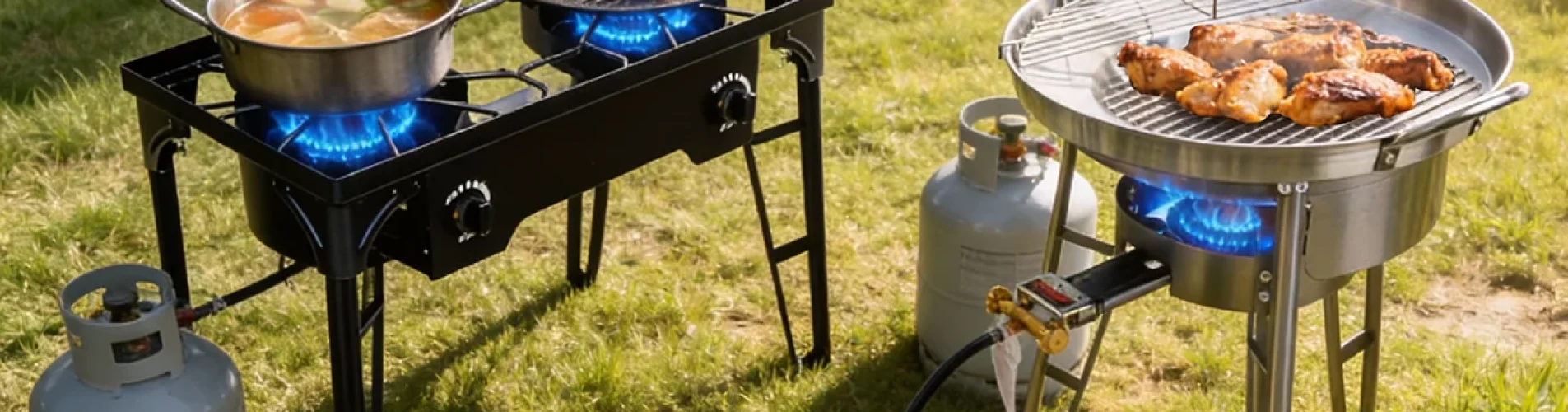
What is a Propane Burner?
A propane burner is a specialized heating device engineered to combust liquid propane gas (LPG) to generate an intense, concentrated flame for cooking or industrial applications. Unlike standard indoor kitchen stoves, these units are typically designed for high-performance tasks that require significant heat output, measured in British Thermal Units (BTUs). In the context of commercial catering and heavy-duty cooking, a heavy-duty propane burner is often paired with large stainless steel stock pots to facilitate the rapid boiling of liquids, deep-frying, or slow-simmering of bulk ingredients.
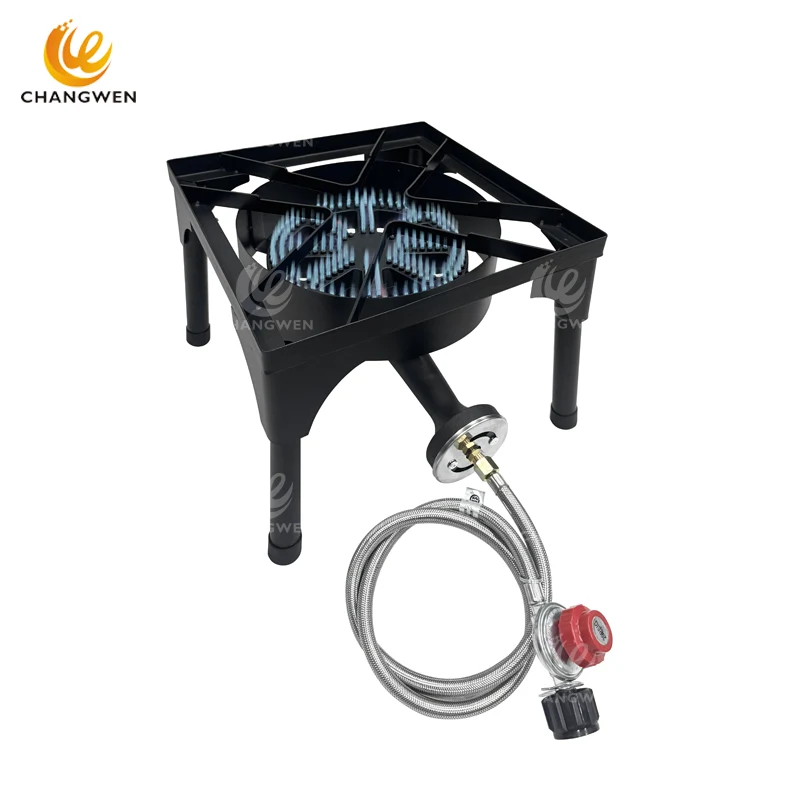
The structure of a propane burner generally includes a burner head, which disperses the gas for even combustion, and a sturdy burner stand or frame designed to support the weight of heavy cookware. Many commercial models use cast iron construction to withstand extreme temperatures and environmental corrosion. With technological improvements, many stainless steel designs are now available, offering greater durability, easier cleaning, and a more attractive appearance. Whether it is a single burner for concentrated heat or a multi-burner stove for multitasking, these tools are essential for outdoor kitchens, catering events, and large-scale food production where portability and high-caliber thermal efficiency are required.
Why Choose a Propane Burner?
Selecting a propane burner as the power source for commercial or outdoor cooking is primarily based on its significant advantages in efficiency, power, and portability.
Based on industry experience, the main reasons for choosing propane burners include:
High Energy Efficiency: Propane is known for its high energy content, making it one of the most efficient fuels available. Propane burners convert this energy into a consistent, clean flame that maximizes heat output while minimizing fuel consumption.
Portability and Flexibility: Unlike electric or natural gas systems that require fixed connections, propane burners can be used anywhere a propane tank can be connected. This makes them the perfect choice for catering, camping, or backyard activities.
Precision Heat Control: For chefs, propane burners offer superior control over heat levels. The ability to adjust the flame with precision allows for everything from low simmering to high-heat searing.
Clean and Environmentally Friendly: Propane is a low-emission fuel that burns cleaner than many other energy sources, producing fewer greenhouse gases and pollutants than charcoal or wood.
Cost-Effective: Propane is a cost-effective fuel compared to electricity or natural gas, especially in areas where these utilities may not be readily available. Its high efficiency results in long-term savings for both residential and commercial use.
High-Pressure Powerful Heating: High-pressure propane burners are specifically designed for heavy-duty tasks that require intense heat, such as deep-frying, brewing, or boiling large-capacity stock pots. Their heating speed far exceeds that of standard stoves.
When in use, please ensure proper ventilation and regularly inspect hoses and connections for leaks to guarantee operational safety while enjoying high-efficiency heat.
Which Type of Propane Burner Do You Need?
Choosing the right propane burner can significantly impact cooking efficiency, safety, and overall performance—whether you’re preparing meals outdoors, running a commercial kitchen, or enjoying a camping trip. From propane burner outdoor models built for open-air cooking to heavy-duty commercial kitchen propane burners, today’s market offers a wide range of options designed for different needs.
In this guide, we’ll walk you through the most common types of propane burners, including camp stove propane, single burner camp stove, 2 burner camp stove, and 3 burner camp stove, helping you determine which solution best fits your application.
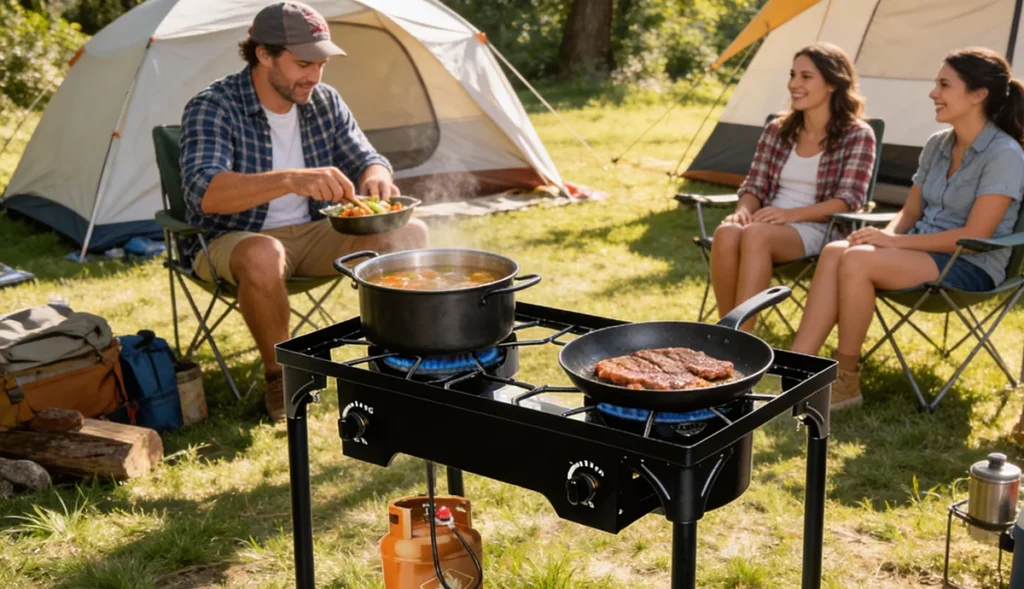
Propane Burner Outdoor: Built for Open-Air Cooking
A propane burner outdoor model is designed specifically for use outside, making it ideal for backyard cooking, outdoor events, seafood boils, and large-pot cooking.
Typical Applications:
Outdoor catering and food stalls
Backyard cooking and festivals
Brewing, boiling, and stock preparation
Key Features:
Open-frame steel or stainless steel construction
High BTU output for large pots
Stability on uneven outdoor surfaces
Outdoor propane burners are often paired with large stock pots, making them perfect for soups, stews, and broth preparation.
Commercial Kitchen Propane Burner: Power and Durability
A commercial kitchen propane burner is engineered for professional environments such as restaurants, hotels, and institutional kitchens. These burners are built to withstand continuous use and extreme heat.
Why Choose a Commercial Model?
Designed for long operating hours
Thick metal construction resists warping
Precise flame control for professional cooking
Common Uses:
Restaurant back kitchens
Soup kitchens and food factories
High-volume meal production
Commercial kitchen propane burners are often compatible with large stainless steel stock pots and are preferred where consistent heat and reliability are critical.
Camp Stove Propane: Portable and Practical
A camp stove propane is a lightweight and portable cooking solution designed for outdoor enthusiasts. These stoves balance convenience, safety, and performance.
Ideal For:
Camping and hiking trips
RV and van life
Picnic and outdoor travel
Most camp stove propane units are compact, easy to transport, and quick to set up, making them a popular choice for casual outdoor cooking.
Single Burner Camp Stove: Compact and Efficient
A single burner camp stove is the simplest and most portable propane stove option. It’s perfect for solo travelers or minimal cooking needs.
Advantages:
Extremely lightweight and portable
Lower propane consumption
Easy storage and transport
Best Use Cases:
Solo camping
Emergency cooking
Small outdoor meals
If you prioritize portability and simplicity, a single burner camp stove is a reliable choice.
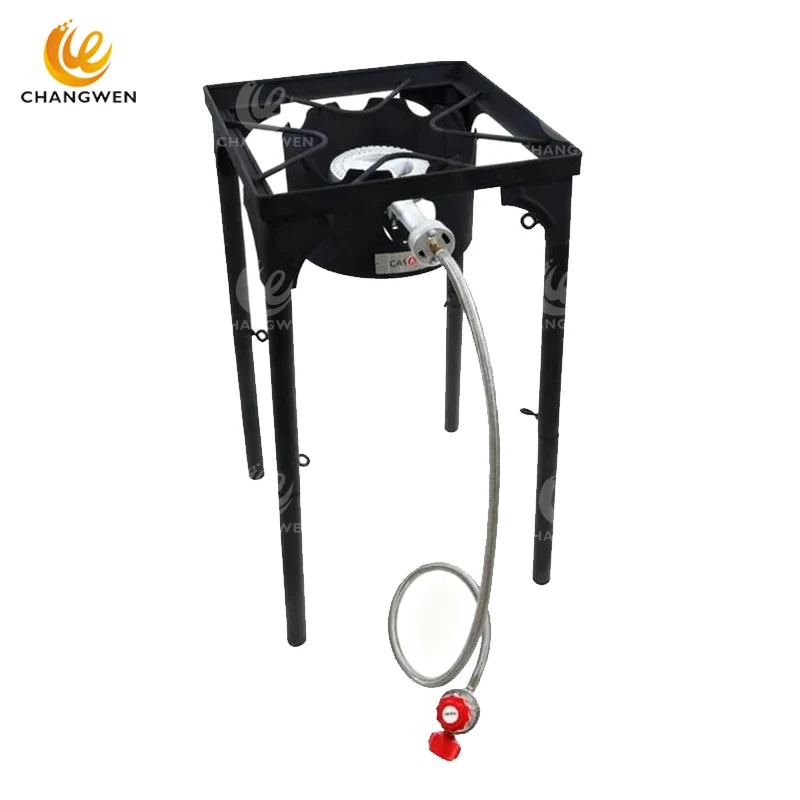
2 Burner Camp Stove: Balance of Power and Portability
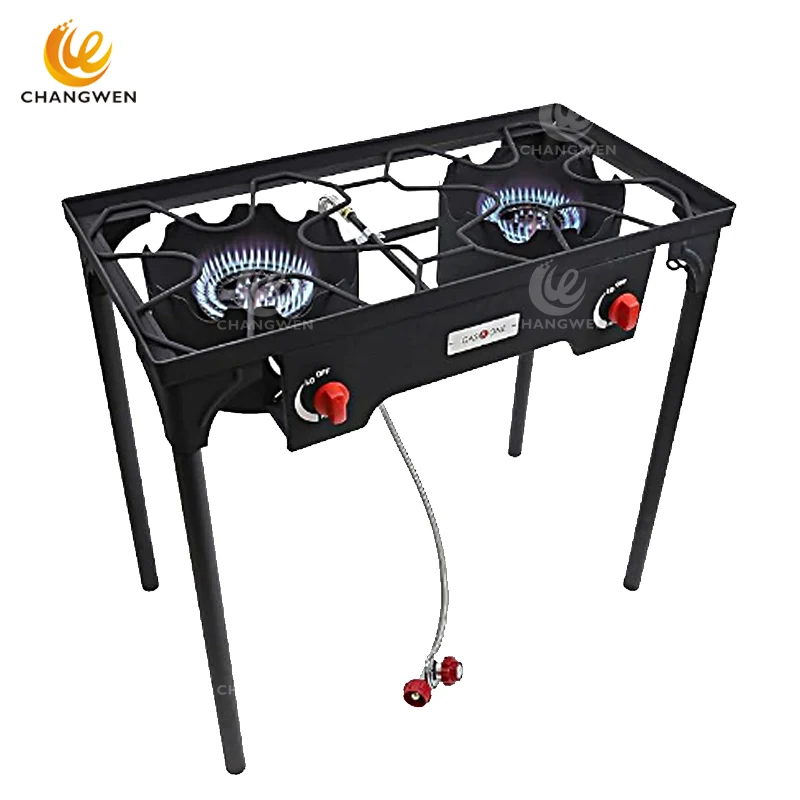
A 2 burner camp stove offers increased flexibility by allowing you to cook two dishes simultaneously. It’s one of the most popular options for families and small groups.
Key Benefits:
Dual cooking zones
Independent flame control
Moderate size with strong output
Suitable For:
Family camping trips
Outdoor picnics
RV kitchens
The 2 burner camp stove strikes an excellent balance between cooking capacity and portability.
3 Burner Camp Stove: Maximum Outdoor Cooking Capacity
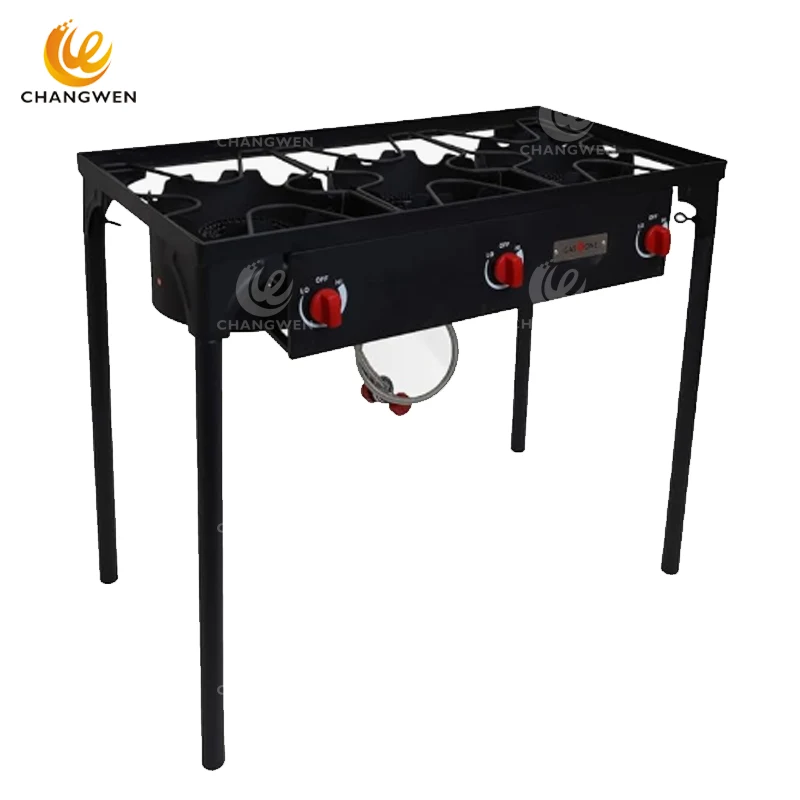
For larger groups or more complex meals, a 3 burner camp stove provides maximum cooking flexibility. This option is often chosen by outdoor caterers or group campers.
Features:
Three independent burners
High total BTU output
Suitable for large cookware
Ideal Applications:
Group camping and events
Outdoor cooking for teams or families
Multi-dish meal preparation
While less compact, a 3 burner camp stove delivers unmatched versatility in outdoor settings.
How to Choose the Right Propane Burner
When selecting a propane burner, consider the following factors:
Usage Environment
Outdoor, commercial kitchen, or camping use
Cooking Volume
Single meals vs. large-scale cooking
Portability Needs
Fixed installation or mobile use
Burner Count
Single burner camp stove vs. 2 or 3 burner camp stove
Durability and Materials
Stainless steel for longevity and easy cleaning
Whether you need a powerful commercial kitchen propane burner, a rugged propane burner outdoor, or a convenient camp stove propane for your next adventure, choosing the right configuration ensures better performance and long-term value.
From compact single burner camp stove models to versatile 2 burner camp stove and high-capacity 3 burner camp stove options, propane burners continue to be a trusted solution for both professional and outdoor cooking needs.
How Does a Gas Burner Function?
A gas burner functions by converting a controlled flow of fuel gas into heat through combustion. It is a core component in many cooking and heating systems, including commercial kitchens, outdoor cooking equipment, and camping stoves. Understanding how a gas burner works helps users operate it safely, efficiently, and with better temperature control.
The process begins when the gas supply—typically propane or natural gas—is released by opening the control valve. The gas travels through a regulator that reduces pressure to a safe and usable level. From there, the fuel passes into the burner tube, where it mixes with air. This air–fuel mixture is essential for proper combustion. Too little air results in a yellow, sooty flame, while the correct balance produces a clean, blue flame that burns efficiently.
Once the gas and air are mixed, ignition occurs. This can be achieved through a manual lighter, an electronic spark, or a pilot flame. When ignited, the mixture burns at the burner ports, producing a steady and controllable flame. The design of the burner head and ports ensures even flame distribution, which helps provide uniform heat across the cooking surface.
Flame control is managed by adjusting the gas valve. Increasing gas flow produces a larger flame and higher heat output, while reducing the flow lowers the temperature. Many gas burners also feature adjustable air shutters that fine-tune the air intake, improving combustion efficiency and heat consistency.
Safety components play an important role in modern gas burners. Regulators, shut-off valves, and flame-failure devices help prevent gas leaks and automatically stop the gas supply if the flame goes out. These features are especially important in commercial and high-output applications.
Propane Burner Connection Types: High-Pressure vs. Low-Pressure Explained
When selecting a propane burner, understanding the connection type is essential for safe operation, proper performance, and compatibility with your gas supply. Propane burners are commonly categorized by high-pressure and low-pressure connection systems, each designed for different cooking applications such as outdoor cooking, commercial kitchens, and camping equipment.
Understanding Propane Burner Gas Connections
A propane burner connection refers to the interface between the propane supply (cylinder or tank), the regulator, and the burner itself. The correct connection ensures stable gas flow, controlled flame output, and overall safety. Using the wrong pressure or connector can lead to poor performance or serious safety risks.
High-Pressure Propane Burner Connections
High-pressure propane burners operate with minimal gas pressure reduction and are typically paired with adjustable high-pressure regulators. These systems deliver strong, intense flames and are ideal for heavy-duty cooking.
Common Applications:
Outdoor propane burners for large pots
Seafood boils and stock pot cooking
Commercial outdoor kitchens
Brewing and frying setups
Connection Features:
Usually connected directly to propane cylinders
Require high-pressure regulators (often 0–20 PSI adjustable)
Metal hose or reinforced rubber hose connections
Threaded fittings designed for durability
High-pressure systems are favored when fast heating and high BTU output are required, but they must always be used outdoors due to strong flame intensity.
Low-Pressure Propane Burner Connections
Low-pressure propane burners use a regulator to reduce gas pressure to a safe and consistent level, typically around 11 inches of water column (WC). These burners provide controlled, steady heat and are commonly used in indoor or semi-enclosed environments.
Common Applications:
Commercial kitchen propane burners
Camp stoves and portable propane cookers
RV and food truck kitchens
Connection Features:
Equipped with low-pressure regulators
Often use flexible gas hoses
Designed for precise flame control
Compatible with multi-burner systems
Low-pressure connections are safer for continuous operation and are widely used in commercial kitchens and camping equipment.
Key Differences Between High and Low-Pressure Connections
| Feature | High-Pressure | Low-Pressure |
| Pressure Level | High PSI output | Reduced, regulated pressure |
| Heat Output | Very high | Moderate and stable |
| Typical Use | Outdoor, heavy-duty cooking | Indoor, commercial, camping |
| Flame Control | Less precise | More controlled |
Choosing the Right Propane Burner Connection
To choose the correct propane burner connection, consider:
Cooking environment (indoor vs. outdoor)
Required heat output
Safety and ventilation
Regulator compatibility
Always ensure that the propane burner, regulator, and connector are designed to work together. Mixing high-pressure burners with low-pressure regulators can cause poor performance or safety issues.
Propane Burner Connector Thread Standards (POL, QCC, CGA)
In addition to pressure type, connector t play a
1. POL Connector (Prest-O-L
The POL connector is one of the oldest and most wide
Key Characteristics
Internal threaded
Requires a wrench for tigh
Reliable sealing
Common in traditional propane systems
Typical Markets:
United States (older cylinders)
South America
Asia (China, Southeast Asia)
POL connectors are commonly found in high-pressure propane burner systems, especially for outdoor burners, stock pot cooking, and industrial applications.
2. QCC Connector (QCC1 / Type 1)
The QCC connector, also known as Type 1, is a modern external-thread connector designed for enhanced safety. It features a hand-tightened nut and an internal excess-flow safety valve.
Key Characteristics:
External ACME threads
Hand-tighten design (no tools required)
Built-in excess-flow protection
Improved safety compliance
Typical Markets:
United States (standard for modern cylinders)
Canada
QCC connectors are widely used in low-pressure propane burner systems, such as camp stoves, outdoor grills, and portable cooking equipment intended for the North American market.
3. CGA Connector (Compressed Gas Association Standards)
CGA connectors refer to a range of standardized fittings defined by the Compressed Gas Association. Different CGA numbers correspond to different gas types and pressure ratings.
Common CGA Types for Propane:
CGA 510
CGA 600
Key Characteristics:
Standardized thread dimensions
Designed for specific pressure ranges
Used in both high-pressure and regulated systems
Typical Markets:
United States
Latin America
Industrial and commercial applications worldwide
CGA connectors are commonly specified for commercial kitchen propane burners and industrial gas systems where precise standards are required.
Regional Connector Preferences by Market
United States & Canada
Common standards: QCC1 (Type 1), CGA 600
Widely used in camping stoves, grills, and commercial kitchens
Strong emphasis on safety valves and regulators
South America
Common standards: POL, CGA
High-pressure outdoor propane burners widely used
Market prefers durable metal connectors
European Union
Common standards: EN-standard connectors (varies by country)
Typically low-pressure systems with strict safety regulations
Adaptors often required for imported propane burners
Asia (China, Southeast Asia, Middle East)
Common standards: POL, local LPG threaded valves
High-pressure burners widely used for outdoor and commercial cooking
Flexible customization often required for export products
Choosing the Right Connector for Your Market
When exporting or sourcing propane burners, always confirm:
Target market regulations
Cylinder valve standard
Pressure type (high vs. low pressure)
Regulator compatibility
Providing region-specific connector options helps reduce installation issues and improves customer satisfaction.
Which Cookware Works Best with Propane Burners?
Propane burners are versatile and powerful heat sources widely used in outdoor cooking, commercial kitchens, and catering operations. To achieve optimal performance and consistent cooking results, it’s essential to pair propane burners with compatible cookware. Using the right cookware ensures even heat distribution, prevents warping, and enhances overall cooking efficiency.
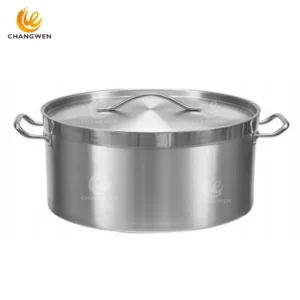
One of the most common applications is with commercial stock pots or soup pots. These large, heavy-duty pots are ideal for preparing soups, stews, broths, and sauces in bulk. When used on a propane burner, commercial stock pots heat evenly and efficiently, allowing liquids to reach a steady boil or simmer quickly. Their stainless steel or heavy-gauge construction prevents warping under the high heat produced by propane burners, making them a staple in both professional kitchens and outdoor cooking setups.
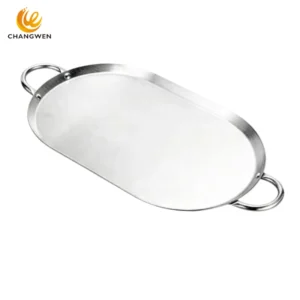
For flat cooking surfaces, the stainless steel comal is an excellent match. Comals are typically used for making tortillas, searing vegetables, or toasting spices. When placed on a propane burner, stainless steel comals heat rapidly and uniformly, providing consistent browning and reducing the risk of hot spots. This makes them particularly suitable for outdoor events, catering, and professional kitchens where even heat is crucial.
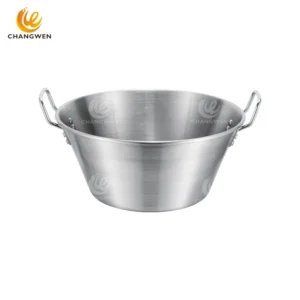
Another ideal cookware option is the stainless steel cazo, a deep, round pot used for sauces, soups, and boiling tasks. Propane burners provide the high heat output necessary to cook efficiently in a cazo, whether for candy-making, stock preparation, or high-volume liquid cooking. The durability of stainless steel ensures the cazo maintains its shape under strong flames, while offering excellent heat transfer.
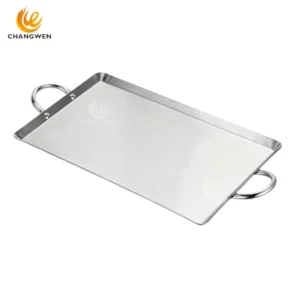
For grilling or griddling tasks, a commercial square griddle pairs perfectly with propane burners. These large, flat surfaces allow multiple items to be cooked simultaneously, making them ideal for breakfast foods, meats, and vegetables. Stainless steel griddles distribute heat evenly across the surface and have raised edges to contain juices, enhancing both safety and efficiency. They are commonly used in outdoor catering, restaurants, and backyard cooking.
When selecting cookware for propane burners, consider factors such as material, weight, and size. Stainless steel is preferred for its durability, even heat distribution, and resistance to corrosion. Heavy cookware ensures stability and consistent heating, while properly sized pieces prevent tipping and maximize burner efficiency.
What Applications Are Propane Gas Burners Best Suited For?
Propane gas burners are versatile and powerful heat sources designed to perform in a wide range of scenarios. Their ability to deliver consistent, adjustable heat with efficient combustion makes them ideal for outdoor cooking, commercial food preparation, recreational use, industrial tasks, and emergency applications. Propane burners stand out for their combination of high energy output, fuel efficiency, and portability, ensuring they meet the needs of both professional and casual users alike.
Outdoor Cooking and Recreational Events
One of the most common uses for propane gas burners is outdoor cooking.
Commercial Kitche
In commercial kitchen environments, propane gas burners are widely used where high heat output is necessary for daily high-volume cooking. Restaurants, hotels, and catering services rely on them to prepare soups, stocks, sauces, and large batches of food. Their adjustable flame makes them well suited to professional culinary applications where temperature precision is critical. Many commercial propane burners are engineered for heavy use and constructed with durable materials that withstand long hours of operation.
Brewing, Canning, and High-Heat Tasks
Propane burners are also popular in food processing tasks such as brewing, canning, and preserving. These applications require sustained high temperatures and predictable control, which propane combustion delivers efficiently. This makes them suitable for hobbyists and professionals who need reliable heat for processes that are too intensive for standard indoor appliances.
Industrial and Light Manufacturing
Beyond cooking, propane gas burners find use in industrial and light manufactur. Their capacity to generate high heat quickly makes them useful for tasks such as metalworking, heat treating, and melting applications. Although heavy industrial burners are often more specialized, portable propane burners serve well in workshop setups where flexibility and mobility are beneficial.
Emergency Preparedness
Another important use case is emergency preparedness. In situations where electric
Camping and Portable Use
For adventurers and outdoor lovers, camp stove propane burners—including single-burner and multi-burner configurations—offer reliability and compact portability. These units are designed to be lightweight and easy to set up, making them ideal for remote cooking while hiking, fishing, or exploring nature. Their efficient use of fuel and straightforward operation make them accessible to both novice and experienced users.
Propane Burner Safety and Usage Precautions
Propane burners are powerful and efficient tools widely used in outdoor cooking, commercial kitchens, camping, and industrial applications. While they offer strong heat output and convenience, proper use is essential to ensure safety and long-term performance. Understanding and following key usage precautions can help prevent accidents, equipment damage, and gas-related hazards.
First, always use a propane burner in a well-ventilated area. Propane combustion consumes oxygen and produces carbon monoxide. For this reason, high-output propane burners should never be used indoors or in enclosed spaces unless they are specifically designed and approved for indoor use with proper ventilation systems. Outdoor use is recommended for most high-pressure burners.
Before operating the burner, inspect all connections carefully. Check hoses, regulators, and fittings for cracks, wear, or leaks. Ensure that all connectors are securely tightened and compatible with the propane cylinder being used. A simple leak test using soapy water can help detect gas leaks—bubbles indicate a leak that must be fixed before ignition.
Always use the correct regulator and pressure setting. High-pressure burners require high-pressure regulators, while low-pressure burners must be paired with low-pressure regulators. Using the wrong regulator can result in unstable flames, poor performance, or dangerous flare-ups. Never attempt to modify regulators or bypass safety components.
When lighting the propane burner, follow the proper ignition procedure. Open the gas valve slowly and ignite the burner immediately using a long lighter or built-in ignition system. Avoid opening the gas fully before ignition, as accumulated gas can cause sudden flare-ups. Once lit, adjust the flame gradually to the desired heat level.
Position the burner on a stable, level, and non-flammable surface. Keep it away from combustible materials such as paper, wood, fabric, or plastic. Large pots or cookware should be centered over the burner to prevent tipping and uneven heating.
During operation, never leave the propane burner unattended. Monitor the flame regularly to ensure it remains steady and blue, which indicates efficient combustion. A yellow or flickering flame may signal improper air-to-gas mixing or a blocked burner.
After use, always turn off the propane supply at the cylinder first, then shut off the burner valve. Allow the burner to cool completely before moving or storing it. Store propane cylinders upright in a cool, well-ventilated area away from direct sunlight and heat sources.
Common Issues and Troubleshooting for Propane Burners
Propane burners are reliable and versatile tools used in outdoor cooking, commercial kitchens, camping, and industrial applications. However, like any gas-powered equipment, they may encounter occasional issues that affect performance or safety. Understanding common problems and how to troubleshoot them can help maintain efficiency and extend the lifespan of your propane burner.
1. Burner Won’t Ignite
One of the most frequent issues is failure to ignite. This can be caused by an empty propane cylinder, blocked burner ports, or a faulty ignition system. To troubleshoot:
Check that the propane cylinder contains fuel and is properly connected.
Inspect the burner ports for debris, grease, or spider webs and clean with a soft brush.
Ensure the ignition system (piezo or electric spark) is functioning; replace batteries or the ignition module if necessary.
2. Uneven or Yellow Flame
A healthy propane burner should produce a steady blue flame. A yellow or uneven flame may indicate improper air-to-gas mixture, blocked ports, or regulator issues. To fix this:
Adjust the air shutter on the burner to allow more air for proper combustion.
Clean the burner ports to remove any obstruction.
Check the regulator and hoses for leaks or damage, replacing them if needed.
3. Gas Leaks
Gas leaks are dangerous and can cause fires or explosions. Common signs include a hissing sound near connections or the smell of propane. To troubleshoot safely:
Turn off the gas supply immediately.
Inspect all hoses, fittings, and valves for cracks or loose connections.
Apply a soap-and-water solution to detect leaks; bubbles indicate escaping gas.
Replace faulty components and tighten all fittings before reuse.
4. Low Heat Output
If the burner flame is weak, the issue may be low propane pressure, clogged burner ports, or an undersized cylinder for the application. To address this:
Verify that the regulator is suitable for the burner’s pressure requirements.
Check that the cylinder valve is fully open and not obstructed.
Clean or replace clogged burner ports as necessary.
5. Flare-Ups or Flashbacks
Flare-ups occur when gas ignites outside the intended flame path. Causes include a loose connection, excessive gas pressure, or damaged hoses. To prevent this:
Always use the correct regulator and ensure hoses are intact.
Maintain proper ventilation and keep the burner stable on a flat surface.
Avoid over-opening the gas valve during ignition.