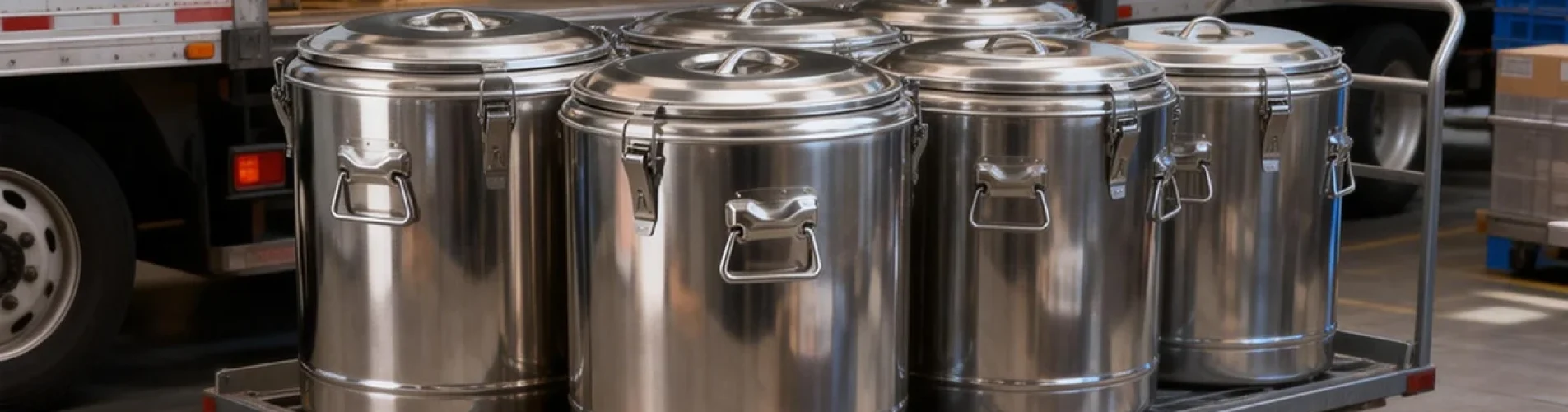
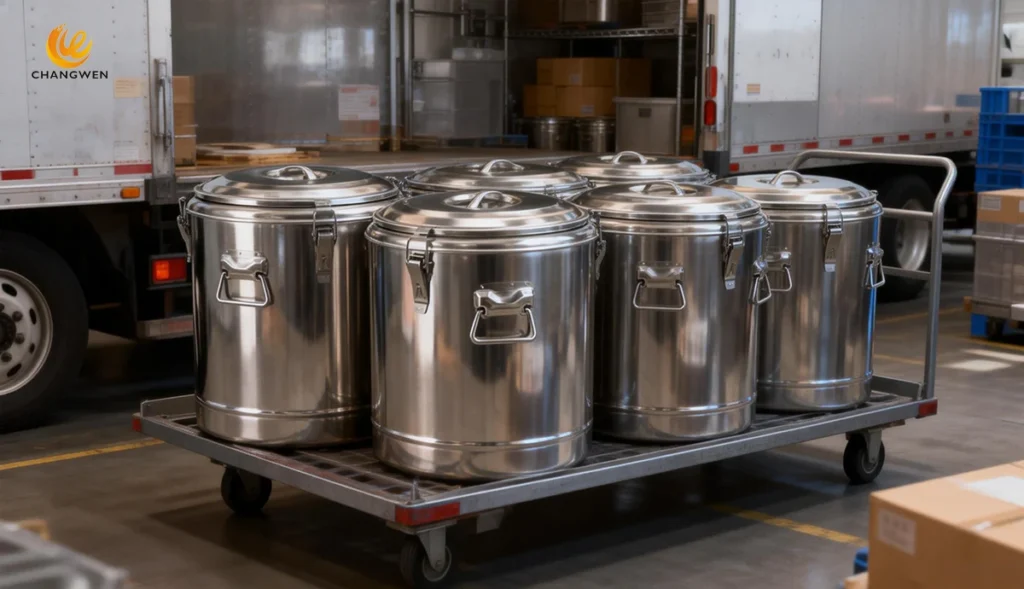
A stainless steel insulated barrel represents essential equipment for any operation requiring temperature-controlled food and beverage service. These specialized containers use advanced insulation technology to maintain hot foods hot and cold items cold for extended periods without electricity or external heating sources.
The fundamental design features double-wall construction: an outer stainless steel shell, thick insulation layer (typically polyurethane foam), and inner food-grade stainless steel liner. This tri-layer structure creates a thermal barrier that dramatically slows heat transfer, preserving contents at desired temperatures for hours—sometimes exceeding 24 hours for well-designed models.
Unlike simple storage containers, a quality stainless steel insulation barrel actively prevents temperature loss through sophisticated engineering. The vacuum or foam-filled space between walls eliminates conductive heat transfer, while the sealed lid system minimizes convective heat loss. This passive temperature control eliminates energy costs while maintaining food safety temperatures throughout service periods.
Commercial kitchens, catering operations, buffet services, hotels, cafeterias, and event venues rely on these barrels to transport prepared foods to remote locations, maintain buffet temperatures during extended service, or simply reduce the frequency of reheating cycles. The technology proves equally valuable for cold applications—keeping beverages chilled at outdoor events or maintaining cold desserts at proper serving temperatures.
Key Takeaways
Essential Points for Choosing the Perfect Stainless Steel Insulated Barrel:
- Double-Wall Construction: Premium stainless steel insulation barrel features double-wall structure with polyurethane foam for 6-24 hour temperature retention
- Capacity Selection: Choose from compact 8L stainless steel insulated barrel to large-capacity 100L models based on your serving needs
- Material Quality: Food-grade 304 stainless steel barrel construction ensures safety, durability, and resistance to corrosion in commercial environments
- Practical Features: Look for leak-proof lids, reinforced handles, built-in faucets, and stackable designs for maximum operational efficiency
- Multi-Purpose Versatility: Quality stainless steel barrel models serve both hot and cold applications—from coffee and soup to cold beverages and desserts
Whether you’re outfitting a restaurant, catering operation, coffee shop, or looking for reliable food service equipment, understanding stainless steel insulated barrel features helps you make the right investment for your needs.
Why Choose Stainless Steel for Insulated Barrels?
Material selection fundamentally impacts performance, safety, and longevity. Stainless steel construction offers compelling advantages over alternative materials for insulated barrel applications.
Superior Durability and Longevity
A commercial-grade stainless steel barrel withstands the demanding conditions of professional food service far better than plastic or aluminum alternatives. The material resists denting, cracking, and warping even under intensive daily use. Quality stainless steel construction maintains structural integrity through thousands of heating, cooling, and transport cycles.
The robust nature of stainless steel proves particularly valuable in busy commercial environments where equipment experiences frequent handling, occasional impacts, and constant cleaning. Unlike plastic that becomes brittle with age or aluminum that dents easily, stainless steel maintains its protective properties and appearance through decades of service.
Heavy-gauge stainless steel construction (typically 0.6-1.0mm thickness in quality models) provides the structural strength necessary for large-capacity barrels. This substantial build quality ensures the barrel maintains its insulation effectiveness even after years of commercial use, making it a sound long-term investment.
Food-Safe and Hygienic
Food safety represents paramount concern in any food service operation. Premium stainless steel insulated barrel models use food-grade 304 stainless steel that meets strict health and safety standards. This austenitic steel grade contains no harmful substances that could leach into food or beverages.
The non-porous surface of stainless steel resists bacterial growth far more effectively than porous materials like plastic. This characteristic simplifies sanitation and helps maintain stringent food safety standards required in commercial operations. Regular cleaning with standard commercial detergents effectively sanitizes stainless steel surfaces.
Stainless steel’s chemical stability ensures it won’t react with acidic foods like tomato-based soups, citrus beverages, or dairy products. You can safely store any food or beverage without worrying about metallic flavors, chemical reactions, or material degradation affecting your products’ quality or safety.
Excellent Insulation Performance
The effectiveness of a stainless steel insulation barrel depends heavily on construction quality. Premium double-wall designs with dense polyurethane foam insulation provide exceptional thermal retention:
Hot Food Retention: Well-constructed barrels maintain foods above 140°F (60°C) for 6-12 hours, with premium models extending this to 24+ hours. This performance keeps soups, stews, rice, and other prepared foods in the food safety zone throughout extended service periods.
Cold Beverage Preservation: The same insulation technology that retains heat also prevents heat absorption. Cold beverages, smoothies, and chilled desserts remain properly chilled for 8-24 hours depending on ambient temperature and barrel quality.
Energy Efficiency: By maintaining proper temperatures passively, insulated barrels eliminate continuous heating or refrigeration costs. For operations serving buffets, running catering events, or managing multiple service locations, this passive temperature control delivers significant energy savings.
Easy Maintenance and Cleaning
Commercial food service equipment must withstand rigorous cleaning protocols. Stainless steel’s smooth, non-porous surface simplifies daily sanitation:
The mirror-polished interior of quality stainless steel barrels releases food residues easily without harsh scrubbing. Most models feature wide openings allowing easy access for thorough hand washing or automated commercial dishwashing systems.
Unlike insulated containers with fabric exteriors or plastic components that stain and retain odors, stainless steel maintains its appearance and hygiene through countless cleaning cycles. The material won’t absorb colors from strongly-pigmented foods like curry or tomato sauce, nor will it retain odors from fish, garlic, or other aromatic ingredients.
Proper cleaning requires only hot water, commercial detergent, and soft cleaning tools. The durable construction tolerates the aggressive cleaning chemicals and high-temperature sanitizing cycles required in commercial food service operations.
Types and Capacity Options
Selecting appropriate capacity ensures your stainless steel insulated barrel meets operational demands efficiently.
Small Capacity Barrels (8-15 Liters)
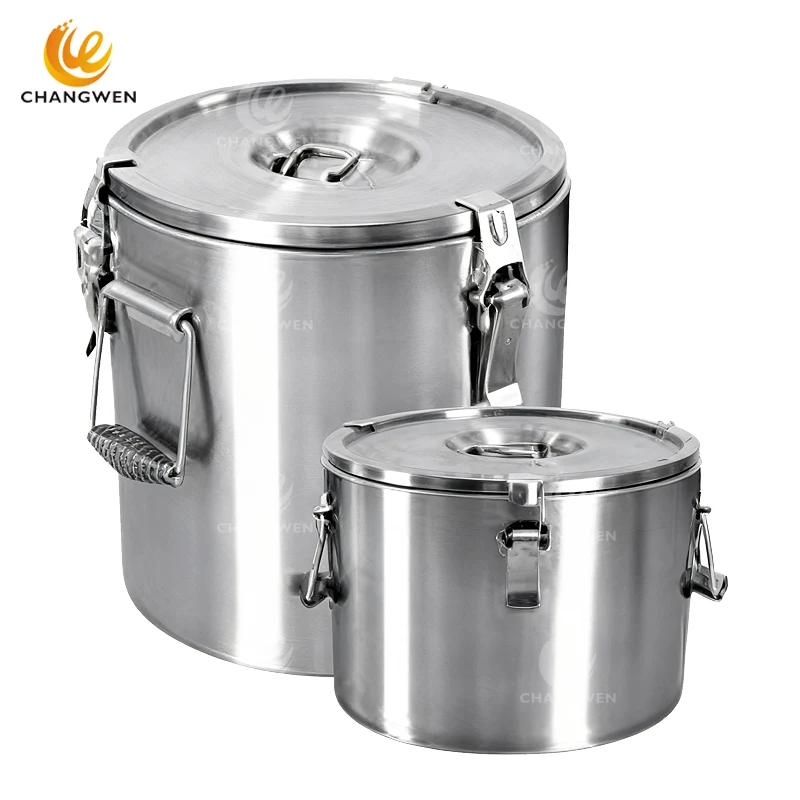
The stainless steel insulated barrel 8L and similar compact models serve specific applications where portability and manageable size matter most:
Ideal Applications:
- Small cafés serving limited soup or beverage quantities
- Food trucks with limited storage space
- Individual caterers handling intimate events
- Office break rooms or small business cafeterias
- Home use for parties and family gatherings
These compact barrels typically measure 23-29cm in diameter and 25-35cm in height, fitting easily on countertops or in vehicle trunks. Their lighter weight (usually 2-4kg empty) simplifies transport and handling without sacrificing insulation performance.
Despite smaller capacity, quality 8-15L barrels maintain comparable insulation performance to larger models, keeping contents at proper temperatures for 6-12 hours. The reduced thermal mass means less initial heating or cooling required, potentially offering faster temperature recovery between batches.
Medium Capacity Barrels (20-40 Liters)
This size range represents the sweet spot for many commercial applications, balancing capacity with manageability:
Common Uses:
- Restaurant buffet service for soups, rice, or hot beverages
- Moderate-scale catering events (50-150 guests)
- Hotel breakfast service maintaining oatmeal, congee, or hot water
- Corporate cafeteria lunch service
- Construction site or event mobile food service
A 30-liter stainless steel barrel typically serves 60-80 portions of soup or maintains beverages for 100+ guests depending on consumption patterns. This capacity suits most single-dish buffet applications while remaining light enough (approximately 5-8kg empty) for one-person handling when full.
Medium-capacity barrels often include practical features like built-in faucets for beverage service, stackable designs for efficient storage, and comfortable side handles facilitating transport. The optimal size-to-insulation ratio provides excellent temperature retention often exceeding 12 hours.
Large Capacity Barrels (50-100+ Liters)
High-volume operations require substantial capacity to minimize refilling frequency and maximize efficiency:
Best For:
- Large-scale catering operations and events
- Institutional cafeterias serving hundreds daily
- Hotels with extensive buffet services
- Construction camps feeding large crews
- Festival and fair food service operations
An 80-liter stainless steel insulation barrel can serve 150-200+ portions, dramatically reducing the need for mid-service refilling. These substantial units typically feature reinforced construction with heavier-gauge stainless steel and enhanced handle systems supporting the increased weight when full.
Large barrels often incorporate additional features supporting high-volume use: multiple faucet options for faster dispensing, wider openings simplifying filling and cleaning, and heavy-duty latching systems maintaining secure seals during transport. The increased thermal mass actually improves insulation performance, with premium large-capacity models maintaining temperatures for 18-24+ hours.
Specialty Configurations
Beyond standard cylindrical designs, specialty configurations address specific operational needs:
Rectangular Insulated Barrels: Space-efficient designs that nest together more effectively than round barrels, maximizing transport and storage efficiency.
Multi-Compartment Models: Divided interiors allowing different items to be kept in a single barrel—useful for maintaining multiple soup varieties or keeping accompaniments separate from main dishes.
Barrels with Integrated Dispensing Systems: Built-in pumps or pour spouts optimized for specific beverages like coffee, tea, or juices.
Essential Features and Construction Details
Understanding key features helps you identify quality stainless steel barrel construction and select models matching your operational requirements.
Double-Wall Insulation Technology
The insulation system forms the heart of performance. Premium stainless steel insulated barrels employ sophisticated multi-layer construction:
Outer Shell: Heavy-gauge 304 stainless steel (typically 0.6-0.8mm) provides structural integrity, protection from impacts, and attractive appearance suitable for front-of-house service.
Insulation Layer: High-density polyurethane (PU) foam fills the cavity between walls, creating exceptional thermal barrier. Quality barrels use uniform foam distribution without gaps or voids that would compromise insulation effectiveness.
Inner Liner: Food-grade 304 stainless steel (usually 0.4-0.6mm) creates the food-contact surface. The mirror-polished finish facilitates cleaning while resisting staining and bacterial adhesion.
Vacuum Insulation: Premium models may incorporate vacuum spaces instead of or in addition to foam insulation, creating superior thermal performance similar to high-end vacuum flasks.
The effectiveness of insulation directly correlates with thickness—barrels with 30-50mm total wall thickness generally outperform those with 15-20mm insulation. However, increased insulation adds weight and bulk, requiring balance between performance and practicality.
Lid Design and Sealing Systems
Temperature retention depends heavily on lid design preventing heat escape:
Seal Quality: Premium lids incorporate food-grade silicone gaskets creating airtight seals that trap heat and prevent leakage. The gasket should compress evenly around the entire lid circumference, maintaining effective seal even after thousands of opening/closing cycles.
Latching Mechanisms: Reinforced stainless steel latches (typically 2-4 depending on barrel size) lock the lid securely during transport. Spring-loaded or cam-action latches provide reliable securing while allowing easy one-handed operation. Look for latches that maintain tension over time without loosening.
Vent Systems: Quality lids include pressure release vents preventing dangerous pressure buildup from steam generation in hot applications. Adjustable vents allow customization based on contents—fully closed for maximum heat retention or partially open for steam release.
Hanging Features: Many commercial barrels include lid-hanging mechanisms (hooks, clips, or built-in stands) allowing the lid to be secured out of the way during service, preventing contamination from placing lids on work surfaces.
Insulated Lid Construction: The best barrels extend double-wall insulation into the lid itself rather than using single-layer construction. This detail significantly improves overall thermal performance.
Handle and Transport Features
Ergonomic handling features prove essential for safe, efficient barrel operation:
Side Handles: Dual hollow stainless steel handles on opposite sides allow two-handed lifting and carrying. Hollow handle construction dissipates heat quickly, staying cool to touch even when barrel contents are hot. Handles should be permanently welded or riveted—not bolted attachments that might loosen over time.
Helper Grips: Larger barrels (40L+) often include additional smaller handles or grip points at the base, facilitating tilting for pouring or positioning for faucet operation.
Stackable Design: Flat-top construction with recessed lid allows safe stacking of multiple barrels, maximizing transport and storage efficiency. Look for models with anti-slip surfaces or positioning guides ensuring stable stacking.
Wheeled Bases: Some large-capacity models include optional wheeled bases or carts, transforming heavy barrels into easily movable serving stations.
Dispensing and Faucet Options
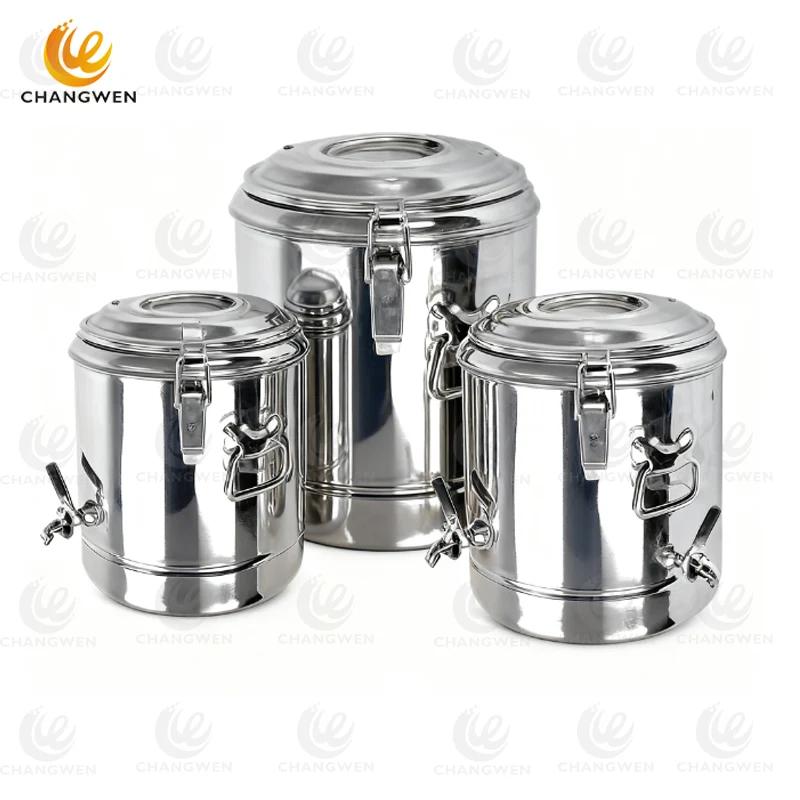
Built-in dispensing systems streamline service and reduce waste:
Faucet Quality: Premium stainless steel or food-grade plastic faucets should operate smoothly through hundreds of daily uses without leaking or dripping. Ball-valve designs typically provide more reliable performance than simple gate valves.
Positioning: Faucets mounted 5-10cm above the barrel bottom allow complete drainage while preventing sediment from dispensing. Ensure faucet height accommodates standard serving cups or bowls.
Flow Control: Adjustable flow rate faucets prevent splashing with hot liquids while allowing faster dispensing when needed.
Removable Design: Faucets that detach completely simplify thorough cleaning and allow replacement if components wear over time.
Drip Tray Integration: Some models include built-in or attachable drip trays catching spillage, maintaining cleaner service areas.
Base Construction and Stability
A secure base prevents accidents and spills:
Anti-Slip Features: Reinforced rubber or silicone rings bonded to the base bottom provide excellent grip on smooth surfaces, preventing sliding during service or transport.
Elevated Design: Slightly raised bases (typically 2-5cm feet or stands) improve stability on uneven surfaces while facilitating air circulation around the barrel bottom.
Drainage Considerations: Design should prevent water pooling beneath the barrel during cleaning or in high-humidity environments.
Material Standards and Quality Indicators
Not all stainless steel offers identical performance—understanding grades and construction standards identifies quality equipment.
Stainless Steel Grades Explained
304 Stainless Steel: The industry standard for food-contact surfaces, containing 18% chromium and 8% nickel (often marked as 18/8). This austenitic grade offers excellent corrosion resistance, doesn’t react with foods, and maintains hygiene standards. All interior surfaces that contact food should use 304 grade.
201 Stainless Steel: A lower-cost alternative containing manganese instead of some nickel content. While offering decent corrosion resistance in dry environments, 201-grade steel proves less resistant to staining and rust in demanding commercial applications. Some budget barrels use 201 steel for exterior shells while maintaining 304 interiors.
430 Stainless Steel: A ferritic grade with good corrosion resistance but inferior to 304 in food service applications. Rarely used in quality insulated barrels.
Premium manufacturers clearly specify steel grades for different barrel components. Verify that at minimum the interior liner uses food-grade 304 stainless steel, even if exterior shells use less expensive grades for cost savings.
Gauge Thickness and Construction Quality
Metal thickness directly impacts durability and thermal performance:
Heavy-Gauge Construction: Quality commercial barrels use 0.6-1.0mm stainless steel for both inner and outer walls. This substantial construction resists denting, maintains shape under the stress of heating/cooling cycles, and provides structural integrity for years.
Lightweight Construction: Budget models may use 0.3-0.4mm steel, reducing costs but compromising durability. Thin-wall barrels dent more easily, may develop leaks at welds or seams, and generally offer shorter service life.
Weld Quality: Examine weld seams carefully—quality barrels feature smooth, consistent welds without gaps, rough spots, or visible defects. Poor welding creates potential leak points and weak structural areas.
Polish Quality: Mirror-polished interiors indicate quality manufacturing and simplify cleaning. Brushed or matte finishes may hide surface imperfections and prove harder to maintain.
Insulation Material Quality
The insulation layer determines thermal performance:
Polyurethane (PU) Foam: High-density rigid PU foam provides excellent insulation with good balance of performance, weight, and cost. Quality barrels use foam density of 30-50 kg/m³—denser foam insulates better but adds weight.
Polystyrene Foam: Less expensive but inferior thermal performance compared to PU foam. Budget barrels may use this material for cost savings.
Vacuum Insulation: Premium barrels may incorporate vacuum chambers similar to thermos technology, providing superior insulation in thinner profiles. Significantly more expensive but offers best temperature retention.
Test insulation quality by checking barrel weight—substantially heavier models typically indicate denser, more effective insulation materials.
Applications and Use Cases
Understanding optimal applications helps you select the right stainless steel insulated barrel configuration for your specific needs.
Restaurant and Food Service
Buffet Service: Maintain soups, rice, congee, curries, and other hot dishes at food-safe temperatures throughout extended lunch or dinner service periods. A 30-40L barrel typically serves buffet stations accommodating 80-120 guests.
Back-of-House Holding: Keep prepared foods at proper temperatures between preparation and plating, reducing waste from overcooking and maintaining optimal serving quality.
Beverage Service: Hot coffee, tea, hot chocolate, or mulled cider stations for breakfast service or special events. Cold applications include iced tea, lemonade, or specialty cold-brew coffee service.
Catering and Events
Off-Site Event Service: Transport hot foods to remote venues without electricity, maintaining food safety temperatures during transit and throughout event service.
Multi-Location Operations: Central kitchens can prepare foods once and distribute to multiple serving locations, with insulated barrels maintaining quality during transport.
Outdoor Events: Weddings, corporate gatherings, festivals, and sporting events where traditional heating equipment isn’t practical or available.
Institutional Food Service
Schools and Universities: Cafeteria service maintaining large quantities of soup, hot beverages, or prepared entrees. Stackable barrels maximize limited storage space in institutional kitchens.
Healthcare Facilities: Patient meal service requiring precise temperature control for food safety and quality. Insulated barrels transport meals from central kitchens to ward serving areas.
Corporate Cafeterias: Daily lunch service for employee feeding programs, maintaining consistent temperatures without continuous energy consumption.
Beverage Industry
Coffee Shops: Batch-brewed coffee service during peak periods, maintaining optimal serving temperature for hours without continuous heating that degrades flavor.
Milk Tea and Bubble Tea: Prepared tea bases, tapioca pearls in warm sugar syrup, or hot milk storage maintaining proper temperatures for quick drink assembly.
Juice Bars: Cold-pressed juices, smoothie bases, or blended beverages requiring sustained refrigerated temperatures without ice dilution.
Construction and Industrial
Remote Work Sites: Hot meals and beverages for construction crews, mining operations, or other remote work locations lacking traditional food service infrastructure.
Emergency Response: Disaster relief operations, field hospitals, or emergency shelters requiring reliable food service without dependence on unstable electrical systems.
Buying Guide: Making the Right Selection
Strategic purchasing ensures you acquire equipment perfectly suited to your operational requirements and budget.
Assessing Your Capacity Needs
Determine appropriate barrel size by analyzing:
Service Volume: Calculate typical serving quantities—a 30L barrel provides approximately 60 portions of soup (500ml each). Match capacity to your peak service demands, adding 20-30% buffer for growth or unusually busy periods.
Refilling Frequency: Larger barrels reduce mid-service refilling but require more initial preparation and create larger losses if products don’t sell. Balance convenience against potential waste.
Storage and Transport: Ensure your selected capacity fits available storage spaces, vehicle dimensions for catering transport, and physical capabilities of staff who’ll handle the equipment.
Multiple Smaller vs. One Large: Several smaller barrels often provide more flexibility than single large units—allowing multiple menu items, easier handling, and partial reserves during slow periods.
Evaluating Build Quality
Inspect these quality indicators before purchasing:
Steel Grade Verification: Confirm interior surfaces use food-grade 304 stainless steel. Reputable manufacturers provide material certifications or clearly mark steel grades on products.
Weld Inspection: Examine all weld seams for consistency, smoothness, and complete penetration. Poor welds indicate substandard manufacturing and potential future leaks.
Lid Seal Test: Check that lids seal evenly around the entire circumference with consistent gasket compression. Test latches for smooth operation and secure locking.
Faucet Quality: If present, operate faucets through several cycles checking for smooth action, complete shutoff without dripping, and sturdy mounting.
Weight Assessment: Compare similar-capacity models—heavier units typically indicate thicker steel, denser insulation, and generally higher quality construction.
Feature Prioritization
Not all features matter equally for every application. Prioritize based on your needs:
Essential Features:
- Appropriate capacity for typical service volumes
- Food-grade 304 stainless steel interior
- Reliable sealing system preventing leaks
- Adequate insulation for required holding times
- Durable handles supporting safe transport
Highly Desirable Features:
- Built-in faucet for beverage service
- Stackable design for efficient storage
- Hanging lid mechanism for sanitary service
- Anti-slip base for stable positioning
- Pressure release vent for safety
Nice-to-Have Features:
- Premium vacuum insulation for extended holding
- Multiple color options for product differentiation
- Measurement markings on interior
- Accessories like ladles or serving utensils
- Wheeled base for large-capacity models
Price Considerations and Value Analysis
Stainless steel insulated barrel prices vary significantly based on capacity, construction quality, and features:
Budget Range ($50-$150): Entry-level barrels suitable for occasional use or home applications. Typically feature single-layer insulation, basic latches, and may use 201 stainless steel. Adequate for testing or light-duty needs.
Mid-Range ($150-$400): Quality commercial-grade barrels with double-wall construction, 304 stainless steel interiors, reliable latching systems, and good insulation performance. This range offers best value for most commercial operations.
Premium Range ($400-$1,000+): Professional-grade barrels with superior insulation (often vacuum-insulated), heavy-gauge construction, advanced features like built-in heating elements, and comprehensive warranties. Justified for high-volume operations where performance and longevity matter most.
Calculate total cost of ownership rather than focusing solely on purchase price. A $300 barrel lasting 10+ years with superior insulation (reducing energy costs) proves more economical than a $100 barrel requiring replacement every 2-3 years while delivering inferior thermal performance.
Warranty and Support Considerations
Quality manufacturers stand behind their products:
Warranty Length: Look for minimum 1-2 year warranties on commercial-grade barrels. Premium manufacturers may offer extended warranties or even lifetime coverage on certain components.
Warranty Coverage: Verify what’s covered—manufacturing defects should definitely be included, while normal wear items like gaskets may have shorter coverage periods.
Parts Availability: Ensure replacement parts (gaskets, faucets, latches) remain available for purchase. Equipment requiring complete replacement when minor components fail proves costly long-term.
Customer Service: Research manufacturer responsiveness and support quality through reviews and industry reputation. Equipment is only as good as the support backing it when issues arise.
Care, Maintenance, and Best Practices
Proper care extends equipment life while maintaining food safety and optimal performance.
Daily Cleaning and Sanitation
Establish consistent cleaning protocols:
Immediate Post-Use Cleaning: Empty barrels promptly after service. Rinse with hot water to remove loose residues before they dry and bond to surfaces.
Thorough Washing: Use hot water (60-70°C), commercial dish detergent, and soft cloths or sponges for interior cleaning. Long-handled brushes help reach barrel bottoms in deep models.
Critical Areas: Pay special attention to lid gaskets, faucet components, and the junction between barrel walls and base—food particles accumulating in these areas create hygiene issues and compromise seal quality.
Sanitizing: After washing, sanitize with approved food-service sanitizers or hot water (82°C+) final rinse. Follow your local health department requirements for commercial food equipment sanitation.
Complete Drying: Dry all components thoroughly before storage or reassembly. Moisture trapped in insulation layers compromises thermal performance and may promote bacterial growth.
Never Submerge: Despite waterproof appearance, fully submerging insulated barrels in water can allow moisture penetration into insulation layers through vent holes or small seal gaps, permanently degrading insulation effectiveness.
Periodic Deep Cleaning
Beyond daily washing, schedule regular deep cleaning:
Gasket Removal and Cleaning: Remove lid gaskets monthly for separate washing, checking for cracks, permanent deformation, or degradation. Replace annually or when damage appears.
Faucet Disassembly: Quarterly, completely disassemble faucet components for thorough cleaning, removing any buildup in valve mechanisms that might affect function.
Descaling: Hard water areas require periodic descaling using food-safe descaling solutions or vinegar, removing mineral deposits that accumulate around faucets and in barrel corners.
Exterior Polishing: Maintain stainless steel appearance by occasional polishing with stainless steel cleaner, removing fingerprints, water spots, and minor surface oxidation.
Storage Best Practices
Proper storage prevents damage and odor absorption:
Inverted Lid Storage: Store barrels with lids inverted or propped partially open, allowing air circulation preventing musty odors from developing in sealed containers.
Dry Environment: Keep in climate-controlled, dry storage areas. Moisture exposure can lead to exterior oxidation or compromise insulation in barrels with any seal breaches.
Avoid Stacking When Possible: While many barrels are stackable, long-term storage stacking can deform gaskets. If stacking is necessary, limit to 2-3 units high and rotate positions periodically.
Gasket Protection: Apply light food-grade lubricant to gaskets before long-term storage preventing dry rot and maintaining seal flexibility.
Troubleshooting Common Issues
Address problems promptly to maintain performance:
Temperature Retention Decline: If insulation performance degrades (contents cooling faster than when new), check for:
- Damaged or improperly seated lid gaskets
- Cracks or dents compromising wall integrity
- Moisture infiltration into insulation layer
- Faucet leaks allowing heat escape
Leaking: Water or contents leaking from barrel may indicate:
- Worn or damaged lid gasket requiring replacement
- Loose or damaged faucet seals
- Cracks in welds or barrel body (typically from impact damage)
- Improper latch adjustment or broken latch components
Odor Retention: Persistent odors despite cleaning suggest:
- Inadequate cleaning of gasket grooves or faucet components
- Food particles trapped in crevices
- Moisture trapped in insulation (if barrel was submerged)
Surface Staining: While stainless steel resists staining, acidic foods can cause discoloration. Address with:
- Baking soda paste applied to affected areas
- Commercial stainless steel cleaner
- Bar Keeper’s Friend or similar oxalic acid-based cleaners
Frequently Asked Questions
What size stainless steel insulated barrel do I need for my operation?
Size selection depends on your service volume and type. For reference:
- 8-15L: Serves 20-30 people (coffee shop, small catering)
- 20-30L: Serves 50-80 people (restaurant buffet, medium events)
- 40-60L: Serves 100-150 people (large catering, institutional service)
- 80-100L: Serves 200+ people (mass feeding, large events)
Consider your peak service periods and add 20% capacity buffer. Multiple smaller barrels often provide more flexibility than single large units, allowing different menu items and easier handling.
How long will a stainless steel insulation barrel keep food hot?
Temperature retention varies by barrel quality, contents, and ambient conditions. Typical performance:
- Basic models (thin insulation): 4-6 hours maintaining food safety temperatures (above 60°C/140°F)
- Quality double-wall barrels: 8-12 hours
- Premium vacuum-insulated models: 18-24+ hours
Actual performance depends on initial food temperature (pre-heat to 80-85°C for best results), how frequently you open the lid (each opening releases heat), fill level (fuller barrels retain temperature better), and ambient temperature (extreme cold reduces retention time).
Can I use the same barrel for both hot and cold foods?
Yes, stainless steel barrels work equally well for both hot and cold applications. The same insulation preventing heat loss also prevents heat absorption, keeping cold items chilled. Ensure thorough cleaning when switching between hot and cold uses, and allow the barrel to reach room temperature before filling with contents at extreme opposite temperature (prevents thermal shock to materials).
For operations regularly using both hot and cold applications, consider maintaining separate barrels or at minimum, clearly labeling them to prevent cross-contamination of flavors (hot curry barrel used for cold desserts might retain flavors despite cleaning).
Is 304 stainless steel really necessary, or will 201 grade work fine?
For commercial food service, 304 stainless steel is strongly recommended for all food-contact surfaces. While 201 stainless steel costs less, it offers inferior corrosion resistance, particularly with acidic foods, salt, or dairy products. Over time, 201 steel may develop surface pitting, rust spots, or discoloration affecting both appearance and hygiene.
Many quality barrels use 201 or even regular steel for the outer shell (which never contacts food) while maintaining 304 stainless interior liners—this provides good value by reducing costs where premium materials aren’t essential while ensuring food safety where it matters.
If purchasing for home use or very occasional commercial application, 201 grade might suffice. For regular commercial use, invest in 304 stainless steel interiors.
How do I prevent my insulated barrel from leaking during transport?
Preventing leaks during transport requires:
Proper Lid Sealing: Ensure the gasket seats completely and all latches engage fully before moving. Test the seal by gently tipping the barrel before transport—any drips indicate improper sealing.
Fill Level Management: Never fill beyond 80-85% capacity, leaving expansion space for contents and preventing overflow when the barrel is tilted during handling.
Secure Transport: Position barrels upright in vehicles, using non-slip mats or securing with straps preventing tipping during transit. Avoid placing barrels where they might slide or tip during acceleration, braking, or turns.
Gasket Maintenance: Inspect and replace lid gaskets showing cracks, permanent compression, or loss of flexibility. Even small gasket defects can cause leaks.
Faucet Verification: If your barrel includes a faucet, verify it’s completely closed and tightened before transport. Some operators place tape over faucet handles as additional security during transport.
Can I heat food directly in the stainless steel barrel?
Most stainless steel insulated barrels are designed for temperature maintenance, not active heating. The foam or vacuum insulation between walls makes direct heating dangerous—heat may damage insulation materials or create dangerous pressure buildup.
Always heat foods in separate cooking equipment before transferring to insulated barrels for holding. Some specialty models include built-in electric heating elements specifically designed for safe direct heating—verify this feature before attempting to heat contents.
For optimal temperature retention, pre-heat empty barrels by filling with hot water for 10-15 minutes before discarding water and adding hot food. This raises the barrel’s thermal mass, reducing the temperature drop when hot contents are added.
How do I clean and maintain the faucet on my insulated barrel?
Faucet maintenance is critical for hygiene and function:
Daily Cleaning: Run hot water through the faucet after each use, flushing food particles. Wipe external surfaces with sanitizing solution.
Weekly Detailed Cleaning: Disassemble the faucet according to manufacturer instructions (usually involves unscrewing the outer housing). Clean all components including rubber gaskets, valve mechanisms, and the barrel mounting area. Inspect for wear or damage.
Prevent Mineral Buildup: In hard water areas, periodically flush with vinegar solution (1 part white vinegar, 2 parts water) to dissolve mineral deposits that can affect valve operation.
Gasket Replacement: Replace faucet gaskets showing signs of wear, permanent compression, or cracks. Keep spare gaskets on hand for quick replacement when needed.
Proper Operation: Never force faucet valves—if resistance occurs, investigate the cause rather than applying excessive force that might damage components.
What’s the best way to transport multiple insulated barrels?
For transporting several barrels efficiently and safely:
Stackable Models: Use barrels designed for stacking, which feature flat tops and recessed lids. Limit stacks to 2-3 high during transport to maintain stability.
Rolling Carts: Invest in dedicated barrel transport carts with securing straps, particularly for large-capacity models (60L+). This reduces physical strain and enables one person to move multiple barrels.
Vehicle Setup: Create dedicated spaces in transport vehicles with non-slip surfaces, dividers preventing lateral movement, and securing points for straps. Position barrels where weight distributes evenly.
Temperature Consideration: In extreme weather, insulate the transport vehicle or use thermal blankets around barrels during extended transport (particularly for cold items in hot weather or vice versa).
Pre-Trip Check: Before departure, verify all lids are properly sealed and latched. Perform a gentle tip test on each barrel to ensure no leaks will occur during transport.
Conclusion: Investing in Quality Temperature Control
A quality stainless steel insulated barrel represents a strategic investment in operational efficiency, food safety, and service quality. Whether you need a compact stainless steel insulated barrel 8L for a small café or large-capacity 100L models for institutional feeding, understanding construction features, material quality, and proper usage ensures you select equipment perfectly suited to your needs.
The best stainless steel barrel combines food-grade 304 stainless steel construction, effective double-wall insulation, reliable sealing systems, and thoughtful features supporting your specific applications. While premium models command higher initial investment, their superior performance, extended lifespan, and lower operational costs deliver excellent long-term value.
Proper selection, use, and maintenance of your stainless steel insulation barrel protects your equipment investment while ensuring consistent service quality. From maintaining perfect coffee temperature during morning service to keeping soups at food-safe temperatures throughout extended buffet service, quality insulated barrels become indispensable partners in successful food service operations.
As you evaluate options, prioritize construction quality and features matching your operational demands over price alone. The right stainless steel insulated barrel serves reliably for years, maintaining food safety, reducing energy costs, and supporting the consistent quality that keeps customers satisfied and returning.